

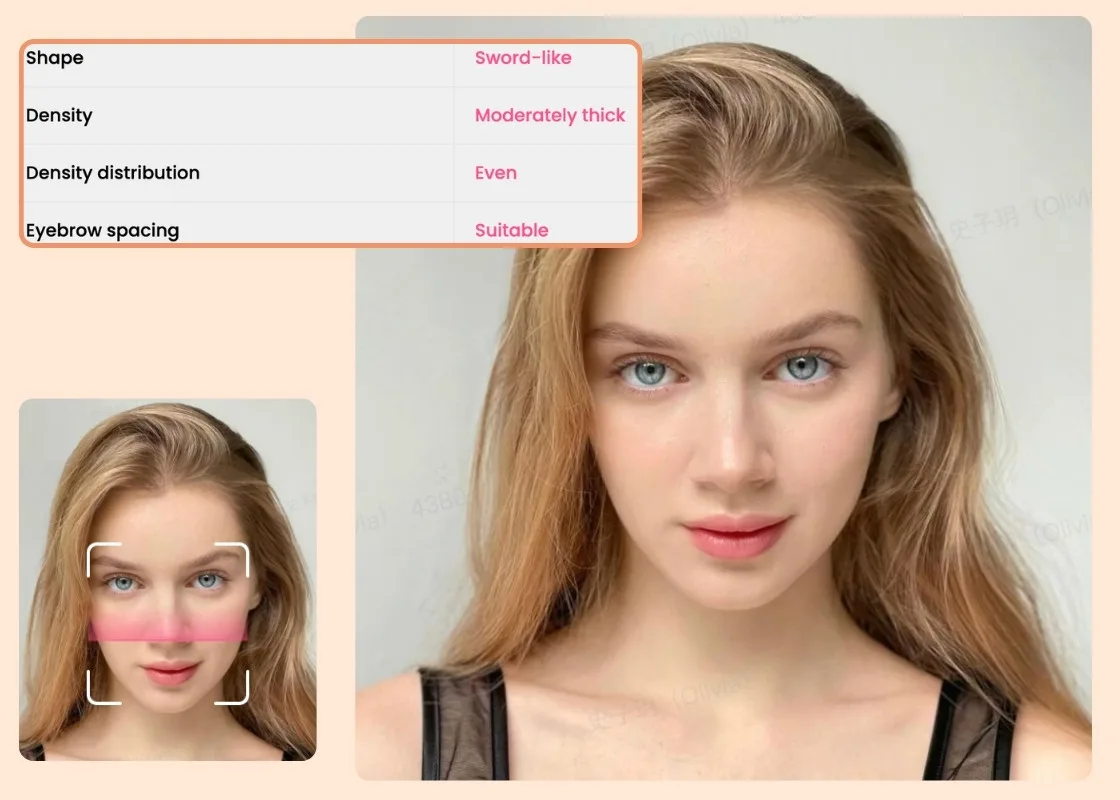
An AI attractiveness test analyzes facial photographs using computer vision to generate appearance-based assessments. Depending on the tool, results may include a beauty score, facial symmetry observations, and measurements of facial proportions. These tests have become popular on social media among people curious about their features, profile pictures, and personal style.
But can an algorithm measure beauty, and how much should you trust its results? This guide explains how these tests work, what influences their assessments, and how to use the information thoughtfully.
What Is an AI Attractiveness Test?
An AI attractiveness test examines a facial photograph and produces an appearance-based assessment. Some tools provide numerical scores, while others describe facial proportions, symmetry, or individual features.
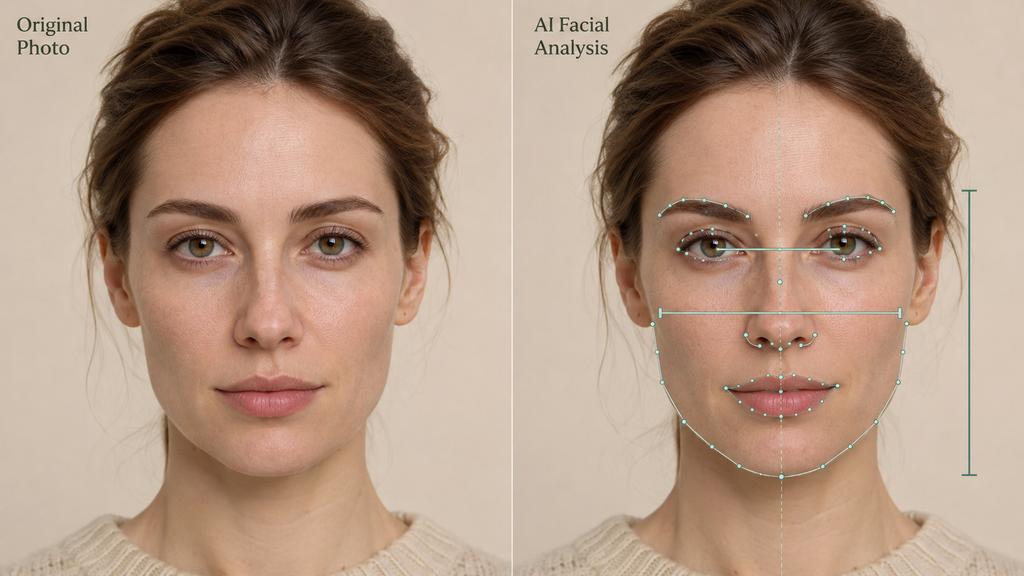
Common areas of analysis include facial symmetry, the relationship between facial length and width, jawline definition, eye positioning, and how visible features relate to one another.
Computer vision can estimate measurable characteristics, but these measurements do not establish objective attractiveness. Any beauty rating reflects the criteria and assumptions used by its system.
Why Are AI Attractiveness Tests Popular?
Exploring Facial Features
People use these tools to examine characteristics they may not usually notice, including eye spacing, facial proportions, and natural asymmetry. A structured assessment can encourage curiosity without requiring users to accept a score as a judgment.
For a broader look at facial characteristics, Facefy offers AI-powered appearance tools that help users explore visible features and proportions. Its emphasis on facial analysis makes it a useful starting point for understanding what a photograph reveals before deciding whether a numerical rating matters.
Choosing Better Profile Pictures
Lighting, camera angle, framing, and expression can change how someone looks in photographs. Comparing multiple photos through an AI attractiveness test can help improve online profiles by testing multiple photos to find the best profile picture for dating apps, stronger profile photos for professional platforms, or a better option for social media.
Experimenting With Personal Style
People also explore facial analysis when considering hairstyles, glasses, facial hair, or makeup. Understanding how these choices frame the face is more practical than pursuing a particular beauty score, especially for self-improvement. Some tools also give styling tips users can test in future photos or everyday presentations.
How Do AI Attractiveness Tests Work?
AI tools typically use computer vision and image-processing methods. Some systems use models trained on human-rated photographs to generate appearance scores, although methods vary.
Face Detection and Facial Landmarks
First, a system locates the face in a photograph. It may then use facial landmark detection to analyze features and identify key points around the eyes, nose, mouth, chin, and jawline. These points help estimate distances, angles, and symmetry.
Facial Proportion Measurements
Some tools compare facial thirds, eye spacing, face width relative to length, and nose width. Some symmetry calculators analyze facial balance using mathematical models to assess facial harmony and compare features with ideal proportions. Traditional frameworks sometimes reference the golden ratio, but no universal ratio determines beauty.
Appearance-Based Assessment
Depending on the model, the system may also consider visible skin texture, skin quality, skin clarity, and brightness-related cues. Some youthfulness analyzers assess skin texture and brightness as part of appearance-based analysis. Its final rating is an interpretation based on training data and design choices, not a scientific measurement of someone’s facial attractiveness.
Facefy’s existing AI face analysis provides another way to explore appearance-related features beyond a single score.
Key Factors That Influence AI Attractiveness Scores
Facial Symmetry
Symmetry concerns similarities between the two sides of the face. Small differences in eyebrow height, eye position, and jaw contours are common. Camera positioning and expressions can exaggerate these differences.
Facial Proportions
Some assessments examine relationships between the forehead, midface, lower face, and overall facial width. These measurements can describe structure without establishing a universally ideal face.
Face Shape and Jawline
Oval, round, square, heart, diamond, and oblong are common face shape categories. Many people combine characteristics of several shapes. Lighting, facial hair, and head position can also affect jawline appearance.
Eye Shape and Canthal Tilt
Eye spacing, eyelid shape, and canthal tilt may be included. Canthal tilt describes the angle between the inner and outer eye corners. Positive, neutral, and negative tilts are natural variations.
Skin Appearance
Lighting and image resolution influence the visibility of pores, texture, and pigmentation. A different score may reflect photographic conditions rather than any change in your skin.
How to Take an AI Attractiveness Test With Facefy
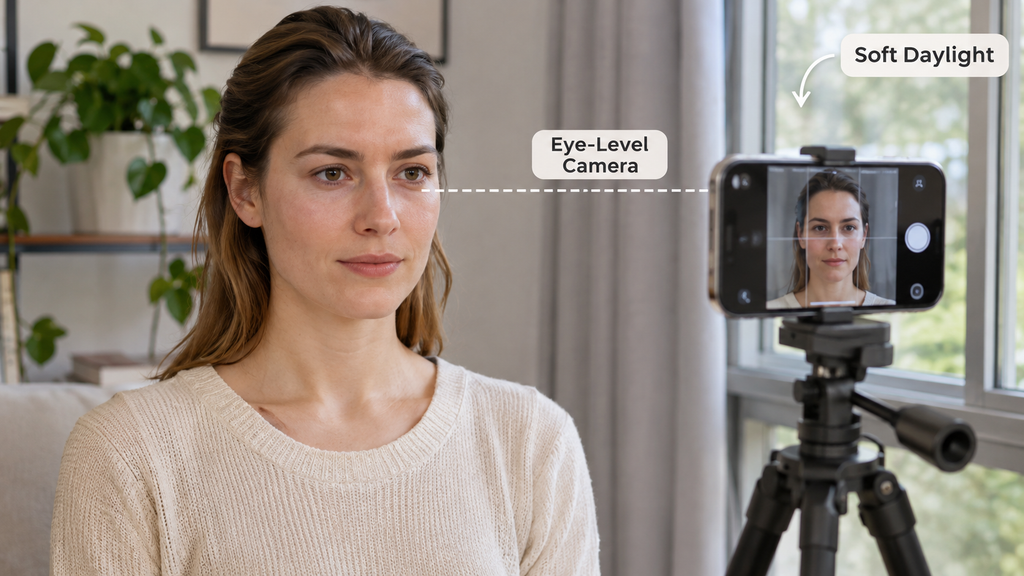
A useful assessment begins with a clear, well-lit photograph. Choose a recent image showing your face directly, without sunglasses, heavy filters, or hair covering important features.
Position the camera near eye level and use soft, even lighting. Keep your expression relaxed when comparing multiple photographs. These conditions make facial landmarks easier to assess.
For readers who want to explore a beauty rating alongside their visible features, Facefy’s AI attractiveness test is a relevant option. It connects the curiosity behind AI beauty scores with an accessible, photo-based approach to examining appearance.
Follow the tool’s current instructions, review the available results, and focus on feature descriptions rather than fixating on one number. Any score is an estimate shaped by the photograph and the system’s criteria.
What Does Your AI Attractiveness Score Mean?
Some tools use a 1 to 10 scale, while others use different systems. On a hypothetical ten-point scale, 1 to 3 represents the lower range, 4 to 5 the lower-middle range, 6 to 7 the upper-middle range, 8 to 9 the higher range, and 10 the maximum possible rating.
These numbers are not scientifically validated beauty categories or population percentiles. A score of 6 on one platform may not match a 6 on another, and even the same tool may produce different results from different photographs.
How to Use AI Results to Improve Your Photos and Style
Experiment With Hairstyles
Hair length, layering, volume, and parting can change perceived facial proportions. Face-framing layers may soften an angular jawline, while crown volume may make a round face appear longer.
Facefy’s Hairstyle Finder can help you explore hairstyle possibilities. Consider hair texture, density, maintenance, and personal taste alongside any digital suggestion.
Compare Camera Angles
Try photographs at eye level and from slightly different distances to help you discover which perspective looks most accurate or flattering on camera. Some users get more accurate results when they keep the same distance, lighting, and expression across shots. Notice how perspective changes facial proportions and which image communicates the impression you want.
Explore Grooming and Makeup
Eyebrow grooming, beard length, and makeup placement can influence facial framing without changing underlying anatomy. Choose styles that suit your preferences and circumstances.
Select Photos Based on Context
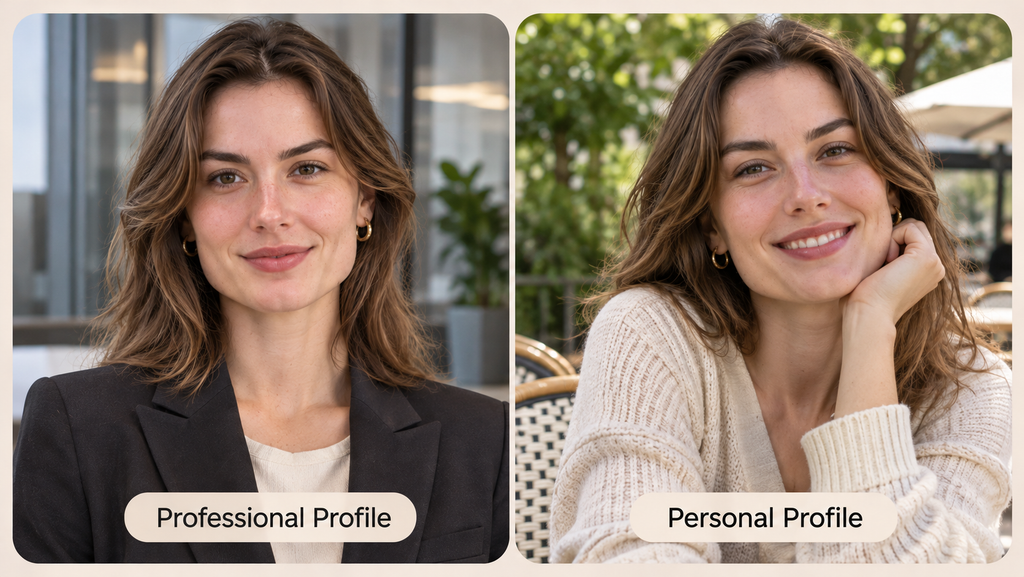
A professional headshot and a casual dating profile serve different purposes. The photograph with the highest AI score is not necessarily the strongest profile picture for that context. Used this way, AI attractiveness tests can help improve online profiles by matching the photo to the platform.
Accuracy, Bias, and Limitations
Photo conditions influence results. Camera lenses, lighting, filters, and expressions can alter apparent proportions.
Beauty preferences are subjective and vary across cultures and individuals. Training data can introduce bias, particularly when it reflects narrow appearance standards. Different platforms may also disagree because their models use different assumptions.
AI cannot assess personality, movement, communication, or the complete impression someone makes in person. Low ratings may affect self-esteem, so treat results as optional information rather than personal verdicts.
Privacy and Safety When Uploading Facial Photos
Facial photographs are personal information. Before using any service, check its privacy policy for details about image processing, storage, retention, sharing, and deletion. Consider tools that explain their practices clearly or offer local processing.
Avoid uploading photographs of other people without permission.
Tips for More Consistent Results
Use natural, even lighting, a clear front-facing photograph, a neutral expression, and a similar camera distance each time. Avoid strong filters and keep facial features unobstructed. Testing several photographs can reveal how much results depend on the image rather than the person.
Final Thoughts
AI attractiveness tests can be an interesting way to explore facial symmetry, proportions, eye shape, and photographic presentation. Their greatest practical value lies in supporting informed styling choices and better photo selection.
A beauty score is one system’s interpretation of one image. It cannot define your confidence, personality, attractiveness, or personal value.
Read More at Eazy Magazine