

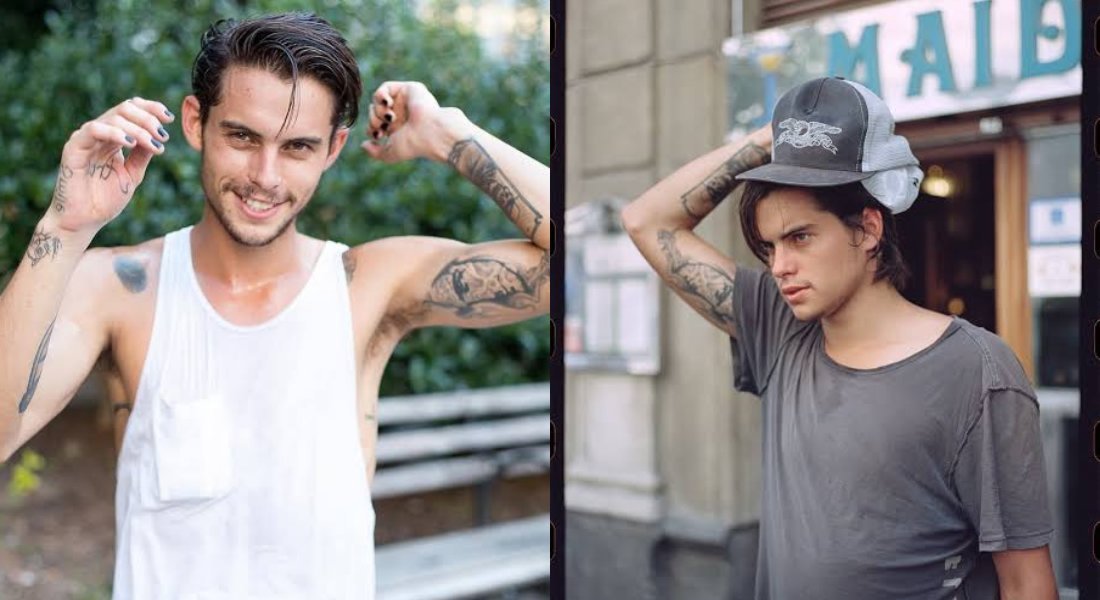
Few figures in modern subculture have left an imprint as indelible, authentic, and universally admired as Dylan Rieder. Born in Westminster, California, in 1988, he grew from an energetic neighborhood kid pushing down suburban sidewalks into an international phenomenon who bridged the worlds of core street skateboarding, contemporary art, and luxury fashion. While countless athletes chase contest trophies and technical difficulty, Dylan Rieder stood apart because he prioritized grace, composure, and aesthetic purity above everything else. Watching him execute a towering impossible over a concrete barrier or glide effortlessly across a marble ledge felt less like viewing an extreme sport and more like witnessing kinetic art in motion.
Beyond his unmatched physical talent on a wooden deck, Dylan Rieder shattered long-standing stereotypes about how a professional skateboarder was supposed to look, dress, and carry themselves. He rejected baggy trends and bulky footwear in favor of tailored silhouettes, vintage leather jackets, and slim slip-on shoes, inadvertently transforming global streetwear and landing major campaigns with brands like DKNY and Vogue. Even after his heartbreaking passing from leukemia in October 2016 at the age of 28, his influence continues to reverberate through every skatepark, design studio, and runway across the globe.
| Full Name | Dylan Joseph Rieder |
| Date of Birth | May 26, 1988 |
| Birthplace | Westminster, California, United States |
| Date of Death | October 12, 2016 (Aged 28) |
| Place of Death | Duarte, California, United States |
| Height | 5 ft 10 in (178 cm) |
| Professions | Professional Skateboarder, Fashion Model, Artist, Entrepreneur |
| Notable Sponsors | Alien Workshop, Gravis, HUF, Supreme, Vans, Quiksilver, Fucking Awesome |
| Major Awards | The Skateboard Mag Am of the Year (2006), TransWorld Best Video Part (2015) |
Early Life and Childhood in Southern California
Dylan Joseph Rieder entered the world on May 26, 1988, in Westminster, California, a suburban city situated in northern Orange County. Raised in a supportive, working-class household by his father, Joe Rieder, who worked as a barber, and his mother, Dana (née Webb, later Ortiz), he shared his childhood alongside his younger sister, Makenna. Growing up in Southern California during the late 1990s meant being surrounded by sun-drenched concrete ditches, backyard pools, and an unmistakable youth culture dominated by action sports. From a young age, Dylan Rieder displayed an innate restlessness and a keen eye for aesthetics, absorbing the sights and sounds of the local skate scene long before he ever stood on a board himself.
Discovering Skateboarding at Age Nine
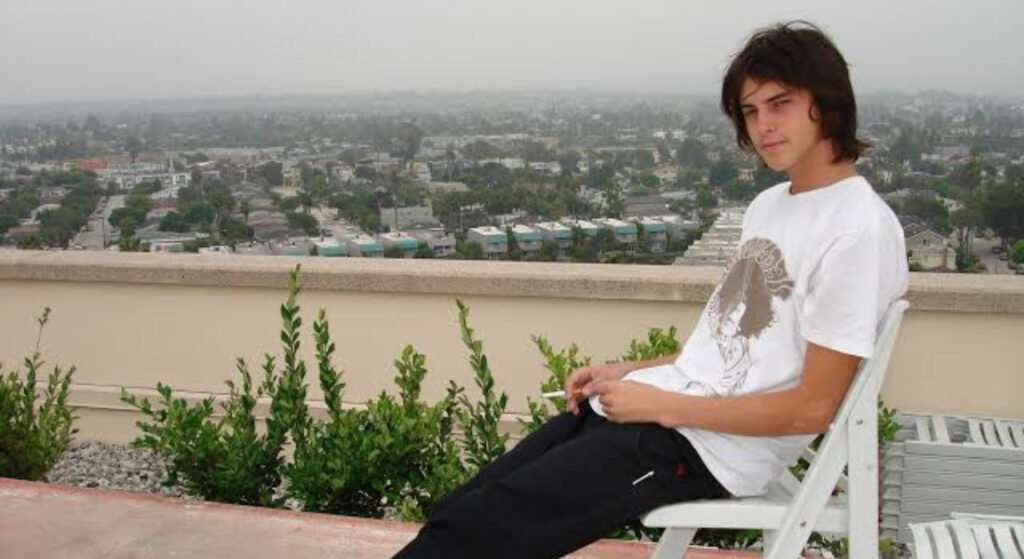
Everything changed for Dylan Rieder at the age of nine when he first stepped onto a skateboard. Unlike many beginners who struggle for months just to maintain their balance, he possessed a natural posture and rhythmic fluidity that immediately caught the attention of older local skaters. He spent virtually every waking hour outside, practicing basic ollies, kickflips, and rail slides until dusk forced him indoors. His parents recognized his genuine passion early on and encouraged his dedication rather than viewing skateboarding as a passing distraction. By his early teenage years, Dylan Rieder was already filming local street footage and catching the eye of industry scouts who marveled at how effortlessly he handled high-speed gaps and daunting handrails.
Rise Through the Amateur Ranks
As Dylan Rieder entered adolescence, his progression accelerated at a remarkable pace. Sporting braces and oversized early-2000s skate attire, he began appearing in underground shop videos and amateur showcases. His early sponsors included respected names such as Quiksilver, Birdhouse, and Osiris Footwear, providing him with the resources to travel and film alongside established professionals. In 2003, at just fifteen years old, he delivered an eye-opening appearance in the Osiris Footwear video Subject to Change, as well as a cameo in the skate comedy film Grind. Even in those formative years, viewers noticed that he refused to flail his arms or force awkward landings; every maneuver was executed with upright posture and calm authority.
Turning Pro and A Time to Shine
The turning point in the career of Dylan Rieder arrived in 2006, the year he officially turned professional at age 18. His breakout came via his full-length part in TransWorld Skateboarding’s acclaimed video A Time to Shine. Filmed across diverse terrains, the section showcased a mature, versatile skater equally comfortable launching down massive stair sets and carving technical transitions. His clean lines, high-popping ollies, and unmistakable composure stunned the skateboarding community. Later that same year, The Skateboard Mag honored Dylan Rieder with the prestigious title of Am of the Year, cementing his arrival as one of the brightest young talents in the global industry.
Defining Video Parts and Skateboarding Mastery
Throughout the late 2000s and early 2010s, Dylan Rieder cemented his legendary status not through endless contest appearances, but through meticulously crafted video parts that became instant classics. Joining the iconic Alien Workshop team allowed him to align with a brand celebrated for artistic direction and avant-garde visual storytelling. In 2009, he starred in Alien Workshop’s masterpiece Mind Field, directed by Greg Hunt. Set to an atmospheric soundtrack, his segment redefined modern street skating. Rather than relying on convoluted flip-in, flip-out combinations, Dylan Rieder focused on speed, height, and precision—executing switch backsmith grinds and towering impossibles with effortless nonchalance.
The Gravis Era and Viral Acclaim
Following Mind Field, Dylan Rieder partnered with Gravis Footwear to release his self-titled solo part, Dylan., in 2010. Shot largely in crisp black-and-white by Greg Hunt, the four-minute short film transcended traditional skate media and went viral across mainstream design and culture websites. Every frame looked like an independent art-house movie, capturing Dylan Rieder gliding over benches, launching over trash cans, and landing with feather-light precision. That same year, readers of TransWorld Skateboarding voted him the Readers’ Choice Award winner, proving that both core purists and casual fans recognized the rare magic he brought to a skateboard.
Supreme’s Cherry and Peak Artistry
In March 2014, Dylan Rieder delivered arguably the finest video segment of his career in Supreme’s full-length film Cherry, directed by William Strobeck. Skating through the gritty streets of New York City, he displayed total mastery over his craft. Wearing tucked-in white tees, cropped trousers, and signature HUF footwear, he navigated bustling Manhattan plazas and treacherous street gaps with unmatched poise. His segment in Cherry earned universal acclaim from critics and peers alike, earning him the 2015 TransWorld Skateboarding Award for Best Video Part and later being cited by Rolling Stone as one of the defining moments of his career.
Competitive Skateboarding and Contest Philosophy
Although Dylan Rieder was fundamentally a street filmmaker at heart, he occasionally stepped into the high-pressure arena of major skateboarding competitions. Between 2010 and 2013, he competed in several stops of Street League Skateboarding (SLS) as well as the X Games in Los Angeles, Barcelona, and Foz do Iguaçu. While many competitors engineered safe, repetitive contest runs specifically designed to maximize algorithmic points, Dylan Rieder refused to compromise his personal standards. He approached arena courses the exact same way he approached raw city streets—prioritizing style, risk, and clean execution over robotic consistency.
Highlighting the 2013 Kansas City Performance
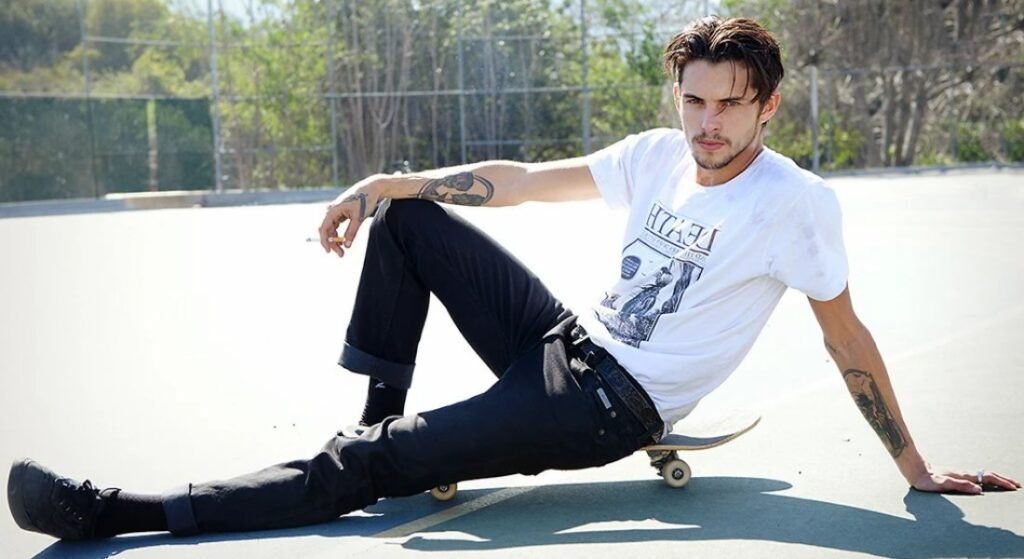
His most memorable competitive triumph occurred in June 2013 at the Street League Skateboarding stop in Kansas City. Surrounded by contest specialists, Dylan Rieder skated with complete freedom and artistic flair, landing massive, crowd-pleasing tricks that brought the arena to its feet. He finished in fifth place, outperforming dozens of seasoned contest veterans while never once looking rushed or stressed. Even when he placed lower in other events, fans tuned in specifically to watch his runs because his presence elevated the entire broadcast from a simple points race into a showcase of pure skateboarding aesthetics.
Revolutionizing Skate Fashion and Footwear Design
Long before luxury fashion houses routinely collaborated with street brands, Dylan Rieder single-handedly transformed the visual language of skateboarding. In the mid-2000s, skate apparel was largely defined by oversized hoodies, baggy denim, and heavily padded athletic sneakers. Dylan Rieder broke away from that mold entirely, opting for slim, rolled-up chinos, crisp button-down shirts, leather motorcycle jackets, and vintage silver rings. Initially, some traditionalists mocked his distinct look on internet forums, yet within a few short years, nearly an entire generation of young skaters began emulating his minimalist wardrobe.
Signature Shoes with Gravis and HUF
His revolutionary approach extended directly to footwear design. During his tenure with Gravis, Dylan Rieder introduced his first pro model shoe, simply named The Dylan. Inspired by classic dress loafers and sleek slip-ons rather than bulky skate trainers, the shoe featured a low-profile silhouette with refined leather and suede finishes. Later, after joining HUF, he collaborated on the HUF Dylan, a lace-up pro shoe modeled after streamlined wing-tip dress shoes. Both designs defied industry conventions, proving that functional skate footwear could look sophisticated enough for a dinner party while withstanding concrete abrasion.
High Fashion Modeling and Editorial Acclaim
With chiseled features, piercing eyes, and an effortless magnetism in front of the camera, Dylan Rieder naturally attracted the attention of the high-fashion world. Unlike celebrities who awkwardly pose for brand endorsements, he brought genuine street credibility and unforced cool to every editorial shoot. In 2012, he appeared in Vogue, modeling designs by Alexander Wang and demonstrating how seamlessly skate culture could intersect with downtown New York luxury. Photographers and creative directors praised his ability to wear tailored coats and structured silhouettes without ever losing his authentic edge.
The Iconic DKNY Spring 2014 Campaign
His crossover success reached global heights in 2014 when Dylan Rieder was cast in DKNY’s Spring 2014 advertising campaign. Shot on the streets of New York City, the high-profile campaign featured him alongside supermodels Cara Delevingne and Jourdan Dunn, as well as hip-hop star A$AP Rocky. Clad in monochrome trench coats, crisp button-ups, and tailored jackets, Dylan Rieder held his own alongside some of the biggest names in entertainment and modeling. Following his career, GQ famously dubbed him “the skateboarder who changed fashion forever,” recognizing how he permanently dissolved the barrier between skateparks and high-end runways.
Visual Art, Personal Passions, and The Hunt NYC
Away from cameras and skateboards, Dylan Rieder was a deeply creative soul who expressed himself through visual art, photography, and curated design. He loved sketching, painting, and collecting rare vintage Americana, mid-century furniture, and antique curiosities. Friends frequently noted that he possessed an obsessive appreciation for craftsmanship, whether admiring a hand-built motorcycle, an independent film, or an obscure rock-and-roll record. During the late 2000s, he also weathered personal challenges, including overcoming struggles with prescription medication, emerging stronger, more focused, and deeply committed to his creative pursuits.
Co-Founding The Hunt in New York City
Channeling his love for rare objects and interior aesthetics, Dylan Rieder co-founded a unique retail gallery in New York City’s East Village called The Hunt alongside his close friends and fellow skaters Jake Lamagno and Steven Ditchkus. Later relocating to Canal Street in downtown Manhattan, The Hunt curated an eclectic mix of vintage furniture, custom jewelry, taxidermy, and one-of-a-kind art pieces. The boutique reflected his personal taste—moody, timeless, and unpretentious—and served as a creative gathering hub for artists, musicians, and skaters living in downtown New York.
Battle with Leukemia and Untimely Passing
In July 2014, at the height of his creative and professional momentum, Dylan Rieder received devastating medical news: he was diagnosed with leukemia. Confronting the life-threatening illness with the same quiet courage that defined his skateboarding, he stepped back from the spotlight to undergo intensive treatment. In March 2015, he received a life-saving bone marrow transplant donated by his beloved sister, Makenna, and joyfully announced a month later that his cancer was in remission.
Courage Through Relapse and Final Days
Unfortunately, the battle was far from over. In November 2015, the leukemia returned, prompting Dylan Rieder to undergo a second bone marrow transplant—once again generously donated by his sister. Although he achieved remission a second time and briefly returned to skating with close friends, the aggressive disease relapsed once more in 2016. On October 12, 2016, surrounded by devoted family and lifelong friends in Duarte, California, Dylan Rieder passed away from complications related to leukemia at just 28 years old.
Global Tributes and Memorials

News of his passing sent waves of grief across the global skateboarding, music, and fashion communities. Tributes poured in from peers and admirers around the world. Rock legend Ozzy Osbourne called him “one of the most talented and brave men” he had ever known, while Cara Delevingne wrote that he would be deeply missed by countless people. The Skateboard Mag summarized the collective heartbreak of the skate world, stating, “We lost one of the best to ever step on a skateboard today.” A heartfelt memorial service was held at Hollywood Forever Cemetery, and part of his ashes were later scattered into the ocean in Hawaii.
Enduring Legacy and Cultural Impact
More than a decade after his passing, the legacy of Dylan Rieder remains remarkably vibrant. Rather than fading into nostalgia, his aesthetic philosophy continues to shape modern skateboarding and streetwear culture. Younger generations of skateboarders still study his video parts frame by frame—not merely to copy his trick selection, but to understand how posture, speed, and intention transform simple movements into timeless moments. Brands he helped champion, including Fucking Awesome and Supreme, regularly honor his memory, while charity initiatives such as the Dylan Rieder Foundation and tribute publications like What Youth have raised vital funds for leukemia research and patient support.
Conclusion
Dylan Rieder proved that true greatness cannot be measured solely by medals, contest scores, or statistical milestones. Over the course of 28 years, he elevated street skateboarding into an expressive art form, reshaped contemporary fashion, and inspired millions through his authenticity and quiet resilience. From his early days pushing through Westminster, California, to his iconic roles in Mind Field and Cherry, every step of his journey reflected uncompromising taste and fearless individuality. Though his life was cut tragically short, Dylan Rieder achieved something few artists ever do: he left behind a body of work so pure and timeless that it will forever define what it means to move through the world with grace.
Frequently Asked Questions (FAQs)
1. Who was Dylan Rieder?
Dylan Rieder (1988–2016) was an acclaimed American professional skateboarder, artist, entrepreneur, and fashion model from Westminster, California. He became world-famous for his effortless skateboarding style, iconic video parts, and pioneering influence on streetwear and high fashion.
2. What were Dylan Rieder’s most famous skateboarding video parts?
His most celebrated video parts include TransWorld Skateboarding’s A Time to Shine (2006), Alien Workshop’s Mind Field (2009), his self-titled solo film Dylan. for Gravis Footwear (2010), and Supreme’s Cherry (2014), which won Best Video Part at the 2015 TransWorld Skateboarding Awards.
3. How did Dylan Rieder influence the fashion industry?
Dylan Rieder broke away from traditional baggy skatewear by skating in tailored, slim-fit trousers, tucked-in tees, leather jackets, and loafer-inspired skate shoes. His distinctive style led to high-fashion editorials in Vogue, a major DKNY campaign alongside Cara Delevingne and A$AP Rocky, and widespread acclaim from GQ.
4. What brands sponsored Dylan Rieder during his career?
Throughout his career, Dylan Rieder rode for and collaborated with several major skate and lifestyle brands, including Alien Workshop, Fucking Awesome, Gravis Footwear, HUF, Supreme, Vans, Quiksilver, Birdhouse, and Osiris Footwear.
5. What was The Hunt store that Dylan Rieder owned?
The Hunt was an eclectic boutique and art gallery in New York City co-founded by Dylan Rieder alongside his friends Jake Lamagno and Steven Ditchkus. Located in the East Village and later on Canal Street, the shop specialized in vintage furniture, jewelry, art, and rare collectibles.
6. How did Dylan Rieder pass away?
Dylan Rieder was diagnosed with leukemia in July 2014. Despite undergoing two bone marrow transplants donated by his sister Makenna and entering remission twice, the cancer returned. He passed away from leukemia-related complications on October 12, 2016, at age 28.