

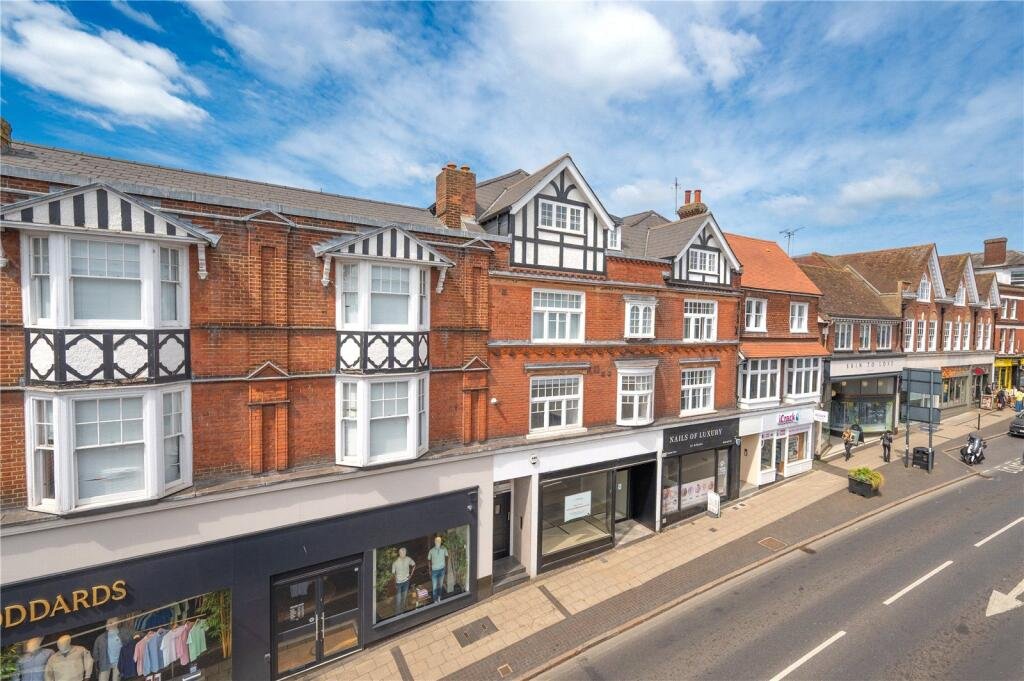
When a growing family runs out of space, extending an existing home or moving to a larger property can both be practical solutions. In St Albans, the decision often depends on the cost of additional space, school arrangements, commuting needs and the potential for further improvements. Comparing the long-term benefits of each option can help families choose the right next step.
1. Is Extending Your Current Home the Better Option?
Extending can make sense if your current home already suits your family’s needs apart from its size. A kitchen extension could create space for family meals, while a loft conversion might provide an additional bedroom or a quiet study area.
Keeping your existing property also allows you to retain established routines. Children can remain at their current schools, and parents can maintain familiar commuting arrangements. You avoid the disruption of moving and the process of finding another property that meets your requirements.
However, an extension is not always straightforward. The available garden space, existing layout, access for builders and the property’s structural condition will influence what is achievable. You should also consider how construction work might affect family life, particularly if you need to remain in the property throughout the project.
Before committing, obtain detailed quotations and investigate planning requirements. St Albans has several conservation areas, and some properties are affected by Article 4 Directions that restrict certain permitted development rights. Previous extensions may also affect what you can build next.
2. When Does Moving Make More Financial Sense?
Moving may be the more practical option if your current property cannot accommodate your family’s future needs. You might need another bedroom, a larger garden, more storage or a different layout that would be difficult or expensive to create through an extension.
Compare the total cost of extending with the cost of buying a larger home. An extension budget should include professional fees, construction, materials, building regulations and a contingency for unexpected work.
Moving involves different expenses, including estate agency fees, conveyancing, surveys, removal costs and potentially Stamp Duty Land Tax. Mortgage arrangements and borrowing costs also need consideration.
The comparison should extend beyond the initial expenditure. An extension could improve your existing home’s functionality, while moving might provide a more suitable layout and reduce the need for further building work.
Request realistic estimates for both options before making a decision. Avoid assuming that an extension will automatically increase the property’s value by more than it costs. Equally, do not judge a potential move solely by the difference between your current home’s value and the asking price of a larger property.
3. How Will Schools and Family Life Influence Your Decision?
For many families, school arrangements are central to the decision. Moving within St Albans may allow children to remain close to familiar schools and friends, but changing neighbourhoods could affect travel times and daily routines.
Consider the locations of schools, childcare providers, parks and other facilities your family uses regularly. Clarence Park and Verulamium Park offer outdoor spaces for recreation, while the city centre provides access to shops and everyday services.
If you are considering moving, explore areas such as Marshalswick, Fleetville and London Colney according to your priorities. Each offers a different setting, so assess the practical journey to school, work and family activities rather than relying on distance alone.
School admissions arrangements and catchment assumptions should be checked directly with the relevant admissions authority. Living near a school does not guarantee a place.
If your current location works well for the whole family, extending may preserve that advantage. If daily journeys are already difficult, moving could provide an opportunity to improve the household’s overall routine.
4. Will Your Home Support Your Family’s Needs in Five Years?
The right decision should reflect how your household is likely to change. A family with young children may prioritise bedrooms and play space, while parents of older children might need separate study areas and greater privacy.
Extending can address some of these needs, provided the existing property has sufficient potential. A loft conversion could create a teenager’s bedroom, for example, while a reconfigured ground floor might provide more flexible living space.
Moving offers a chance to choose a property with a more suitable layout from the outset. However, avoid paying for additional rooms that are unlikely to be useful or affordable to maintain.
Think about storage, parking, garden maintenance, energy costs and access to transport. St Albans City station offers rail connections towards London, while St Albans Abbey station serves the branch line towards Watford Junction. Your preferred location should reflect the journeys your family makes most often.
A home that works well today may not remain suitable indefinitely. Assess whether an extension would provide enough flexibility for the next stage of family life or simply postpone another move.
5. Make an Informed Decision Before Committing
Start by identifying what your current property lacks. List the essential improvements, then separate them from features that would simply be desirable.
If extending remains an option, consult an architect or suitable building professional to establish what is feasible. Check planning constraints, building regulations, access and the likely construction timeline before committing to a budget.
If moving appears more suitable, research comparable properties and consider the likely selling price of your current home. A local property appraisal can help you understand your position, although an asking price is not a guarantee of the final sale price.
Speaking to estate agents in St Albans can help you assess local property options and understand how your current home compares with larger properties available in the area.
Ultimately, extending is often attractive when the location and property already work well. Moving may be preferable when the limitations go beyond a shortage of space. The best choice is the one that meets your family’s needs without placing unnecessary pressure on your finances.
Frequently Asked Questions
Is extending cheaper than moving in St Albans?
It depends on the scale of the extension, the property’s condition and the costs associated with buying another home. Extending involves design, construction and professional fees, while moving brings transaction costs, removal expenses and potentially additional property taxes. Obtain detailed estimates for both options before comparing their overall financial impact.
Do I need planning permission to extend my home in St Albans?
Some extensions may fall within permitted development rights, while others require planning permission. Restrictions can apply in conservation areas, Article 4 Direction areas and properties where permitted development rights have been withdrawn. Listed buildings may require separate listed building consent. Check your property’s planning history and obtain advice from St Albans City and District Council before starting work.
Should I move house if my children are settled at school?
Not necessarily. Extending may allow your family to gain space without disrupting established school arrangements. However, moving could still be practical if your current home cannot meet your needs or if another location offers more suitable accommodation. Check school admissions arrangements and consider the effect of any move on travel, childcare and family routines.
How can I decide whether my current home has enough potential for an extension?
Assess the available garden space, existing layout, structural condition and any planning constraints. Consider whether an extension or loft conversion would solve the specific problems your family faces. An architect or building professional can help establish feasibility and likely costs before you commit to a project.
What should I do first if I am unsure whether to extend or move?
Start by identifying your essential space requirements and setting a realistic budget. Obtain an initial assessment of the extension options, research larger properties in suitable locations and seek an appraisal of your current home. Comparing these figures alongside school, commuting and lifestyle considerations will give you a stronger basis for making a decision.