

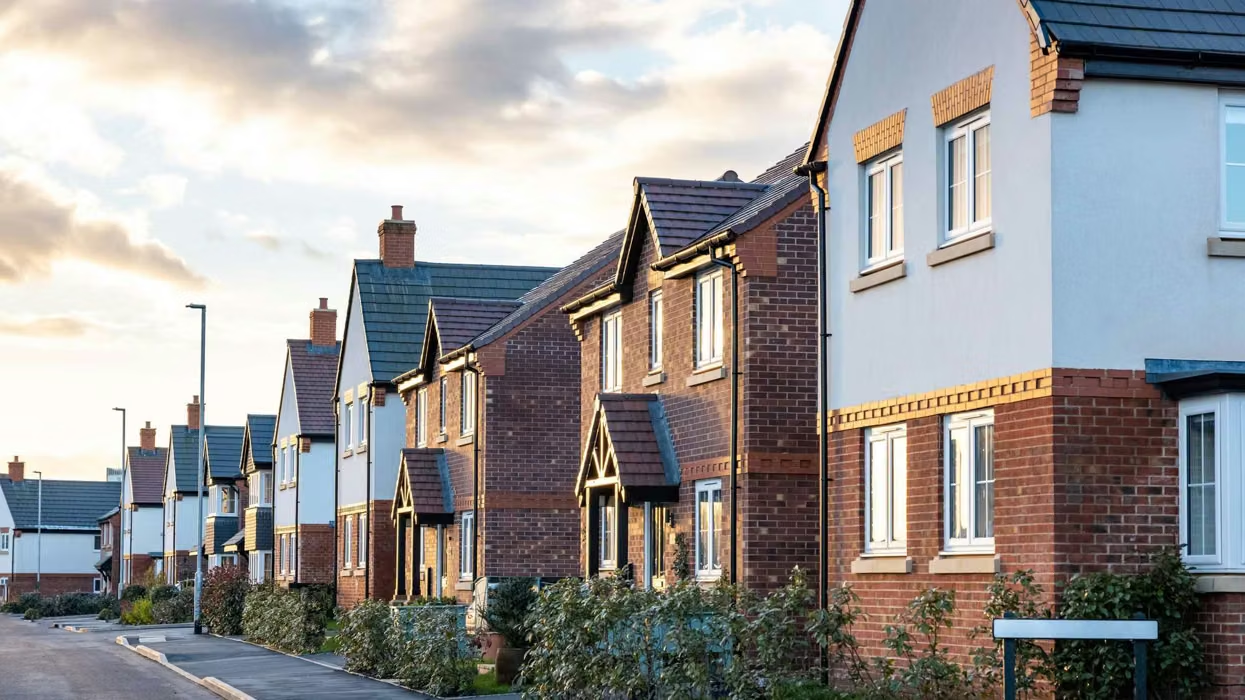
Sevenoaks is often associated with spacious family houses, leafy residential streets and properties that appeal to buyers seeking more room outside London. Yet not everyone searching in the area needs a large house with a generous garden. First-time buyers, downsizers, young professionals and smaller households may be looking for a flat, maisonette or compact terraced home that fits their budget and lifestyle.
This raises an important question: are smaller homes being overlooked in Sevenoaks’ property market, or do they still offer worthwhile opportunities for buyers and sellers?
The answer depends on more than floor space. Location, transport links, maintenance costs, energy efficiency and the way a property is presented can all affect its appeal. Understanding these factors can help buyers recognise the benefits of smaller homes and help sellers position them more effectively.
Why Larger Homes Often Attract Attention
In an area such as Sevenoaks, larger houses can appeal to families who want several bedrooms, space to work from home and access to outdoor areas. Buyers planning to stay for many years may also value the flexibility of having an extra room or space to accommodate changing family needs.
However, this preference does not mean smaller properties have become irrelevant. A large house may come with higher purchase costs, greater maintenance demands and more expensive heating bills. For households that do not need the additional space, these costs may be difficult to justify.
Smaller homes can offer a more manageable alternative, particularly for buyers who prioritise location over floor area. A well-designed flat close to a station or local amenities may suit someone better than a larger property that requires a longer commute or more upkeep.
The key is to look at how a home supports everyday life rather than assuming that more space automatically means better value.
Do Smaller Properties Offer Better Value in Sevenoaks?
For buyers working within a set budget, smaller homes can provide a practical route into an area that might otherwise feel financially out of reach. Flats and maisonettes may have lower asking prices than larger houses, although the difference varies by location, condition, tenure and available facilities.
Buyers should compare the total cost of ownership rather than the purchase price alone. Leasehold flats, for example, may involve service charges and ground rent where applicable, while older houses can require significant spending on repairs. Mortgage payments, council tax, insurance and energy bills also affect affordability.
Anyone exploring the local market can Search for local estate agents in Sevenoaks to understand the types of properties available and compare options that match their budget. Local knowledge can be particularly useful when two similar-sized homes have different levels of convenience, outdoor space or access to transport.
Smaller homes may also appeal to buyers who would rather spend less on property and retain more flexibility for travel, savings or other priorities. For these households, buying a compact home in a convenient location can be a more sensible decision than stretching their finances to secure additional rooms they may rarely use.
What Makes a Smaller Home Appealing to Buyers?
Floor space is only one part of a property’s appeal. A smaller home can feel comfortable and practical when its layout makes good use of every room.
Storage is particularly important. Built-in cupboards, fitted wardrobes and well-planned kitchen units can reduce clutter without taking up valuable living space. Buyers may also appreciate a separate area for working from home, even if it is simply a compact desk space rather than a dedicated office.
Natural light can make rooms feel more open, while an efficient layout helps prevent hallways and awkward corners from wasting usable space. Balconies, shared gardens and nearby parks may also compensate for the absence of a private garden, depending on the buyer’s preferences.
Location can be equally influential. A smaller property within walking distance of shops, cafés, public transport and everyday services may offer greater convenience than a larger home further away. For commuters, access to Sevenoaks railway station and realistic journey times to their workplace may be central to the decision.
Condition matters too. A smaller property that is well maintained and ready to occupy can be attractive to buyers who want to avoid the expense and disruption of major renovation work. Sellers should therefore focus on practical improvements, good presentation and clear information about the home’s features.
How Can Buyers and Sellers Judge the Market Fairly?
It can be tempting to judge a property by comparing its asking price with that of a larger house nearby. However, this approach may overlook differences in location, property condition, tenure and demand from particular types of buyers.
A more useful comparison involves looking at similar homes in the same area. Buyers can consider recent sale prices, the length of time properties have been marketed and whether asking prices have changed. Sellers can use comparable evidence to set a realistic price rather than assuming that the wider market will determine what their home is worth.
The government’s UK House Price Index reports provide official information on residential property price trends. These figures offer useful wider market context, although they do not establish the value of an individual flat or house in a particular Sevenoaks street.
For a more detailed assessment, buyers and sellers should consider property-specific factors alongside broader trends. A compact home with a modern interior, convenient location and manageable running costs may attract interest for very different reasons from a similar-sized property requiring substantial work.
It is also worth remembering that market conditions can vary between property types. Demand for larger family houses does not necessarily mean that smaller homes will experience the same level of interest, and neither should be assumed to perform identically over time.
Are Sellers of Smaller Homes Missing Opportunities?
Some sellers may underestimate the appeal of their property because it lacks an extra bedroom or a large garden. Yet buyers searching for a manageable home may place greater value on convenience, condition and affordability than on size alone.
Presentation can help communicate these benefits. Decluttering rooms, improving lighting and arranging furniture carefully can make the available space easier to understand. Photographs should show how rooms can be used, while property descriptions should highlight useful storage, outdoor access, transport links and nearby amenities where relevant.
Sellers should also avoid spending heavily on improvements that are unlikely to suit their target audience. Basic repairs, a clean finish and a functional layout may be more valuable than an expensive refurbishment. Where larger work is being considered, it makes sense to weigh the likely cost against comparable properties and local buyer expectations.
Accurate pricing remains important. Setting an asking price based on realistic comparisons can help attract suitable buyers, whereas an inflated price may discourage viewings and prolong the selling process.
Why Smaller Homes May Suit Changing Lifestyles
Household needs do not remain the same throughout life. First-time buyers may want a manageable first purchase, professionals may prefer a convenient base near transport links, and downsizers may be looking to reduce maintenance after moving from a larger family home.
Smaller properties can suit these changing priorities by reducing the amount of space that needs cleaning, heating and maintaining. They may also allow owners to live closer to local facilities rather than prioritising a larger property on the outskirts.
However, compact living is not right for everyone. Buyers should consider storage, privacy, future household changes and the practicalities of working from home before committing. Lease terms, service charges and communal arrangements are also worth reviewing carefully when purchasing a flat.
The best decision is one based on current needs and realistic future plans, rather than the assumption that a larger property is always a better investment.
Conclusion
Smaller homes should not automatically be overlooked in Sevenoaks’ property market. While larger houses may attract buyers who need additional bedrooms and outdoor space, flats, maisonettes and compact houses can offer a practical balance of affordability, convenience and manageable upkeep.
For buyers, the priority is to compare total ownership costs, location and layout rather than focusing solely on size. For sellers, understanding the needs of the likely audience and presenting the property clearly can help highlight its strengths.
Ultimately, a home’s suitability depends on how well it fits the people who will live in it. In Sevenoaks, smaller properties can still have a clear role for buyers who value location, practicality and financial flexibility.