

For many clothing retailers, winter is one of the most important trading periods of the year. Customers arrive looking for warmth, comfort and gifts. Coats and knitwear are often among the most expensive items they buy, which means a strong winter season can make a big difference to a store’s annual results.
Yet winter merchandising is challenging. Outerwear takes up a lot of space. Customers want to try coats on and compare warmth, weight and fit. Knitwear needs to look soft and inviting without becoming a messy pile. Weather can change demand overnight. And the end of the season brings the risk of leftover stock.
This article explores how retailers plan, present and sell winter outerwear and knitwear, how customers and staff experience the winter shop floor and what helps stores make the most of the season.
Understanding Winter Retail
High-Value Purchases
Coats are among the highest-priced items in most casual clothing ranges. Customers take time to decide and often compare several options.
Weather-Driven Demand
The first cold snap often triggers a rush of coat sales. Mild spells can slow demand just as suddenly.
Gift Season
Knitwear, scarves and lighter outer layers are popular gifts, so winter overlaps with the busiest shopping weeks of the year.
Space Constraints
Bulky outerwear takes up rail space, making layout decisions especially important.
How Customers Experience Winter Shopping
Searching for Warmth
Customers want to understand how warm a coat will be and whether it suits their climate and lifestyle.
Trying On
Most customers prefer to try coats on, checking fit over the clothes they usually wear underneath.
Building Outfits
Customers often buy coats and knitwear together, imagining complete winter outfits.
Comparing Value
Because coats are expensive, customers compare prices, quality and features carefully.
The Role of Quilted Coats in Winter Ranges
A Winter Best-Seller
Quilted coats are a staple of winter ranges. They appeal to a wide audience, from students to commuters to families.
Presenting Quilted Outerwear
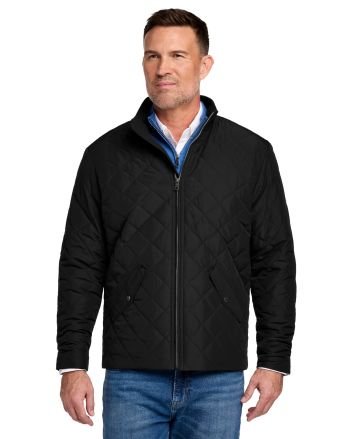
Retailers often display quilted coats on mannequins in full outfits, showing how they pair with knitwear, scarves and boots. Hanging them by color creates an eye-catching wall, while clear signage explaining fill type, warmth level and weather resistance helps customers decide. A well-styled puffer jacket on a front-of-store mannequin is often one of the strongest signals to passing shoppers that winter stock has arrived.
Size and Color Planning
Popular colors and core sizes sell out quickly. Retailers who track early sales and reorder promptly can avoid empty rails at peak times.
The Role of Knitwear in Winter Ranges
Comfort and Gifting
Knitwear sells strongly in winter, both for personal use and as gifts. Cardigans, sweaters and knit vests appeal to many age groups.
Layering With Outerwear
Knitwear pairs naturally with coats. Displaying them together encourages customers to buy both.
Keeping Knitwear Tidy
Folded knitwear can quickly become untidy. Regular refolding, clear size labels and shelf dividers keep displays inviting.
Stocking Knitwear for Different Customers
Retailers serving schools, workplaces and uniform customers as well as walk-in shoppers often keep a core range of plain knitwear. Many source wholesale Cardigans in classic colors, allowing them to serve individual customers while also supplying bulk orders for offices, hotels and schools that need smart winter layers.
How Staff Experience Winter Retail
Product Knowledge
Staff need to explain differences between coats, such as insulation types, weather resistance and fit. Training before the season helps them advise customers confidently.
Fitting Room Support
Staff assist customers trying on coats, suggesting sizes and styles.
Visual Merchandising
Staff maintain displays, refold knitwear and restock rails during busy periods.
Wearing the Range
Some retailers encourage staff to wear current-season items, giving customers a real-life example of how pieces look.
Winter Retail Across Different Store Types
High Street Fashion Stores
Fashion-led stores focus on current trends, colors and silhouettes. Their winter displays often tell a story, with mood-led windows and styled outfits that help customers picture a new look.
Outdoor and Specialist Stores
Outdoor retailers serve customers who care about technical performance. Their winter merchandising emphasizes warmth ratings, weather resistance, fill types and layering systems. Staff expertise is especially important here.
Department Stores
Department stores carry many brands and price points. Clear zoning helps customers navigate, while cross-merchandising coats with knitwear, scarves and footwear encourages larger purchases.
Uniform and Workwear Suppliers
Stores that supply schools, businesses and organizations also see winter demand. Their customers often need coordinated coats and knitwear in specific colors, sometimes with logos, delivered before the cold season begins.
Online Retailers
Online stores cannot offer fitting rooms, so detailed size guides, fit notes, multiple photos and clear return policies become essential. Customer reviews that mention warmth and fit help shoppers decide.
The Role of Accessories
Scarves, hats and gloves are natural partners to coats and knitwear. Placing them near outerwear displays and fitting rooms encourages add-on purchases. Accessories also make popular gifts and offer lower price points for customers who are not ready to buy a coat.
Customer Service in Winter
Winter shoppers often have specific questions. Is this coat warm enough for a long commute? Will it fit over a suit jacket? Is it suitable for rain? Staff who can answer clearly, suggest alternatives and help customers try different sizes build trust and repeat business. Some stores also offer alteration services for sleeve lengths, which can turn a near-miss into a sale.
Managing Returns
Coats are sometimes returned after customers try them at home over their usual clothes or wear them in real weather. Clear return policies, honest product descriptions and good fitting-room advice help reduce returns. Tracking return reasons can also reveal sizing or quality issues to address with suppliers.
Important Elements of Winter Merchandising
Timing
Launching winter ranges too early can mean shoppers are not ready. Launching too late risks missing early demand.
Store Layout
Placing outerwear near entrances and windows signals the season and draws customers in.
Outfit Building
Displaying coats, knitwear and accessories together encourages larger purchases.
Signage and Information
Clear labels on warmth, fill, weather resistance and care help customers decide.
Lighting
Good lighting shows true colors and textures, especially for knitwear.
Fitting Rooms
Comfortable fitting rooms with mirrors and space to move help customers try on bulky outerwear.
Practical Ways to Improve Winter Sales
Train Staff Early
Brief staff on new products, insulation types and key features before the season starts.
Use Mannequins Strategically
Show complete outfits combining outerwear, knitwear and accessories.
Monitor Weather Forecasts
Prepare for spikes in demand when cold weather is forecast.
Track Size Performance
Reorder popular sizes quickly to avoid gaps.
Plan Gift Displays
Create gift areas featuring knitwear, scarves and accessories during the holiday season.
Managing End-of-Season Stock
Planning Markdowns
Retailers often reduce prices gradually as the season ends. Planning markdowns in advance helps clear stock without excessive discounting.
Carrying Classic Items Forward
Core styles in classic colors may be stored and sold the following winter.
Learning for Next Year
Reviewing which styles, colors and sizes sold best informs the next season’s buying.
Using Data Through the Season
Sales data is one of a retailer’s most valuable winter tools. Daily and weekly reports show which styles, colors and sizes are selling, which allows buyers to reorder winners while stock is still available. Comparing sales with weather patterns also helps retailers understand how much demand depends on temperature. Over several seasons, this information makes buying, staffing and markdown planning far more accurate.
Store teams can add useful context to the numbers. They notice which items customers try on but do not buy, which questions come up repeatedly and which displays draw attention. Sharing these observations with buyers and visual merchandisers helps improve both the current season and the next one.
Common Mistakes
Overstocking Trend Colors
Unusual colors may sell slowly compared with classic shades.
Untidy Knitwear Displays
Messy piles discourage customers from browsing.
Poor Product Information
Customers may hesitate if they cannot tell how warm a coat is.
Ignoring Fit
Limited sizes or fits can lead to lost sales.
Launching Too Late
Missing the first cold weather can reduce early-season sales.
Why Winter Merchandising Matters
Winter is a high-value season for many clothing retailers. Effective merchandising helps customers find the right coats and knitwear, encourages complete outfit purchases and supports strong seasonal results. Thoughtful planning also reduces leftover stock and builds customer loyalty.
Conclusion
Winter retail combines high-value outerwear, comfortable knitwear and gift-season demand. Customers want warmth, good fit and complete outfits. Staff need product knowledge and support. Retailers must plan timing, layout, signage, displays and stock carefully.
By presenting quilted coats and knitwear together, training staff, monitoring weather and sales, and planning for the end of the season, stores can make the most of winter and keep customers coming back year after year.
FAQs:
Q1:When should stores launch winter outerwear?
Ideally just before cold weather arrives, so stock is ready when demand rises.
Q2:Why display coats and knitwear together?
Displaying them together helps customers imagine complete outfits and encourages them to buy both.
Q3:How can retailers keep knitwear displays tidy?
Refold regularly, use shelf dividers and label sizes clearly.
Q4:What should retailers do with leftover winter stock?
Plan markdowns, carry classic styles forward and review sales data for next season.