

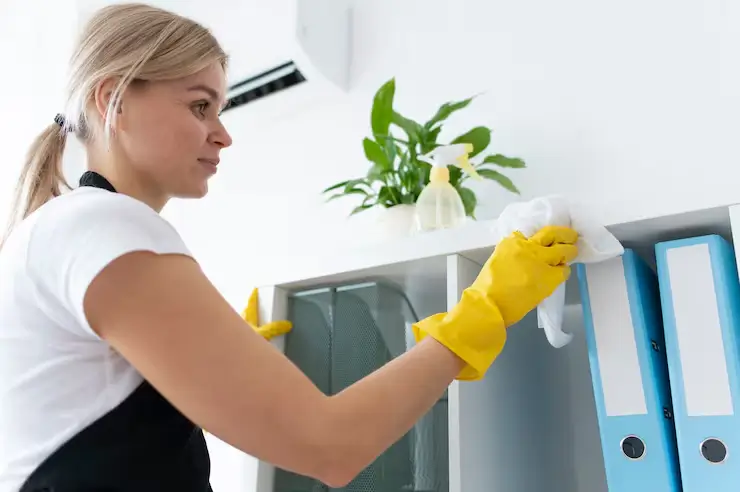
Maintaining high standards of indoor hygiene within modern residential properties requires addressing microscopic particulate accumulation, biological biofilms, and chemical soil bonding. In tightly constructed Midwestern homes across Dane County, high-efficiency building envelopes prevent natural ventilation during extended winter freezing periods and humid summers, trapping volatile organic compounds, cooking grease aerosols, pet allergens, and tracked-in road pollutants indoors. Irregular or superficial cleaning routines fail to penetrate microscopic surface fissures, allowing oily films to bond with airborne dust and create stubborn grime layers across cabinetry, baseboards, and architectural trim. Furthermore, improper application of generic off-the-shelf chemicals often causes irreversible damage to expensive finishes, stripping hardwood polyurethane coats, etching marble countertops, and degrading grout seals. Overcoming these compounding domestic maintenance issues demands shifting from reactive dusting toward structured,scientifically grounded surface sanitization.
When managing high-value estate maintenance or planning comprehensive seasonal property decontamination, partnering with Badger Luxe Cleaning ensures that specialized surface chemistries and industrial extraction systems are deployed according to strict hygiene standards. Professional cleaning technicians at Badger Luxe Cleaning implement multi-stage sealed HEPA particulate extraction, color-coded microfiber containment protocols, and substrate-matched cleaning agents to preserve delicate residential finishes across diverse living spaces.
Establishing systematic sanitization protocols eliminates abrasive particulates before environmental friction wears away expensive flooring coats. Methodical residential upkeep protects indoor environmental quality,safeguards costly building materials, and ensures that indoor living areas remain hygienic throughout changing climate conditions.
Surface Chemistry Dynamics and Porous Architectural Substrate Care
Preserving high-end architectural surfaces requires applying the correct chemical formulations based on substrate porosity and mineral composition. Natural stone installations—such as Calacatta marble,travertine, and limestone—are composed primarily of calcium carbonate, rendering them vulnerable to chemical etching from common acidic cleaners, vinegar solutions, and citrus degreasers. Once an acid dissolves the polished surface layer of calcium carbonate, the stone loses its natural luster and develops dull etching marks that require professional diamond polishing to restore.
Conversely, aggressive alkaline strippers and ammoniated cleaners break down polymer chains within polyurethane floor seals and factory wood lacquers, leading to discoloration and premature finish peeling.Professional residential sanitation relies on chemically balanced, neutral-pH chelating agents and biodegradable non-ionic surfactants. Chelating agents bind with dissolved calcium and magnesium ions present in tap water, preventing hard water spots and soap scum crystallization without degrading protective stone sealers or grout membranes.
Furthermore, proper chemical dwell times must be observed to neutralize bacterial pathogens and fungal spores without leaving sticky residues. Rinsing surfaces with demineralized water prevents detergent film accumulation, ensuring that countertops and tile fixtures remain clean longer without attracting airborne dust.
Deep Particulate Extraction, HEPA Technology, and Allergen Suppression
Eliminating deeply embedded respiratory irritants from soft furnishings, rugs, and interior air pathways requires high-efficiency mechanical extraction. Standard domestic vacuums often feature unsealed motor compartments and low-density filter bags that allow sub-micron allergens—including microscopic dust mite fecal particles, pet dander proteins, and mold spores—to exhaust straight back into room air. These suspended particles linger in breathing zones for hours, aggravating respiratory sensitivities and settling back onto polished furniture.
Industrial-grade HEPA filtration units resolve this air quality issue by utilizing multi-layered, sealed filter media that captures 99.97 percent of microscopic particles down to 0.3 microns. Operating sealed extraction equipment across carpets, draperies, and upholstery extracts settled particulate matter from deep within fiber matrices, preventing foot traffic from grinding sharp quartz grains against carpet yarns.
Additionally, isolating cleaning implements between domestic zones stops cross-contamination. Deploying color-coded microfiber systems ensures that bacteria from bathroom fixtures are never transferred to kitchen counters or food preparation areas. Split microfiber generates a microscopic capillary network combined with an electrostatic charge, physically locking away dust and pathogens within the cloth weave until commercial laundering occurs.
Ultimately, maintaining an immaculate domestic environment requires balancing chemical precision,advanced filtration mechanics, and disciplined execution. Structured professional cleaning protocols protect residential interior investments, improve pulmonary wellness, and maintain an exceptionally clean home through every season.