

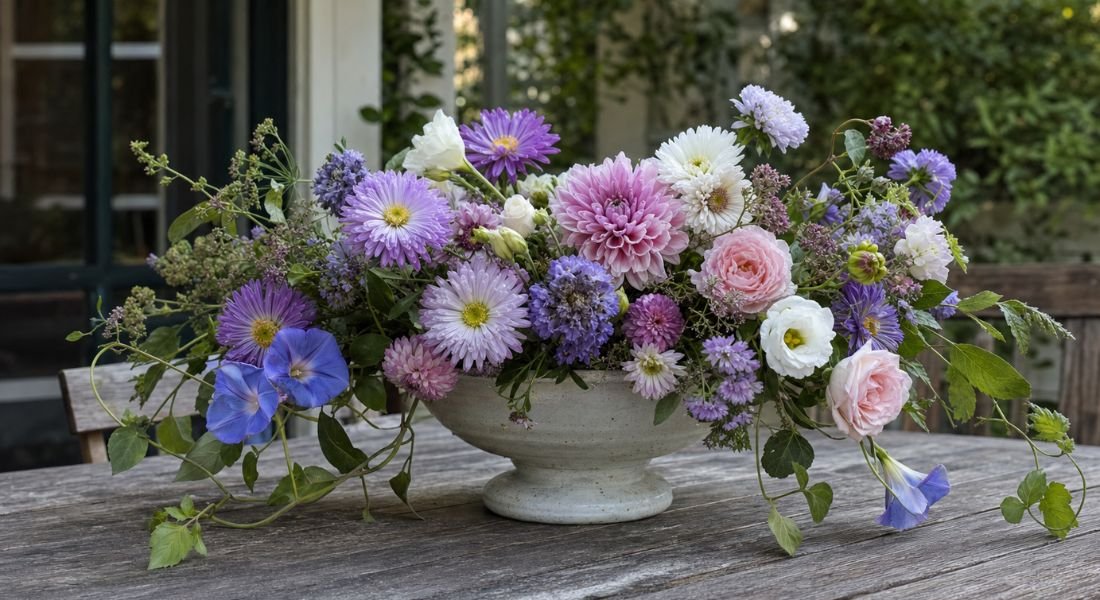
The transition from summer to autumn brings a distinctive shift in natural landscapes, floral design, and garden planning. September flowers capture this seasonal bridge by combining the bold colors of late-summer perennials with the warm, textured palette of early fall. Understanding which species thrive during this month helps gardeners, florists, and gift-givers make informed choices. This guide covers the history, symbolism, care requirements, and landscape design principles of late-season blossoms.
| Full Name | Aster & Morning Glory (September Birth Month Flora) |
| Botanical Classification | Asteraceae (Aster) & Convolvulaceae (Morning Glory) |
| Primary Active Season | Late August to Late October (Peak: September) |
| Native Regions | North America, Eurasia (Aster); Central & South America (Morning Glory) |
| Symbolic Meanings | Wisdom, Faith, Valor, Enduring Love, Affection, Renewal |
| Growth Habit | Herbaceous Perennial (Aster); Annual Climbing Vine (Morning Glory) |
| Optimal Light Exposure | Full Sun to Partial Shade |
| Soil Requirements | Well-draining, moist loamy soil (pH 6.0–7.0) |
| Key Ecological Role | Late-season nectar source for migrating Monarchs and native pollinators |
Understanding the Seasonal Shift in Autumn Flora
As daylight hours shorten and nighttime temperatures drop, flowering plants undergo physiological changes. During this seasonal window, summer annuals reach peak maturity while autumn perennials begin their bloom cycles. Photoperiodic responses trigger blooming in species like chrysanthemums, asters, and goldenrods.
The drop in humidity helps preserve bloom longevity on the stem, making mid-month ideal for harvesting cut arrangements. Gardeners often observe richer color saturation in cooler weather, as lower temperatures prevent rapid blossom fade in late-summer plants.
The Primary Birth Flower: Aster
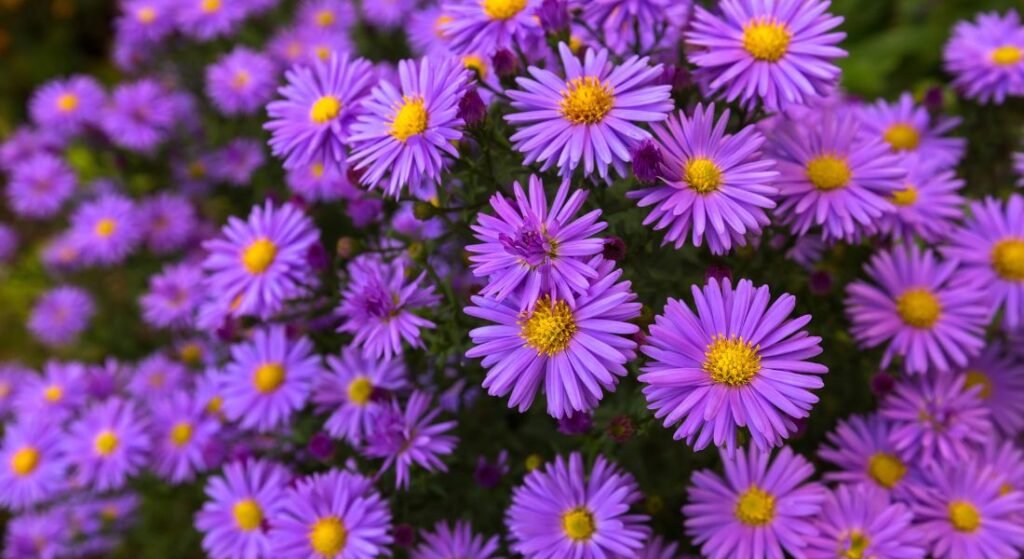
The Aster is celebrated as the primary birth bloom associated with early autumn. Derived from the Greek word for “star,” asters feature composite heads with central disk florets surrounded by ray petals. These sturdy perennials belong to the Asteraceae family and bloom reliably from late August through late October.
In floral symbolism, asters represent wisdom, faith, valor, and enduring love. Their ability to bloom while other flora fades makes them a historic emblem of patience across European and Asian gardening traditions.
Botanical Characteristics and Cultivars of Asters
Asters encompass over 180 species, with New England Asters (Symphyotrichum novae-angliae) and New York Asters (Symphyotrichum novi-belgii) being the most cultivated garden varieties. They range in height from dwarf varieties growing 6 inches high to border specimens reaching 6 feet.
Modern cultivars offer diverse shades, including deep violet, magenta, sky blue, and pure white. The central disc usually transforms from bright yellow to deep reddish-brown after pollination, serving as a clear signal to native pollinators.
The Secondary Birth Flower: Morning Glory
The Morning Glory (Ipomoea) serves as the secondary birth flower for the ninth month. These climbing vines produce saucer- or trumpet-shaped blossoms that open in early morning light and curl closed by afternoon.
In the language of flowers, morning glories represent affection, renewal, and the beauty of transient moments. Because individual blooms last only a single day, they symbolize the importance of valuing time. The vines continue producing new buds daily throughout September flowers’ peak blooming season until the first heavy frost.
Growing and Training Morning Glories in Autumn Gardens
Morning glory vines grow rapidly, climbing up to 10–15 feet in a single season when provided with adequate vertical support like trellises or fences. They perform best in full sun and relatively lean soil; excessively rich soil encourages leaf foliage over bloom production.
To boost early germination when planting seeds, soak them in warm water for 24 hours prior to sowing. In autumn, established vines produce dense displays of blossoms in hues of royal blue, magenta, pink, and white.
Dahlias: The Showstoppers of Late Summer
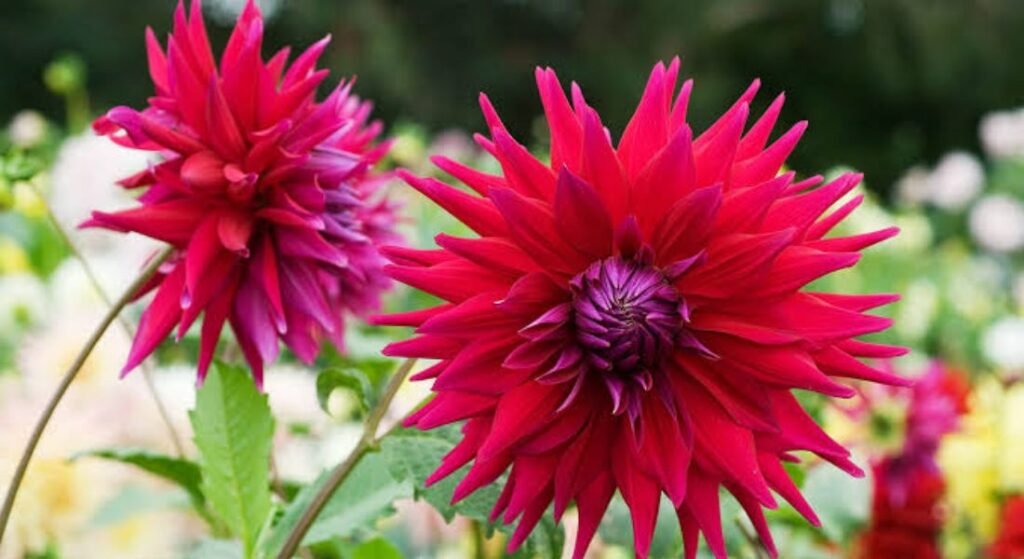
Dahlias reach their peak performance when cooler night temperatures enhance petal formation and color depth. Native to Mexico and Central America, these tuberous perennials require full sunlight and well-draining soil to prevent root rot.
Dahlia blossoms range from compact 2-inch pompons to massive 12-inch “dinner plate” varieties. Popular autumn varieties include ‘Cafe au Lait’, ‘Thomas A. Edison’, and ‘Cornel’, which offer rich autumn tones for fresh floral arrangements.
Chrysanthemums: The Quintessential Fall Bloom
Chrysanthemums, commonly called mums, provide high-density color late in the season. These hardy perennials form rounded mounds covered in double, semi-double, or single blooms.
Shortened photoperiods naturally trigger flowering during early autumn. Choosing hardy garden mums over florist mums ensures plant survival through winter, as hardy strains produce underground stolons that withstand cold soil temperatures.
Supporting Wildlife and Pollinators in Autumn
Late-season blossoms play a vital role in supporting pollinators preparing for winter or migration. Monarch butterflies rely heavily on nectar sources like Goldenrod (Solidago) and Asters during their southward migration.
Native bees, bumblebees, and beneficial wasps forage on simple, open-faced blooms to store resources. Planting single-petal flower varieties rather than overly dense double blooms ensures easy access to nectar and pollen.
Essential Garden Maintenance for Early Autumn
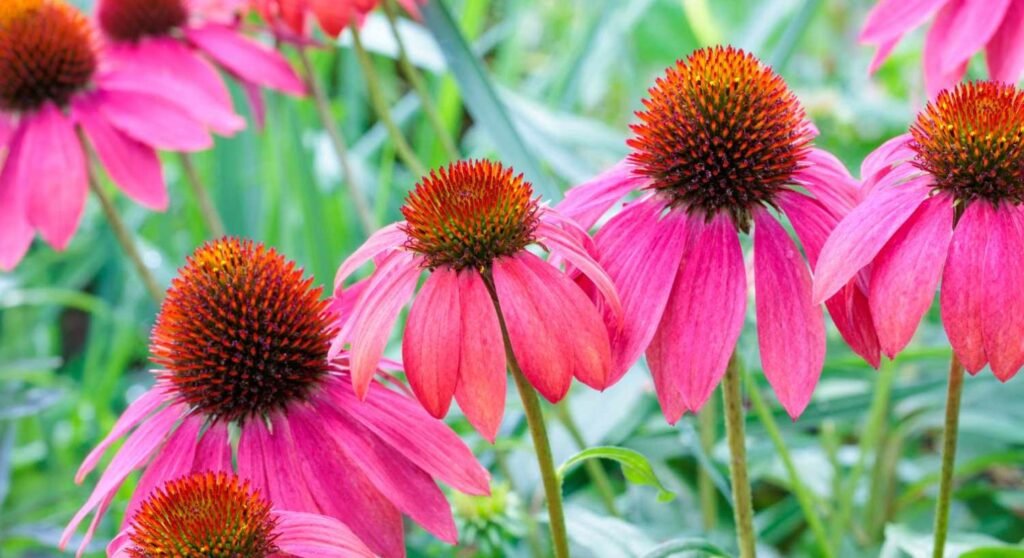
- Deadheading: Regularly remove spent blooms from dahlias, marigolds, and zinnia varieties to encourage continuous flowering through October.
- Division: Lift and divide overcrowded spring and summer perennials like hostas, daylilies, and irises while the soil retains summer warmth.
- Watering Adjustments: Reduce irrigation frequency as ambient temperatures drop, but ensure deep watering during dry spells to support root development.
- Mulching: Apply a 2-inch layer of organic mulch around late-season root zones to conserve moisture and regulate soil temperature.
- Soil Testing: Test soil pH and nutrient levels in autumn to prepare beds for spring planting amendments.
Designing Cut Flower Arrangements for Autumn
Creating floral arrangements with late-season blooms involves balancing rich textures with contrasting scales. Combine large focal blooms like Dahlias with mid-sized Asters and structural accents like Goldenrod or Sedum.
Incorporate woody branches, ornamental grasses, or seed pods to build natural shape and depth. Selecting stems with tight, partially opened buds extends overall vase life up to seven days.
Preserving and Drying Late-Season Blossoms
Drying autumn blossoms preserves their color for seasonal wreaths and winter decor. Flowers with lower moisture content, such as Sedum, Statice, and Globe Amaranth, yield the best results when air-dried.
Gather stems into small bundles using rubber bands, then hang them upside down in a dark, dry, well-ventilated space for 2–3 weeks. Alternatively, place delicate petals like asters in silica gel granules to preserve their structural shape and vibrant color.
Soil Preparation and Autumn Planting Strategies
Early autumn offers ideal soil conditions for establishing new perennial beds. The ground remains warm from summer heat, while cool air temperatures reduce plant stress during transplanting.
Work compost or aged manure into the top 8 inches of soil to improve texture, water retention, and microbial activity. Planting spring-flowering bulbs like Daffodils and Alliums during this window gives roots ample time to establish before winter.
Conclusion
September flowers mark a unique seasonal transition in the garden, combining vivid colors, varied textures, and rich botanical history. From the star-shaped petals of the aster to the climbing vines of the morning glory, these late-season blooms bring lasting value to garden beds and fresh floral arrangements alike. Selecting appropriate cultivars, maintaining consistent autumn soil care, and supporting native pollinators allows gardeners and flower enthusiasts to make the most of this rich late-season harvest.
Frequently Asked Questions
What are the official birth flowers for September?
The official birth flowers are the Aster (primary) and the Morning Glory (secondary). Asters symbolize wisdom and faith, while Morning Glories represent affection and renewal.
Which plants are best to set out in early autumn for spring blooms?
Early autumn is ideal for planting spring-flowering bulbs such as Daffodils, Crocuses, Hyacinths, and Alliums. You can also sow hardy annual seeds like poppies and cornflowers during this window.
How do I care for cut asters to make them last longer in a vase?
Trim the stems at a 45-degree angle under water, remove lower leaves that fall below the waterline, and place them in a clean vase filled with lukewarm water and flower food. Change the water every two days.
Are morning glories easy to grow in home gardens?
Yes, morning glories are low-maintenance annual climbing vines that grow quickly from seed in full sunlight and well-drained soil. They bloom continuously from mid-summer until the first frost.
Why do dahlias bloom better in September flowers’ peak month than in July?
Dahlias prefer moderate temperatures; extreme summer heat can temporarily pause flower production. Cool night temperatures in early autumn promote vibrant petal coloration and larger bloom size.