

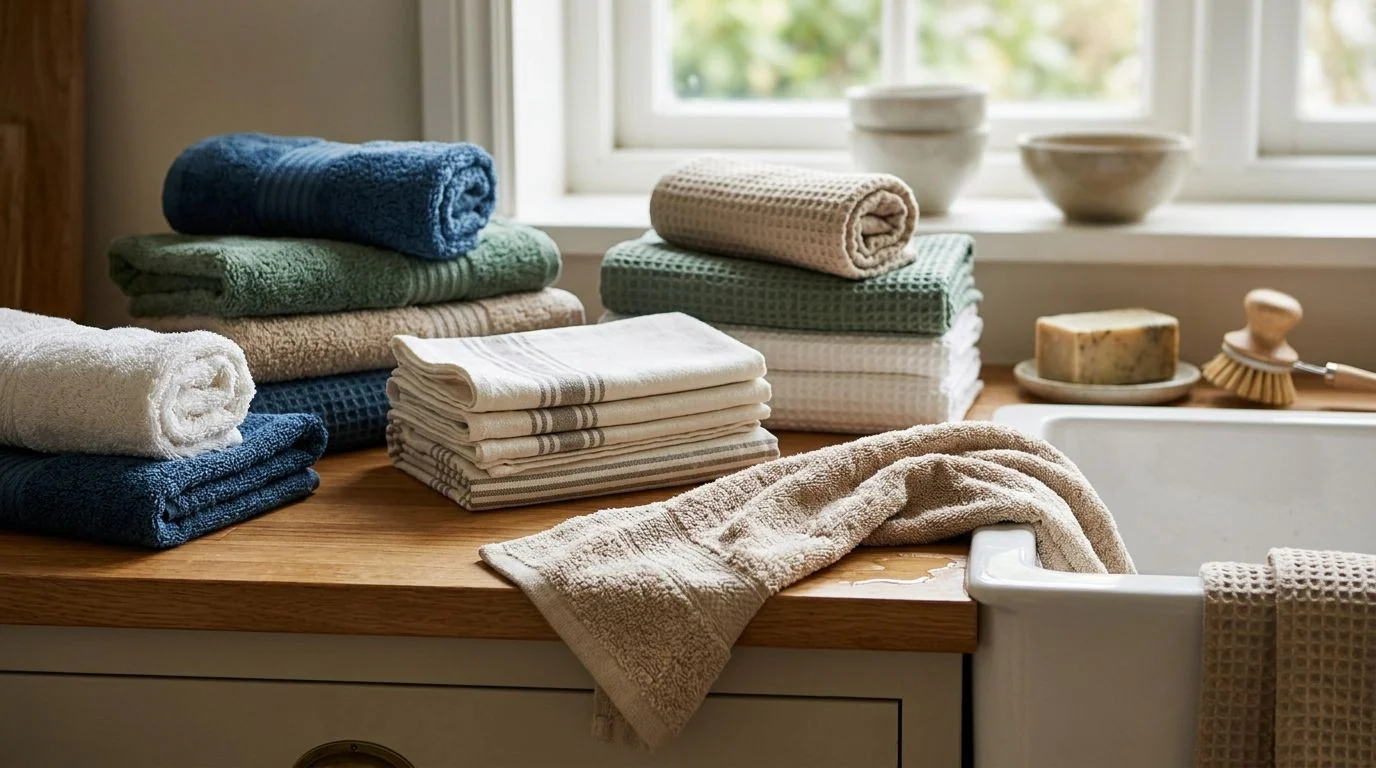
Water splashes and damp worktops are part of cooking in a busy family kitchen. Leaving puddles on timber or stone surfaces can damage finishes and create slippery hazards. Cheap synthetic cloths often push water across the counter rather than soaking it up.
Switching to natural woven fibres is a reliable way to keep preparation zones clean and dry. Read on to learn how cotton hand towels absorb moisture in your kitchen.
Maximising Natural Fibre Liquid Retention
Plant-based cellulose fibres naturally attract and hold water molecules in their structure. Cotton Hand Towels absorb liquid through capillary action when used to clean a wet counter. Unlike polyester cloths that repel moisture at first touch, cotton absorbs spills on contact.
High absorbency reduces your reliance on single-use paper rolls during daily meal preparation. One quick pass over a damp worktop leaves the surface dry and free from streaks. You spend less time mopping up after washing vegetables or rinsing cookware.
Preventing Harmful Kitchen Bacterial Growth
Standing water on kitchen counters creates damp conditions where household bacteria multiply. Wet wooden boards and pooled sink edges can encourage mould growth over time. Keeping surfaces dry with absorbent linens helps maintain a cleaner food preparation area.
Consider how quick drying protects your kitchen hygiene:
- Eliminating Surface Puddles: Promptly drying counters removes the moisture that bacteria need to survive around prep zones
- Drying Fresh Produce: Patting washed herbs and salad leaves dry keeps ingredients crisp and stops water from diluting dressings
- Wiping Down Appliances: Removing steam condensation from kettles and toasters prevents water spots and surface corrosion
- Drying Wooden Boards: Wiping chopping blocks after rinsing stops excess water from soaking into timber seams
Handling Cooking Oil and Light Grease
Preparing meals on the hob often leaves fine splashes of cooking oil across surrounding tiles and worktops. Synthetic microfibre cloths can smear light grease around unless paired with heavy detergents. Textured cotton weaves lift minor oil splatters and trap residue in the fibres.
Because cotton tolerates warm machine washes well, you can launder soiled kitchen linens thoroughly after cooking. Regular washing lifts trapped oils so the cloth stays fresh and absorbent for the next meal.
Protecting Your Expensive Kitchen Investments
Modern kitchens feature timber cabinetry, natural stone benchtops, and cast iron cookware that react poorly to prolonged moisture. Letting water sit around tap bases or cabinet edges leads to swelling, staining, or rust. Drying these surfaces after use helps preserve your kitchen fittings.
Here is how daily moisture control protects your kitchen materials:
- Protecting Timber Cabinetry: Wiping drips off wooden cupboard doors prevents moisture from lifting the finish or swelling edges
- Maintaining Stone Benchtops: Removing tap water quickly stops mineral deposits from dulling marble or granite surfaces
- Preserving Cast Iron Cookware: Hand drying heavy pans straight after washing prevents surface rust from forming
- Saving Glass Hobs: Wiping away boiled-over water stops mineral marks from baking onto ceramic glass plates
Improving Your Daily Culinary Workflow
Cooking a multi-step dinner goes smoothly when your workspace stays dry and organised. Stopping repeatedly to fetch paper towels interrupts your rhythm at the stove. Keeping a dedicated absorbent towel within reach lets you dry your hands and clear spills in seconds.
Dry hands also give you a safer, firmer grip on sharp chef knives and hot pan handles. Each wipe resets your worktop for the next task without cluttering the bin with wet paper.
Keep Your Culinary Zone Pristine
Managing daily kitchen splashes comes down to having dependable, absorbent textiles within arm’s reach. Natural cotton linens soak up water fast, protect vulnerable worktops, and keep your hands dry while you handle cookware. Upgrading your kitchen cloths reduces paper waste while supporting cleaner food preparation habits.
Swap out thin, non-absorbent rags that only smear water across your counters. Refresh your kitchen rails today and enjoy drier, tidier worktops every time you cook.