

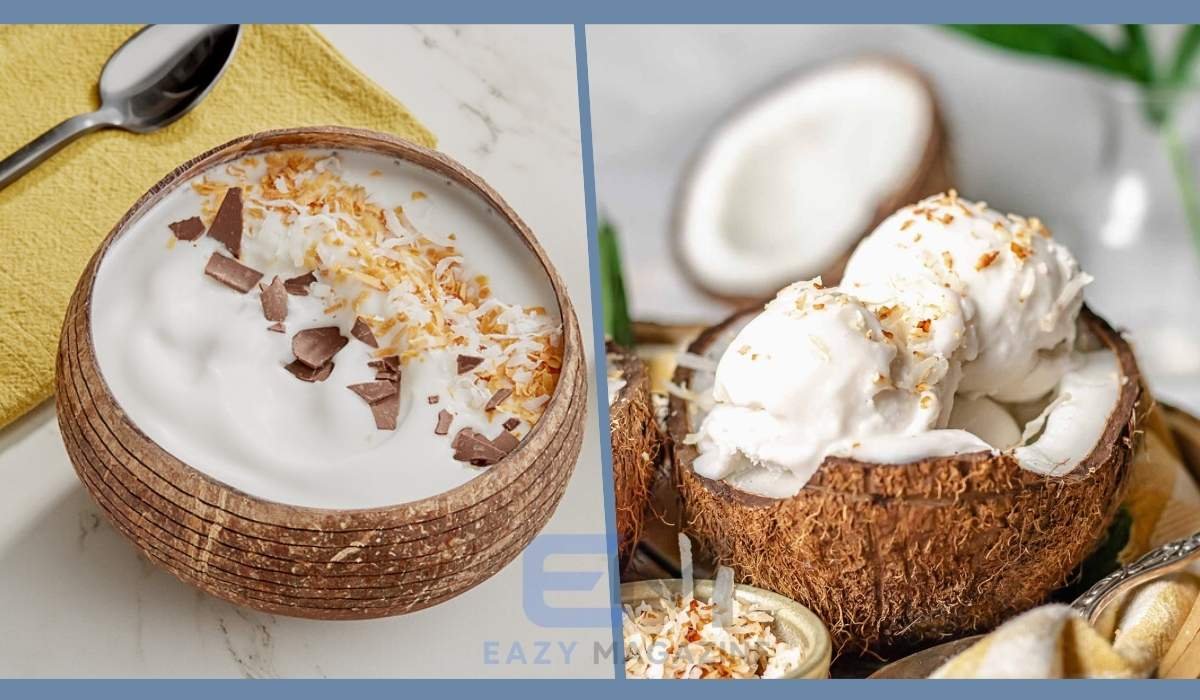
The world of functional nutrition constantly evolves, yet few health trends capture the culinary imagination quite like the vibrant pairing known as coconut acai. Originating from the lush tropical regions of South America and Southeast Asia, this superfood combination merges the rich, velvety texture of tropical coconut with the deep, earthy richness of the Amazonian acai berry. Modern wellness enthusiasts praise coconut acai not merely for its striking purple hue and delicious taste, but for its extraordinary concentration of essential nutrients, healthy fatty acids, and free-radical-fighting antioxidants. Incorporating this dynamic duo into your daily meal routine offers a refreshingly accessible method to support long-term physical vitality, digestive health, and cellular repair without compromising on natural flavor.
Understanding the deep historical roots of these unique botanicals illuminates why their combination is so uniquely potent. Indigenous Amazonian populations have harvested the dark purple berries of the Euterpe oleracea palm tree for centuries, relying on them as a foundational dietary staple and vital energy source. Simultaneously, coastal tropical cultures across the Indo-Pacific have revered the versatile coconut tree (Cocos nucifera) as the ultimate source of nourishment, utilizing its water, milk, and healthy oil for both internal sustenance and external holistic medicine. When modern plant-based nutritionists began blending frozen acai pulp with coconut cream, they unlocked a synergistic culinary pairing where the medium-chain triglycerides of the coconut actively enhance the biological absorption of the acai berry’s fat-soluble vitamins and antioxidants.
What Is Coconut Acai?
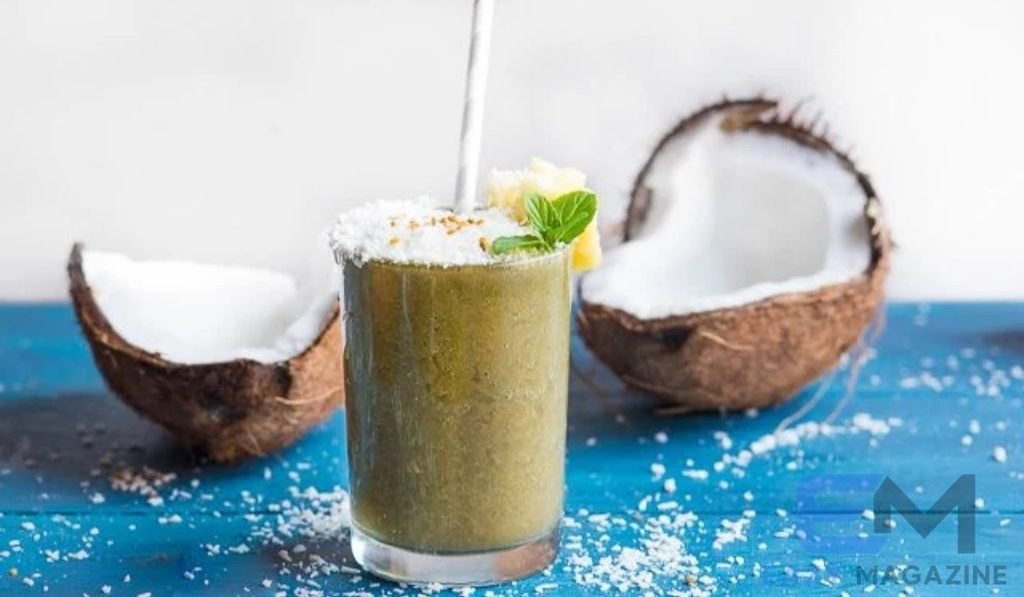
At its core, coconut acai represents a thoughtfully crafted tropical synergy that combines the processed pulp of raw acai berries with the rich milk, water, or oil extracted from fresh coconuts. The acai berry itself is a small, round drupe containing a large seed, meaning only the thin outer skin and surrounding fruit pulp are processed for human consumption. Because raw acai spoils rapidly within 24 hours after harvesting, processors immediately freeze or freeze-dry the wild berries into concentrated purees or nutritional powders. When blended with smooth coconut milk or coconut water, the intense tartness and slightly bitter, dark-chocolate flavor notes of the raw acai become perfectly balanced by the natural sweetness and smooth fatty texture of tropical coconut.
The biological chemistry behind combining these two raw ingredients produces a remarkable nutrient delivery system. Pure acai fruit pulp is inherently low in natural sugar compared to other fruits, but it contains a high proportion of plant-based polyunsaturated and monounsaturated fatty acids. Coconut flesh complements this profile by supplying stable saturated fats known as medium-chain triglycerides (MCTs), alongside key minerals like potassium and manganese. By bringing these two nutrient-dense powerhouses together into a unified food product, culinary creators produce an exceptionally satisfying base ideal for functional smoothies, nutrient-dense breakfast bowls, frozen plant-based desserts, and hydrating wellness beverages that sustain long-lasting physical energy levels.
Nutritional Breakdown of Coconut Acai
Evaluating the nutritional value of a standard coconut acai blend reveals an impressive concentration of essential macronutrients and delicate micronutrients necessary for human vitality. A typical 100-gram serving of unsweetened coconut acai puree provides approximately 110 to 140 calories, depending on the precise ratio of coconut milk to acai fruit pulp used in the formulation. This serving delivers roughly 8 to 10 grams of healthy dietary fats, 4 to 6 grams of total carbohydrates, and 3 to 4 grams of dietary fiber. Remarkably, pure unsweetened coconut acai contains less than 2 grams of naturally occurring sugar, making it an ideal candidate for low-glycemic, ketogenic, or diabetic-conscious meal plans.
Beyond basic macronutrients, this rich tropical combination shines brightly in its micro-nutritional density and trace mineral content. The mixture acts as an excellent dietary source of vitamin A, vitamin E, calcium, iron, and potassium, while also containing essential trace minerals like copper and magnesium. The lipid structure supplied by the coconut lipids is particularly valuable because human digestive biochemistry requires healthy fats to efficiently absorb fat-soluble compounds like beta-carotene and tocopherols. Consuming acai alongside the lipid matrix of coconut guarantees that your body efficiently assimilates these precious micronutrients through the intestinal lining into the bloodstream.
The Power of Anthocyanins
The deep, dark purple pigmentation characteristic of fresh coconut acai blends stems directly from an extraordinary concentration of natural plant compounds called anthocyanins. Anthocyanins are water-soluble flavonoid pigments that act as powerful biological antioxidants within human tissues, helping to neutralize harmful free radicals generated by environmental stress, metabolic waste, and ultraviolet radiation exposure. Clinical laboratory studies consistently demonstrate that acai berries contain significantly higher concentration levels of anthocyanins than traditional dark fruits such as blueberries, blackberries, or red grapes.
When you regularly consume coconut acai, these anthocyanin compounds actively work to mitigate oxidative damage at the cellular level throughout your vascular system. Scientific research published in 2011 highlighted that systemic anthocyanin consumption supports endothelial function, helping blood vessels maintain healthy dilation and flexibility over time. Furthermore, the structural stability provided by coconut’s natural fatty acid matrix protects these delicate anthocyanins during human digestion, allowing a higher percentage of the active antioxidant molecules to survive gastric acid breaking down in the stomach and successfully reach your cellular tissues.
Healthy Fats: MCTs and Omega Fatty Acids

A major distinguishing feature of coconut acai compared to typical fruit blends is its rich concentration of healthy, supportive dietary fats. Coconuts are renowned globally as one of nature’s richest sources of medium-chain triglycerides (MCTs), most notably lauric acid, caprylic acid, and capric acid. Unlike longer-chain saturated fats found in conventional animal products, MCTs bypass traditional complex lipid digestion and travel directly from the liver to be rapidly metabolized into clean, usable cellular energy.
Complementing these saturated MCTs from coconut are the beneficial unsaturated fatty acids naturally packed inside the acai fruit pulp. Pure acai berries contain significant amounts of oleic acid (an omega-9 fatty acid commonly associated with heart-healthy olive oil) and linoleic acid (an essential omega-6 polyunsaturated fat). This precise combination of quick-burning coconut MCTs alongside cardio-protective unsaturated omega fats creates a unique lipid balance that promotes long-lasting physical satiety, reduces sudden hunger spikes, and provides sustained mental clarity throughout your busy workday.
Key Health Benefits of Coconut Acai
Boosts Antioxidant Activity and Fights Oxidative Stress
Every single day, human metabolic processes and environmental factors like atmospheric pollution produce reactive oxygen species that cause cumulative tissue damage known as oxidative stress. Over time, unchecked oxidative stress damages cellular membranes, structural proteins, and biological DNA strands, accelerating physical aging and contributing to systemic chronic health issues. Incorporating coconut acai into your weekly diet floods your biological system with potent antioxidants, including cyanidin-3-glucoside and ferulic acid, which actively intercept oxidative compounds before they cause tissue degradation.
The combined synergy of antioxidants in coconut acai offers superior protection compared to consuming single isolated nutrients in synthetic supplement formats. The natural plant compounds present in frozen acai fruit pulp work synergistically with the protective properties of coconut lipids to neutralize multiple types of cellular free radicals simultaneously. Regular dietary consumption helps maintain balanced systemic inflammatory responses, ensuring your cells remain resilient against everyday environmental stressors while optimizing overall physical vitality and metabolic endurance as the years progress.
Supports Cardiovascular Health and Circulation
Maintaining a healthy cardiovascular network requires consistent dietary support focused on reducing systemic vascular inflammation and keeping serum cholesterol ratios within optimal balanced ranges. The unique fatty acid composition within coconut acai plays an active role in promoting long-term heart health through several complementary biological mechanisms. The oleic acid found in rich acai fruit helps preserve healthy levels of high-density lipoprotein (HDL) cholesterol, while helping prevent the harmful oxidation of low-density lipoprotein (LDL) particles within major blood vessel walls.
Concurrently, the high concentration of natural plant sterols and anthocyanins in coconut acai encourages the production of nitric oxide within the delicate endothelial lining of arterial walls. Nitric oxide signals vascular muscle tissue to relax and dilate naturally, promoting smooth systemic blood circulation and supporting healthy baseline blood pressure levels. Furthermore, the essential minerals potassium and magnesium supplied by coconut water or milk play a crucial structural role in regulating normal heart rhythm contraction and maintaining optimal fluid balance across cell membranes.
Enhances Brain Function and Mental Clarity
Sustaining high-level cognitive performance, memory retention, and mental focus requires steady cellular energy delivery and protection against neuro-inflammation. As individuals age, metabolic efficiency within brain cells can decline, making neurons increasingly vulnerable to oxidative stress and cellular waste buildup. The unique biochemical structure of coconut acai provides targeted support for brain function through the combined action of neuro-protective antioxidants and rapidly accessible ketone precursor fats.
The medium-chain triglycerides (MCTs) derived from coconut travel directly to the human liver, where they can be quickly converted into ketones—an alternative, highly efficient energy fuel source for human brain cells. Simultaneously, the potent anthocyanins in dark acai fruit cross the delicate blood-brain barrier, where research suggests they help stimulate natural autophagy processes. This essential biological self-cleaning process removes damaged cellular proteins and debris from brain tissue, helping preserve sharp memory, visual spatial learning, and fast mental focus well into your older years.
Promotes Digestive Health and Gut Microbiome Balance
Optimal health relies entirely on maintaining a strong, balanced digestive system capable of breaking down nutrients cleanly while protecting against systemic inflammation. A unsweetened serving of coconut acai offers substantial digestive benefits by delivering a balanced ratio of soluble and insoluble dietary fibers alongside natural prebiotic substrate compounds. Insoluble fiber adds gentle physical bulk to intestinal contents, encouraging smooth, regular bowel motility and preventing uncomfortable sluggish digestion.
Meanwhile, the soluble fiber fractions and natural polyphenols inside coconut acai serve as vital prebiotic food for beneficial gut microflora, such as Bifidobacteria and Lactobacillus species. A thriving, well-nourished gut microbiome produces crucial short-chain fatty acids like butyrate, which strengthen the delicate structural integrity of the intestinal mucosa layer. Additionally, the natural lauric acid provided by coconut possesses gentle anti-microbial and anti-fungal properties, helping maintain a healthy balanced internal microbial environment throughout the small and large intestines.
Nourishes Skin Radiance and Cellular Anti-Aging
The structural appearance, elasticity, and youthful glow of human skin reflect internal nutritional status and systemic oxidative balance. Constant exposure to solar ultraviolet rays and atmospheric pollutants degrades structural collagen and elastin fibers within the dermal layer, leading to premature fine lines, uneven skin tone, and lost firmness. Consuming coconut acai delivers a concentrated internal shield of skin-supporting nutrients, including vitamin A, vitamin E, essential fatty acids, and protective plant polyphenols.
The high lipid content supplied by coconut helps reinforce the natural lipid barrier of skin cell membranes, preventing transepidermal water loss and preserving smooth hydration from the inside out. Simultaneously, the anthocyanins and polyphenols from acai actively inhibit tissue-degrading enzymes such as collagenase and elastase. Regular dietary inclusion of coconut acai helps soothe superficial skin irritation, protects cellular membranes against oxidative damage, and encourages a vibrant, healthy skin complexion over time.
Supports Weight Management and Metabolism
Achieving and maintaining a comfortable body composition requires nutrient-dense food choices that naturally stabilize appetite and prevent drastic blood sugar fluctuations. Traditional sugary snacks and refined fruit smoothies cause rapid blood glucose spikes followed by sharp insulin crashes, triggering intense cravings shortly after eating. Unsweetened coconut acai acts as a powerful nutritional tool for healthy weight management due to its uniquely low glycemic index, robust dietary fiber content, and healthy fatty acid foundation.
When you consume the medium-chain triglycerides (MCTs) found in coconut, they stimulate the release of key satiety hormones, including peptide YY (PYY) and leptin, signaling your brain that you are comfortably satisfied. At the same time, the fiber content slows down overall gastric emptying rates, ensuring a steady, prolonged absorption of nutrients without triggering sudden glucose spikes. Incorporating a nutrient-dense coconut acai bowl into your morning routine can reduce afternoon snack cravings, keep your metabolic engine running smoothly, and support sustained daily calorie balance.
How to Prepare Coconut Acai at Home
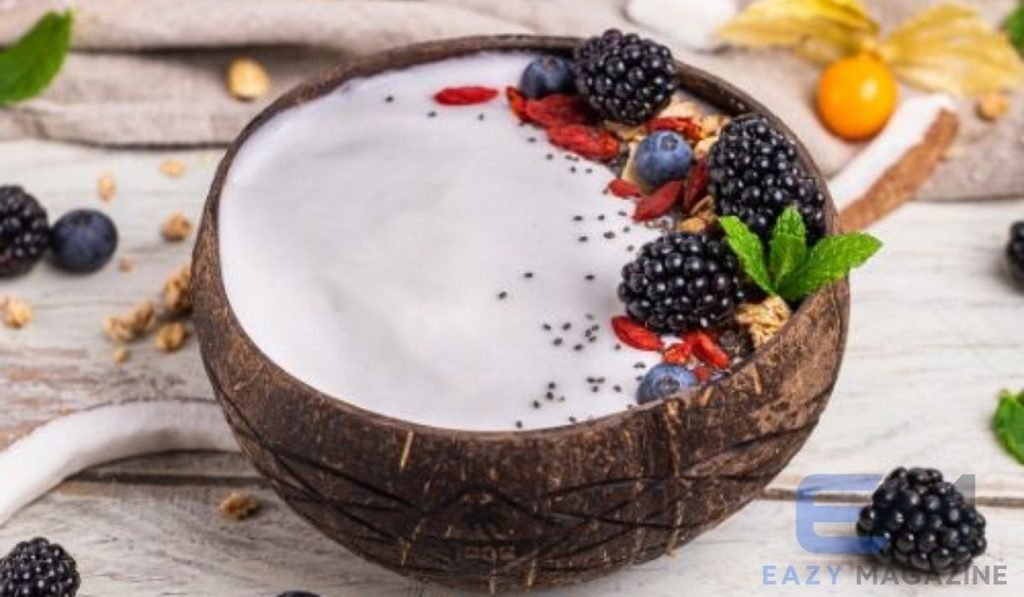
Crafting a luxurious, cafe-quality coconut acai bowl or smoothie in your home kitchen is remarkably simple, provided you understand a few key culinary techniques. The primary secret to achieving an exceptionally thick, creamy, scoopable consistency lies in controlling total liquid content and utilizing fully frozen ingredients. Always select unsweetened frozen acai pulp packs rather than heavily sweetened fruit juices or pre-processed commercial powders, which often contain excessive added cane sugars and artificial stabilizing gums.
Begin by slightly thawing two unsweetened frozen acai packs under cool running water for just 10 to 15 seconds so you can easily break the frozen block into smaller chunks. Transfer these frozen acai pieces into a high-powered blender container along with one-half cup of thick, full-fat canned coconut milk or coconut cream. To achieve a naturally creamy, balanced texture without adding refined sugar, add one-half of a frozen banana or one-half cup of frozen avocado chunks. Secure the blender lid and process on low speed, using the blender tamper tool to actively press the dense frozen mixture down into the spinning blades until a completely smooth, rich purple sorbet texture forms.
Pour the thick blended base directly into a chilled glass bowl and immediately customize your dish with healthy, functional food toppings. Layer crunchy raw chia seeds, hemp hearts, toasted unsweetened coconut flakes, and a small handful of fresh organic blueberries or sliced strawberries across the top surface. For an extra boost of healthy fats and plant-based protein, drizzle one tablespoon of smooth raw almond butter or creamy cashew butter over the bowl. This balanced creation yields a magnificent, nutrient-dense meal that looks beautiful, tastes incredible, and provides hours of sustained energy.
Culinary Variations and Recipe Ideas
The inherent culinary versatility of coconut acai allows for endless creative variations tailored to different dietary preferences, fitness goals, and seasonal occasions. For individuals following a strict ketogenic lifestyle, replace the high-carb frozen banana with one-half cup of frozen cauliflower rice and one tablespoon of pure MCT oil, creating a rich, keto-friendly breakfast bowl containing minimal net carbohydrates. For active athletes looking for optimal post-workout muscle recovery, blend one scoop of unsweetened plant-based pea protein powder directly into the coconut milk and acai base prior to processing.
If you prefer portable, hydrating options for busy mornings on the go, transform the thick bowl into an invigorating coconut acai wellness smoothie. Simply increase the liquid base by blending the frozen acai pack with one cup of pure coconut water instead of thick coconut cream, and add a fresh handful of dark organic spinach or baby kale. The mild flavor of the greens is completely masked by the rich tropical berry taste, resulting in a nutrient-dense, alkalizing green beverage packed with natural electrolytes, biological chlorophyll, and potent antioxidant compounds perfect for effortless daily hydration.
Potential Side Effects and Precautions
While pure coconut acai is exceptionally safe, nourishing, and well-tolerated by the vast majority of healthy individuals, there are a few practical health precautions to consider. The most common pitfall associated with commercial acai products sold at mainstream smoothie shops is the widespread inclusion of high amounts of added sugar. Many commercial establishments blend acai with artificial fruit concentrates, sweetened soy milk, and heavy sugar syrups, turning an otherwise healthy superfood into a high-calorie dessert that can cause rapid blood sugar spikes and unintended weight gain.
Additionally, individuals with specific underlying medical conditions should consume coconut acai mindfully and consult their healthcare physician when necessary. Because acai berries are rich in natural potassium, individuals with severe kidney dysfunction or those taking potassium-sparing cardiovascular medications must track their overall daily mineral intake carefully. Furthermore, those with known tree nut allergies should confirm whether they tolerate coconut safely, as botanically coconut is classified as a fruit, but regulatory health agencies often categorize it alongside traditional tree nuts.
How to Select and Store Quality Coconut Acai Products
Selecting high-quality ingredients at your local grocery store ensures you gain maximum nutritional benefits without unwanted additives or environmental contaminants. When shopping for frozen acai pulp, always carefully inspect the ingredient declaration label on the back of the package. Look for products that list only organic acai pulp and water, explicitly avoiding brands that add high-fructose corn syrup, cane sugar, soy lecithin, or synthetic chemical preservatives. Choosing products certified as USDA Organic and Fair Trade Certified guarantees that the berries were sustainably harvested in the Amazon basin without harmful synthetic pesticides.
When purchasing coconut products to pair with your acai, select unsweetened, organic canned coconut milk or simple coconut water packaged in BPA-free containers without added sugar or sodium metabisulfite preservatives. Store frozen acai pulp packs continuously in your home freezer at or below 0 degrees Fahrenheit (-18 degrees Celsius) to protect delicate anthocyanin antioxidants from heat degradation. Unopened canned coconut milk should be stored in a cool, dark pantry, while any leftover opened liquid coconut milk must be transferred to a sealed glass container, stored in the refrigerator, and consumed within 4 to 5 days for optimal freshness.
Conclusion
The dynamic combination of coconut acai stands out as a true superstar in the realm of modern functional nutrition. By merging the powerful, free-radical-fighting anthocyanins of Amazonian acai berries with the rich, energy-boosting medium-chain triglycerides of tropical coconut, this superfood pairing delivers an impressive array of verified physical health benefits. From protecting long-term cardiovascular function and sharpening mental clarity to supporting healthy gut digestion and nourishing radiant skin, incorporating unsweetened coconut acai into your weekly diet offers a delicious, sustainable pathway toward achieving optimal long-term vitality and lifelong wellness.
Frequently Asked Questions
1. Is coconut acai safe to consume every day?
Yes, consuming pure, unsweetened coconut acai daily is completely safe and highly beneficial for most healthy adults. It delivers a balanced spectrum of dietary fiber, healthy fats, and protective antioxidants. However, ensure your total portion sizes align with your personal daily calorie needs, and always select unsweetened bases to prevent unnecessary added sugar intake.
2. Can coconut acai help with weight loss efforts?
When prepared without added sugars, coconut acai can effectively support healthy weight loss. The combination of dietary fiber from acai and healthy medium-chain triglycerides (MCTs) from coconut helps promote long-lasting satiety, curb mid-day food cravings, and prevent sudden insulin spikes that trigger body fat storage.
3. Does coconut acai contain high amounts of natural sugar?
Pure, unsweetened acai berries are naturally very low in sugar, containing less than 1 gram of sugar per serving. Coconut milk and coconut water are also low in natural sugars compared to sweet fruit juices. However, pre-made commercial cafe bowls often contain high amounts of added sugar, making it essential to prepare your meals at home or request unsweetened bases when ordering out.
4. What is the best time of day to eat coconut acai?
Coconut acai is exceptionally versatile and can be enjoyed at any time of day. It makes an ideal nutrient-dense breakfast base that delivers sustained morning energy without causing a mid-morning energy crash. Alternatively, it serves as a wonderful post-workout recovery meal or a healthy, refreshing afternoon snack.
5. Is coconut acai suitable for keto and low-carb diets?
Yes, unsweetened coconut acai is suitable for ketogenic and low-carb eating plans. Because raw acai pulp is rich in healthy fats and low in net carbohydrates, pairing it with unsweetened coconut cream or coconut oil creates a rich, nutrient-dense keto meal option. Simply avoid high-sugar fruit toppings like bananas or sweetened granola.
6. Can pregnant or nursing women safely eat coconut acai?
Pure, pasteurized coconut acai products are generally completely safe and nutritious for pregnant or breastfeeding women. It supplies essential healthy fats, trace minerals, and protective antioxidants that support overall maternal health. As with any diet modification during pregnancy, consult your personal healthcare provider to confirm it meets your specific nutritional requirements.