

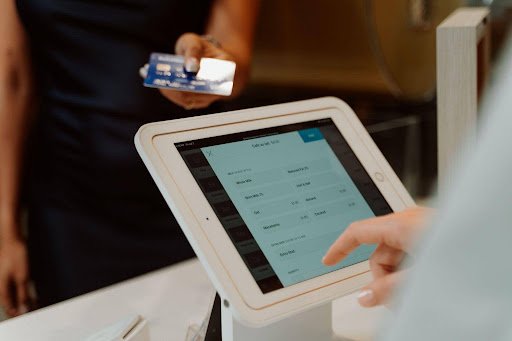
More customers, more transactions, more admin. That’s roughly what growth looks like, and a good chunk of it lands on your desk compared with a year ago. Plenty of British businesses still do payments and sales management largely by hand, too, and some of them seem weirdly fond of it. Every hour spent that way is an hour not spent on customers. Or on figuring out where things go next. Streamlining was once a job for “at some point.” Now it’s pretty close to essential, at least if you’d rather not fall behind.
Below you’ll find why efficient payment and sales systems matter, the features worth having, and how to bring them in without your normal week going sideways.
Why Streamlined Payments Matter
The obvious stuff shows up first. Update your payment setup, and things move quicker and cost less. Think of manual reconciliation, or paper invoices, or the card terminal that’s been dying slowly for about two years. You don’t see those costs clearly. They pile up anyway. Once the tasks are automated, your staff get hours back, and you make fewer of the mistakes that end up costing real money.
Then there’s cash flow. Seeing transactions as they come in makes forecasting a lot more reliable, and your decisions on stock, staffing, and investment get better along with it. Beats squinting at last month’s bank statement and hoping.
Customers notice as well. Checkout is faster. They pay however they want (contactless card, digital wallet, whatever happens to be in their pocket), things run more smoothly, and they’re more likely to come back. Meanwhile, the data you’re collecting starts to show how people actually buy, which can turn up opportunities you’d probably have walked straight past.
Security and compliance get a lift from automated monitoring. Fraudsters aren’t getting any dimmer. Manual checks can’t really match the peace of mind of a system that spots odd activity by itself.
What to Look For in a Payment and Sales System
Some are better than others. Be picky.
Multi-channel payment acceptance isn’t optional now. People might want to pay by card one day, digital wallet the next, bank transfer after that, and your system should take all three without a fuss.
Real-time transaction tracking and reporting matter too. You see sales land as they happen rather than waiting on an end-of-day summary. Connect it properly to your accounting software and the bookkeeping more or less runs itself.
Got recurring billing or outstanding balances to deal with? Automated invoicing and payment reminders are especially handy then. Nobody likes chasing late payments, and this takes most of the awkwardness out of it.
Customizable dashboards and analytics are worth having as well. They keep the numbers you care about in front of you, whether that’s daily takings or how your customers tend to spend.
If you’re comparing providers, you might explore Zeller UK while you look into modern payment solutions that suit a growing operation.
Making the Changes Without the Disruption
Before choosing anything, figure out what your business actually needs. A system designed for a busy, high-volume retailer won’t necessarily suit a service business with fewer, bigger transactions. Sort your requirements out first. You’re far less likely to end up stuck with an expensive mismatch.
Don’t flip everything over at once, either. Stages work better, so maybe one location to start, or one payment type. Going slowly keeps the disruption down, and your team gets time to settle in.
Training tends to matter more than people expect. Even software sold as “intuitive” takes a bit of getting used to. When staff really understand the system, they use it better, and they’ll sort small problems out on their own instead of passing every single one up the chain.
When you’re live, keep an eye on:
- Processing times
- Error rates
- What customers are telling you
That’s how you learn what’s working and what isn’t. Keep tweaking based on real data rather than assumptions. Honestly, it’s ongoing. Not a project you finish, tick off, and forget.
Moving Toward Smarter Operations
Chasing new technology because it’s new isn’t the point of any of this. Getting rid of friction you don’t need is, because that leaves more room for what counts: serving customers well, and growing at a pace you can actually keep up with. So take an honest look at how things work right now. Find where the biggest inefficiencies sit. Then pick a solution that genuinely fits your business, not whichever one has the longest feature list.