

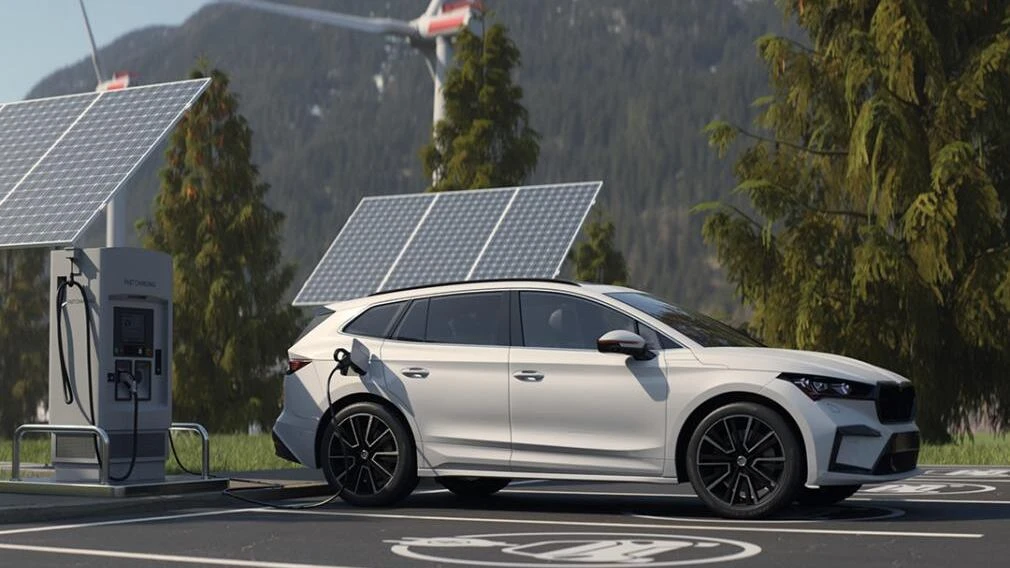
Americans can save on fueling costs, energy use, and even benefit from incredible tax incentives with electric vehicles (EVs) and energy-efficient home upgrades. However, there are restrictions on equipment purchased, dates of installation, income limits, and IRS requirements. This knowledge can save the homeowner and vehicle buyer expensive errors.
Check Details on Home Energy Credits
Federal incentives were available for EVs in the past and included the “Clean Vehicle Credit” for new EVs or the “Previously Owned Clean Vehicle Credit” for used EVs. A number of requirements were set forth in these programs that included vehicle assembly, battery sourcing, purchase price, and taxpayer income. Look for an expert (like an IRS audit attorney in San Diego) for some help regarding taxation.
Changes in Federal legislation brought in in 2025, however, put an end to the federal clean vehicle credits provided under Sections 30D and 25E for vehicles purchased after September 30, 2025, in general. Purchasing customers should check the date of acquisition and the transition rules for any purchases before assuming they are eligible.
If there are credits available for an eligible transaction, the following factors are important to consider:
- New cars vs. used cars: Eligibility has been based on modified adjusted gross income (MAGI) and set at lower amounts for new vs. used cars.
- Eligibility of vehicles: Vehicle manufacturer, model, battery requirements, and final assembly requirements have impacted eligibility.
- Point of sale benefits: If eligible, some of the benefits might be able to be applied towards the purchase price up-front, at the point of sale, without the need to wait to file a tax return. Rules and dealer participation were followed.
Be sure to check the latest IRS information when buying, and older online articles may list incentives that are no longer available.
Home Energy Credits: Equipment and Eligibility
Federal incentives for homes have likewise evolved. The 2025 legislation changes the general rule that the Residential Clean Energy Credit (Section 25D) and the Energy Efficient Home Improvement Credit (Section 25C) do not apply to qualifying expenditures made after December 31, 2025.
These programs paid for some improvements under certain rules for eligible prior expenditures:
- Residential clean energy rules: Qualifying solar panels, solar water heaters, geothermal heat pumps, and some battery storage projects may qualify.
- Insulation, exterior doors and windows, heat pumps, and other qualifying equipment, which can increase the energy efficiency of a home, may qualify for the home improvement credit. Look for an expert (when you are facing difficulty regarding IRS back tax relief)
- Installation requirements: Equipment specifications, applicable efficiency standards, dates of installation, and manufacturer documentation were important.
- Eligible for these credits, but with different income-cap requirements than EV credits. There were also some provisions with annual or lifetime caps.
These are some tips that can help you keep your tax savings safe:
As part of claiming an incentive, do the following:
- Verify the deadline: Ensure the time of acquisition or installation and time in service.
- Documentation: Maintain an invoice, purchase agreements, manufacturer certifications, installation records, and dealer credit transfers. Get a Criminal tax attorney if the situation is really bad.
- Check income: On programs that have MAGI limits, review income and filing status limits for the tax year in question.
- Don’t double count: Don’t forget to check if there are any rebates, grants, or other incentives that impact the eligible expense or tax treatment.
- Ensure the filing requirements are met: Ensure that the IRS form(s) are used and that the rules for the credit and tax year are followed.
Clean energy investments should be more affordable because of tax benefits; however, just because a discount is being advertised does not mean that the investor may qualify for those benefits. EV and residential energy credits have seen major updates from the federal government, so make sure to follow all guidelines with the IRS or a professional tax advisor prior to the purchase.
If you’re planning to file a claim, keeping accurate records, following up-to-date directions, and planning your claim well can help you make a good decision and won’t result in getting benefits that you’re not entitled to.