

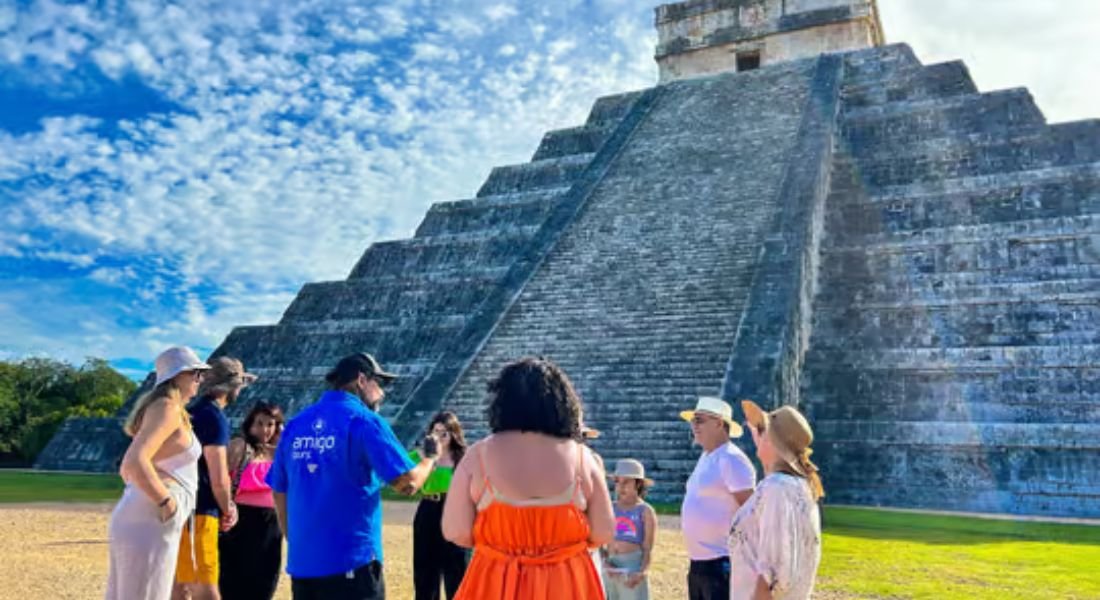
Tucked along the Emerald Coast of Yucatán, Mexico, Salinas Rosas—known officially as Salinera Rosa de Xtampú—is one of the most mesmerizing natural wonders in North America. Located near the quiet coastal town of Dzemul and the port of Telchac Puerto, these vibrant pink salt lakes captivate travelers, photographers, and nature lovers alike. Situated approximately 60 kilometers northeast of Mérida, Salinas Rosas offers a rich blend of ancient history, ecological marvels, and local community heritage. Visitors can witness pristine shallow pools reflecting bright magenta hues, graceful flamingos wading in coastal mangroves, and traditional salt workers preserving centuries-old harvesting methods.
The phenomenon of these pink salt beds extends far beyond visual beauty; it serves as a living bridge between modern eco-tourism and ancient Maya civilization. While many tourists travel to the better-known site of Las Coloradas, Salinas Rosas offers a far more intimate, sustainable, and culturally rich alternative. In this comprehensive guide, we explore the science behind the magenta water, the ancient commercial roots tied to the nearby Xcambo Maya archaeological site, and practical travel advice for your upcoming trip to Salinas Rosas.
| Official Name | Salinera Rosa de Xtampú (Salinas Rosas) |
| Location | Xtampú, Municipality of Dzemul, Yucatán, Mexico |
| Distance from Mérida | ~60 km (approx. 55 minutes drive) |
| Primary Industry | Artisanal salt extraction & eco-tourism |
| Managing Entity | Meyah Ta’ab Local Cooperative |
| Historical Period | Active since the Maya Classic Period (200 CE – 600 CE) |
| Adjacent Archaeological Site | Xcambo (Xcambó) |
| Key Biological Species | Dunaliella salina (algae), Artemia salina (brine shrimp), American Flamingos |
| Best Visiting Window | March to August (Dry season, 11:00 AM – 3:00 PM) |
| Entry Fee Range | 20 – 50 MXN (~$1.00 – $2.50 USD) |
What Are the Xtampú Salt Evaporation Ponds?
The famous pink lagoons refer to a network of active salt evaporation ponds located in Xtampú, within the municipality of Dzemul. These human-made shallow pools are filled with coastal seawater that slowly evaporates under the intense sun of the Yucatán Peninsula, leaving behind crystalline mineral crusts.
Worked for thousands of years, the site continues to operate as a functional salt mine today. Unlike industrial mining complexes, the extraction process remains largely artisanal. Local workers carefully manage water levels across different evaporation basins, allowing natural solar radiation and coastal winds to isolate rich, coarse salt crystals prized across the region.
Geographical Location in Yucatán
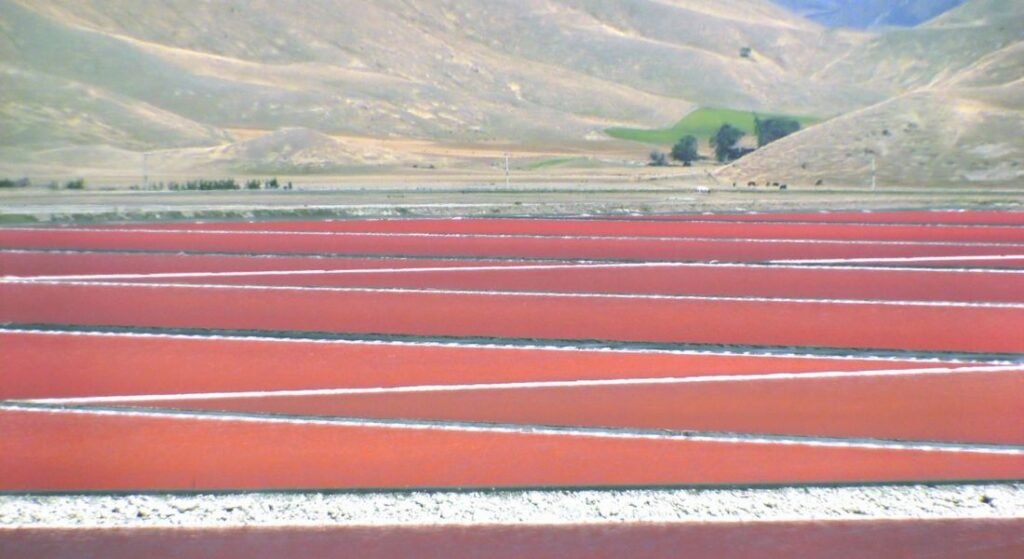
Situated along the northern coast of the peninsula, the salt pans benefit from a distinct coastal ecosystem surrounded by dense mangrove forests and coastal estuaries. The salt flats lie along Highway 27, nestled neatly between San Benito and Telchac Puerto.
This prime geographical position makes Salinas Rosas an effortless day trip destination from several major Yucatecan hubs. The site sits roughly 55 to 60 minutes from Mérida by car and just 30 minutes east of Progreso. Its proximity to the Gulf of Mexico provides a steady supply of mineral-rich saltwater necessary for continuous salt production.
The Science Behind the Pink Water
The striking magenta hue seen throughout the area is not caused by artificial dyes or industrial pollution, but rather by a fascinating biological reaction. As seawater evaporates in the shallow ponds, the salinity reaches extremely high levels.
This hypersaline environment is the ideal habitat for microscopic organisms, particularly Dunaliella salina, an algae species rich in carotenoids. Additionally, millions of microscopic brine shrimp known as Artemia salina thrive in these salt lakes. Together, these organisms produce reddish-pink pigments to protect themselves from intense solar radiation, giving Salinas Rosas its world-famous color.
Ancient Maya History and Xcambo Archaeological Site
Long before modern tourists discovered the area, the ancient Maya recognized the immense value of this coastal location. Just across the road from the salt flats lies Xcambo (also spelled Xcambó), an influential Maya archaeological site that flourished between 200 CE and 600 CE.
Xcambo served as a major commercial trading port and administrative hub dedicated primarily to salt production and distribution. The Maya harvested salt here and traded it throughout Mesoamerica, extending trade routes deep into modern-day Guatemala and central Mexico. Salt was essential for preserving food, religious rituals, and medicinal practices, making Salinas Rosas a cornerstone of the regional Maya economy.
The Revival of Meyah Ta’ab Local Salt Cooperative
In recent years, the management and preservation of the salt beds have been reinvigorated by local efforts. Production at Xtampú is actively run by Meyah Ta’ab, a local cooperative whose name translates from the Mayan language to “Salt Workers”.
Formed largely by former fishermen from Dzemul and surrounding coastal villages, the cooperative revived traditional salt mining techniques to build sustainable livelihoods. By visiting Salinas Rosas, travelers directly support local families, help preserve cultural traditions, and maintain community-led eco-tourism initiatives along the Emerald Coast.
Flora and Fauna Surrounding the Salt Flats
The biological richness of the area extends beyond its colorful waters into the surrounding wetland ecosystem. The hypersaline ponds are encircled by lush mangroves, providing critical habitat for diverse coastal wildlife.
The most famous animal inhabitants of the wetlands are the American Flamingos. These iconic pink birds feast on the Artemia salina brine shrimp and carotenoid algae found in the pools, which is precisely what gives the flamingos their characteristic pink plumage. Visitors to Salinas Rosas can also spot pelicans, cormorants, herons, and various migratory bird species throughout the year.
Best Time of Year to Visit
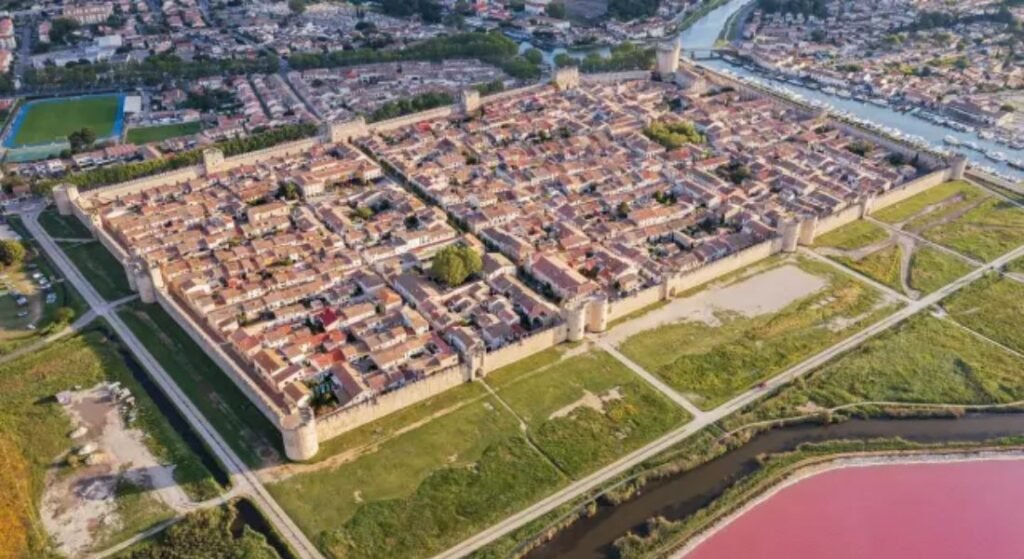
To experience the lagoons at their most vibrant, timing is everything. The color intensity of the salt flats depends heavily on rainfall, water evaporation rates, and sunlight levels.
The optimal time to plan your visit to Salinas Rosas is during the dry season, which runs from March through August. During these drier months, evaporation rates peak, increasing water salinity and concentrating the pink pigments. Conversely, heavy rains during the tropical wet season (September to November) can dilute the salt lakes, temporarily changing their shade from vivid pink to subtle pastel or pale brownish tones.
Best Time of Day for Optimal Photography
Photography enthusiasts should plan their arrival carefully to capture the most brilliant colors. Lighting conditions play a massive role in how vivid the landscape appears to the naked eye and on camera.
The absolute best window for photographing Salinas Rosas is between 11:00 AM and 3:00 PM. When the sun is directly overhead, light penetrates the shallow salt pools, illuminating the pink microorganisms and eliminating long shadows. Visiting on clear, sunny days will yield bright, saturated photographs of the striking landscape.
How to Get Here from Mérida
Reaching the salt lagoons from Mérida is straightforward, making Salinas Rosas a popular half-day or full-day excursion.
- By Rental Car: Drive north on Highway 176 toward Motul, then proceed north toward Telchac Pueblo and Telchac Puerto. From Telchac Puerto, turn west onto Highway 27 toward Xtampú. The total drive takes around 55 minutes.
- By Public Transport: Take a regular Noreste bus or colectivo from downtown Mérida to the town of Dzemul or Progreso. From Dzemul, local mototaxis or bicitaxis can transport you directly to the entrance.
- By Organized Tour: Numerous travel agencies in Mérida and Progreso offer day tours combining Salinas Rosas, the Xcambo ruins, and a stop at Telchac Puerto.
Visitors Guide: Entrance Fees and Expectations
One of the great advantages of visiting this location compared to other commercialized sites is its affordability and casual atmosphere.
The entrance fee to the cooperative area is nominal, usually around 20 to 50 Mexican Pesos (approx. $1.00 to $2.50 USD) per person. This fee grants access to wooden boardwalks, observation paths, and guided explanations from local cooperative members. Facilities at Salinas Rosas are minimal, featuring basic rustic stalls selling artisan salt, keychains, and cold beverages, so visitors should plan accordingly.
Hands-On Activities at the Salt Flats
A visit offers more than just scenic photo opportunities; it provides interactive cultural experiences. Guided walk-throughs explain how seawater is funneled through interconnected ponds to achieve optimal crystallization.
Visitors to Salinas Rosas can try their hand at traditional Maya salt-grinding using ancient stone tools. Additionally, some areas offer natural, mineral-rich mud scrubs known locally for their skin-rejuvenating properties. Before leaving, travelers can purchase packages of authentic coarse pink salt collected directly from the salt beds—a unique culinary souvenir.
Exploring Nearby Attractions: Xcambo and Telchac Puerto
Combining a visit to Salinas Rosas with neighboring points of interest makes for an unforgettable day trip along Yucatán’s coast.
Just hundreds of meters away, the Xcambo Archaeological Zone features climbable Maya pyramids, ancient ceremonial plazas, and an intriguing colonial-era chapel built directly atop ancient ruins. A short 10-minute drive east brings you to Telchac Puerto, a charming fishing village famed for fresh seafood restaurants, calm ocean waters, and relaxing beaches far removed from heavy tourist crowds.
Comparing Xtampú and Las Coloradas
Travelers researching Yucatán’s pink lakes often compare this site with Las Coloradas, located further east near Río Lagartos. While both offer stunning pink landscapes, Salinas Rosas holds several advantages for many visitors.
The site is much closer to Mérida (1 hour vs. 3.5 hours to Las Coloradas), making it far more accessible. Furthermore, Salinas Rosas offers lower entry costs, a less commercialized atmosphere, and immediate proximity to the Xcambo ruins. While Las Coloradas is larger in scale, this location provides a more peaceful, community-centered travel experience.
Environmental Conservation and Sustainable Tourism
Because the salt lakes form a delicate coastal ecosystem, responsible visitor behavior is critical to maintaining site health. High human foot traffic inside the salt ponds can disrupt the crystallization process and harm microbial colonies.
Visitors to Salinas Rosas must remain on designated wooden walkways and refrain from walking directly into active salt pools unless explicitly permitted by cooperative guides. Avoid using chemical sunscreens before touching water systems, never leave trash behind, and maintain a respectful distance from wildlife like flamingos and coastal birds. Sustainable tourism ensures these lagoons remain vibrant for generations to come.
Essential Packing List for Visiting the Salt Flats
Preparing properly for your trip will guarantee a comfortable and enjoyable visit under the tropical sun.
- Sun Protection: Biodegradable sunscreen, a wide-brimmed hat, and UV-blocking sunglasses to shield against bright light reflecting off the salt pools at Salinas Rosas.
- Footwear: Comfortable walking shoes or sturdy sandals for wooden boardwalks and sandy trails.
- Cash: Small denominations in Mexican Pesos for entrance fees, souvenirs, local snacks, and tips for salt workers.
- Hydration: Reusable water bottles to stay hydrated in the hot, humid coastal climate.
- Camera Gear: A camera or smartphone with polarizing filters to capture the vivid hues of Salinas Rosas.
Cultural Significance of Salt in Maya Civilization
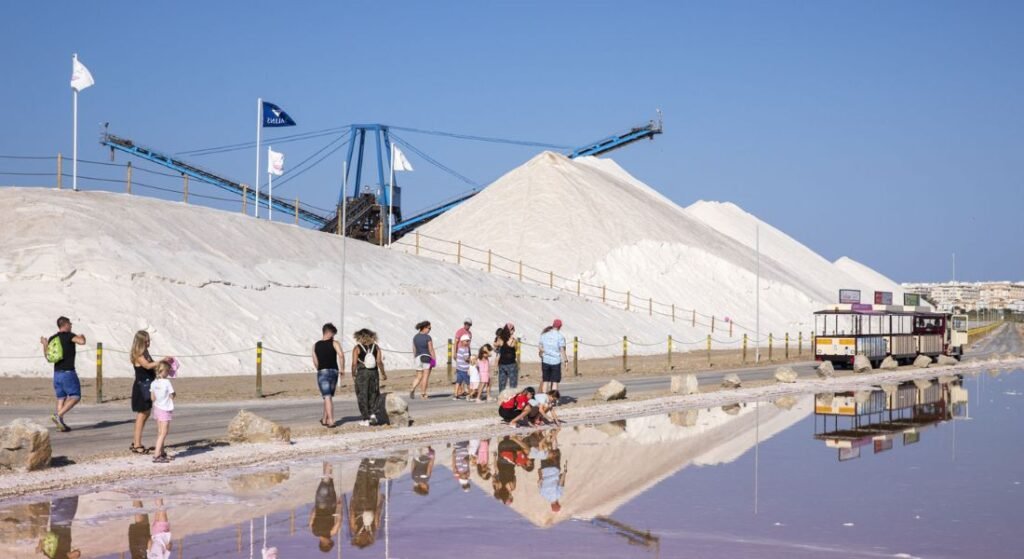
To fully appreciate the area, one must understand the ancient significance of salt in Maya culture. In pre-Hispanic times, salt was considered “white gold”—a fundamental commodity essential for life and commerce.
Salt harvested from these coastal pans was used for curing fish, preserving meats, processing hides, and preparing herbal remedies. It was also utilized as a form of currency during trade negotiations between coastal communities and inland Maya cities, placing Salinas Rosas at the heart of regional trade. The legacy of this ancient industry endures today, where modern cooperative members practice methods that echo their ancestors’ techniques.
Practical Tips for Independent Travelers and Families
Visiting independently is simple and rewarding for solo travelers, couples, and families alike.
If traveling with children, Salinas Rosas offers an engaging educational experience where kids can learn about biology, ancient history, and local trade. Because a typical tour takes between 30 and 60 minutes, it is best planned as part of a coastal day trip itinerary that includes lunch at Telchac Puerto or swimming at nearby beaches.
Conclusion
The pink salt lakes of Salinas Rosas (Salinera Rosa de Xtampú) stand out as one of Yucatán’s most enchanting destinations, where breathtaking natural phenomena meet thousands of years of rich human history. From the scientific magic of its pink waters and the heritage of the Xcambo Maya ruins to the dedication of the Meyah Ta’ab cooperative, every aspect of the region tells a compelling story. Whether you are taking day trips from Mérida, exploring coastal Dzemul, or photographing local wildlife, a visit to Salinas Rosas is an essential Yucatecan adventure. Plan your journey during clear sunny weather, support the local salt workers, and immerse yourself in the vibrant history of this pink oasis.
Frequently Asked Questions (FAQs)
Q1: Why are the waters at Salinas Rosas pink?
A: The pink color is caused by high salinity levels that foster microscopic Dunaliella salina algae and tiny Artemia salina brine shrimp. These organisms produce natural red and pink carotenoid pigments to protect themselves from sunlight.
Q2: Where is Salinera Rosa de Xtampú located?
A: The site is located in Xtampú, within the municipality of Dzemul on the northern coast of the Yucatán Peninsula, Mexico. It sits roughly one hour’s drive northeast of Mérida and 10 minutes west of Telchac Puerto.
Q3: Can you swim in the pink salt lakes?
A: Swimming is generally not permitted directly inside active salt evaporation pools at Salinas Rosas to protect the natural salt crystallization process and preserve the fragile ecosystem. However, designated mud scrub areas are available nearby.
Q4: How much does it cost to enter?
A: Entrance is very affordable, typically costing around 20 to 50 Mexican Pesos (approx. $1.00 to $2.50 USD) per person. The proceeds directly support the local Meyah Ta’ab salt worker cooperative.
Q5: What is the best time of day to see the pink color?
A: The best time to view Salinas Rosas is between 11:00 AM and 3:00 PM on sunny days when the sun is directly overhead.
Q6: Are there flamingos at the salt flats?
A: Yes, wild flamingos can frequently be seen wading in and around Salinas Rosas and nearby coastal mangroves, particularly during feeding periods.
Q7: Is the site close to Maya ruins?
A: Yes, Salinas Rosas is located directly across from the Xcambo Archaeological Site, an ancient Maya commercial center that produced and traded salt over 1,500 years ago.