

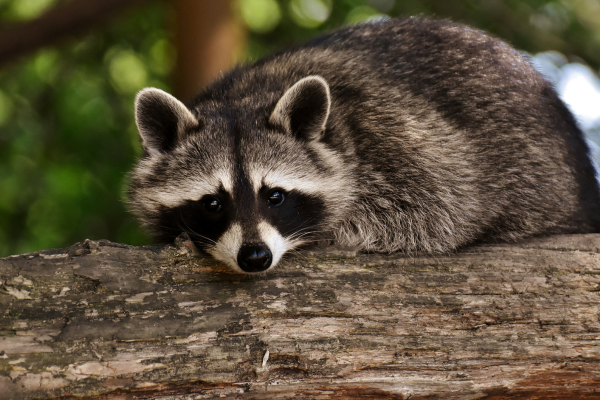
Raccoons may look harmless when wandering through a backyard, but their presence inside a home can create serious problems. These intelligent animals often seek shelter in attics, chimneys, garages, and other protected spaces. Once settled, they may damage insulation, disturb household members, and leave behind contaminated materials.
Choosing a reliable raccoon removal service helps homeowners address wildlife intrusions safely while reducing the likelihood of recurring problems. Understanding raccoon behaviour and recognizing early warning signs can make a significant difference.
Why Raccoons Enter Residential Properties
Raccoons are adaptable animals that thrive in urban and suburban environments. Residential properties provide food, warmth, and convenient shelter.
Common Attractions Around Homes
Several conditions make properties appealing to raccoons:
- Unsecured garbage containers containing food scraps
- Open attic vents and damaged roof sections
- Pet food left outdoors overnight
- Accessible chimneys and crawl spaces
- Overgrown trees providing easy roof access
These conditions can encourage repeated visits. A professional raccoon removal service can help identify potential entry points and recommend practical prevention measures.
Warning Signs of a Raccoon Infestation
Raccoons are primarily nocturnal, meaning homeowners may hear them more often than they see them.
Unusual Sounds During the Night
Scratching, heavy footsteps, and movement above ceilings can indicate animal activity. Raccoons are relatively large, so their movements may sound louder than those of smaller wildlife.
Property Damage and Disturbed Insulation
Raccoons can tear insulation, damage ventilation openings, and disturb roofing materials while searching for shelter.
Droppings and Unpleasant Odours
Accumulated waste may create persistent smells and introduce health concerns. Raccoon droppings can contain harmful organisms, making direct handling unsafe.
When these signs appear, arranging a raccoon removal service promptly can help prevent additional damage.
How Humane Raccoon Removal Works
Effective wildlife management involves more than simply removing an animal. A responsible approach considers animal welfare, property protection, and future prevention.
Step 1: Property Inspection
An inspection identifies suspected nesting areas, structural vulnerabilities, and wildlife access points.
Special attention is given to rooflines, attic openings, chimneys, and damaged exterior materials.
Step 2: Safe Wildlife Exclusion
Appropriate removal methods depend on the circumstances, including whether dependent young are present.
Humane exclusion techniques help encourage animals to leave without unnecessary injury. Professionals must also follow applicable wildlife regulations.
Step 3: Entry Point Protection
After confirming that all animals have left, accessible openings can be secured using suitable materials.
This stage is essential because raccoons may return to familiar shelter locations.
Step 4: Cleaning and Prevention
Contaminated insulation and nesting materials may require careful removal. Additional preventive improvements can reduce future wildlife activity.
A comprehensive raccoon removal service addresses both the immediate intrusion and the conditions that allowed it.
Why DIY Raccoon Removal Can Be Risky
Attempting to remove raccoons without proper knowledge can create unnecessary hazards.
Cornered animals may become defensive, particularly when protecting their young. Improper handling can also increase exposure to contaminated materials.
Another common mistake involves sealing an opening before confirming that every animal has exited. This can trap wildlife inside walls or attic spaces.
Professional guidance helps homeowners avoid these complications.
Preventing Future Raccoon Problems
Homeowners can take several straightforward precautions:
- Secure garbage bins with properly fitted lids.
- Trim branches that provide roof access.
- Repair damaged vents and exterior openings.
- Remove outdoor food sources.
- Inspect roofing and attic spaces periodically.
These actions complement a professional raccoon removal service by making the property less attractive to wildlife.
Conclusion
Raccoon activity should never be ignored when animals begin entering residential structures. Early intervention can help protect insulation, roofing, indoor spaces, and household safety.
A dependable raccoon removal service combines careful inspection, humane wildlife management, and effective prevention. Homeowners seeking assistance can explore local raccoon removal assistance to better understand available options for addressing unwanted wildlife activity.