

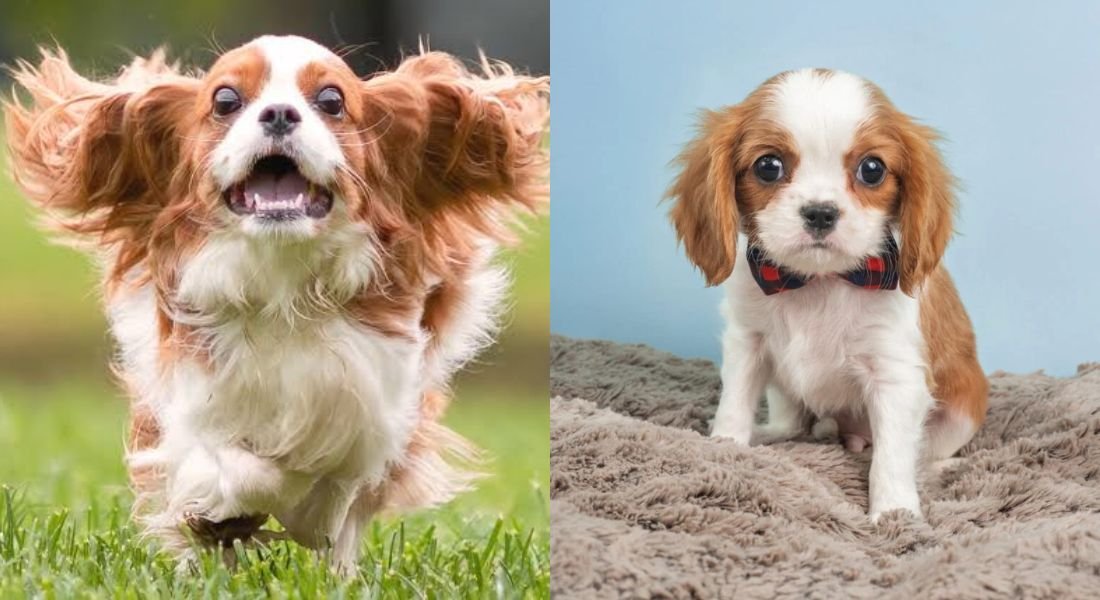
The Cavalier King Charles Spaniel stands as one of the most beloved toy dog breeds globally, celebrated for its affectionate nature, gentle temperament, and expressive dark eyes. Combining the compact elegance of a lapdog with the playful athletic roots of a hunting spaniel, this versatile canine thrives in diverse households. Originating in the United Kingdom, the breed carries a rich historical legacy deeply intertwined with British royalty. Today, prospective owners and dog enthusiasts cherish the breed for its unwavering loyalty and adaptability. Understanding their physical traits, care requirements, and unique personality helps ensure a happy, healthy companionship for many years.
| Breed Name | Cavalier King Charles Spaniel |
| Origin | United Kingdom |
| Breed Group | Toy Group (AKC / UK Kennel Club) |
| Ancestry | 16th–17th Century Toy Spaniels (favored by King Charles I & II) |
| Modern Breed Revival | 1920s (Initiated by Roswell Eldridge) |
| AKC Recognition | 1995 |
| Height | 12 to 13 inches (30 to 33 cm) at the shoulder |
| Weight | 13 to 18 pounds (5.8 to 8.2 kg) |
| Coat Type | Medium length, silky, wavy or straight with rich feathering |
| Official Colors | Blenheim (Chestnut & White), Tricolor, Ruby (Solid Red), Black & Tan |
| Temperament | Affectionate, gentle, playful, adaptable, social, eager to please |
| Lifespan | 12 to 15 years |
| Exercise Needs | Moderate (30–60 minutes daily) |
| Grooming Needs | Moderate (Brushing 3–4 times per week; no trimming required) |
| Key Health Considerations | Mitral Valve Disease (MVD), Syringomyelia (SM), Patellar Luxation, Eye conditions |
Historical Origins of the Cavalier King Charles Spaniel
The ancestral story of the Cavalier King Charles Spaniel traces back to sixteenth-century Europe, where small toy spaniels were prized by aristocracy. British monarchs, particularly King Charles I and his son King King Charles II, were famously devoted to these small dogs. Historical records indicate that King Charles II was rarely seen without a pack of toy spaniels trailing behind him, leading to royal decrees granting these dogs special access to public places, including the Houses of Parliament. These early lapdogs served dual roles: providing warmth as lap warmers during cold winters and attracting fleas away from their noble owners’ bodies.
Royal Connections in 17th Century Britain

During the seventeenth century, the popularity of the toy spaniel reached unprecedented heights across the British Isles. Royal court painters such as Anthony van Dyck and Thomas Gainsborough frequently captured these charming dogs in official portraits alongside royal children. The Duke of Marlborough also played a key role in developing specific color patterns at Blenheim Palace, giving rise to the famous rich chestnut and white coat variety known today as Blenheim. These royal associations elevated the breed’s social standing, solidifying its place in history as a true noble companion.
The 20th Century Revival of the Classic Spaniel
By the late nineteenth and early twentieth centuries, crossbreeding with flat-faced Asian breeds like the Pug and Japanese Chin drastically altered the original spaniel appearance, shortening their muzzles. In 1925, an American named Roswell Eldridge traveled to England hoping to find dogs resembling the long-snouted spaniels shown in historical paintings. Offering a substantial monetary prize at the Crufts Dog Show, Eldridge motivated breeders to restore the traditional look. This revival initiative successfully birthed the modern Cavalier King Charles Spaniel, distinguishing it as a separate breed from the flatter-faced King Charles Spaniel (English Toy Spaniel).
Standard Breed Recognition and Global Expansion
Official breed recognition followed decades of meticulous breeding efforts across the United Kingdom. The Kennel Club of the United Kingdom formally recognized the Cavalier King Charles Spaniel as a distinct breed in 1945. Across the Atlantic, American enthusiasm grew steadily, culminating in official registration by the American Kennel Club (AKC) in 1995. Today, the breed consistently ranks among the most popular toy breeds in North America and Western Europe, celebrated for its gentle disposition, compact size, and timeless aesthetic appeal.
Physical Characteristics and Distinctive Appearance
A purebred Cavalier King Charles Spaniel exhibits a well-balanced, elegant frame classified under the toy dog category. Standard adult weight ranges between 13 to 18 pounds, with a height typically measuring 12 to 13 inches at the shoulder. Their body build is proportionate, featuring a sturdy frame that supports active movement without appearing fragile. The head features a soft, gentle expression accentuated by large, dark round eyes set well apart. Their long, feathered ears are set high on the skull, framing the face beautifully and swinging naturally as the dog walks.
Color Varieties of the Cavalier King Charles Spaniel
Kennel clubs officially recognize four distinct coat color variations within the Cavalier King Charles Spaniel breed standard. Each color combination possesses unique visual traits while maintaining the soft, silky coat texture characteristic of the spaniel family.
- Blenheim: Rich chestnut markings set against a clear white background, often featuring a distinct chestnut spot called the “Blenheim spot” or “kiss” on the forehead.
- Tricolor: Jet black markings evenly distributed on a pearl-white ground, accented with rich tan points over the eyes, cheeks, inside ears, and underside of the tail.
- Ruby: A solid, deep rich red coat extending across the entire body, without any white markings or patches.
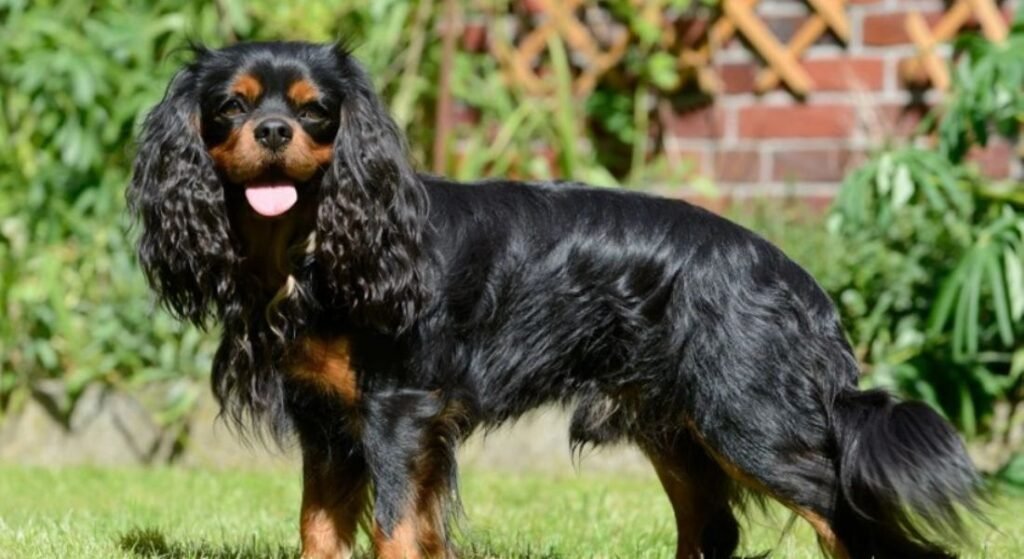
- Black and Tan: Raven black coat highlighted with rich tan spots over the eyes, on the cheeks, chest, legs, and beneath the tail.
Temperament and Personality Traits

Affectionate, gentle, and eager to please, the Cavalier King Charles Spaniel is renowned for its outstanding, adaptable personality. They possess a sweet, non-aggressive temperament that makes them natural family companions. Whether relaxing on the sofa or outdoor hiking on nature trails, these adaptable dogs mirror their owners’ energy levels seamlessly. Their hunting spaniel heritage manifests in a curious nature, keen senses, and occasional desires to chase birds or small squirrels in secure yards.
Ideal Environment and Suitability for Families
The versatile Cavalier King Charles Spaniel thrives in diverse living environments, from compact urban apartments to spacious suburban farms. They form deep emotional bonds with family members of all ages, displaying remarkable patience with gentle children. Because of their social nature, they generally interact peacefully with other household pets, including cats and other dogs. However, their strong attachment tendency means they require regular human companionship and may develop separation anxiety if left alone for extended periods without proper training.
Exercise and Physical Activity Needs
Despite their compact size, the Cavalier King Charles Spaniel requires regular physical activity to maintain optimal physical health and mental sharp stimulation. Daily exercise routines should include 30 to 60 minutes of moderate activity, divided into daily walks and interactive play sessions. They excel in canine sports like agility, rally, and obedience competitions, showcasing their athletic spaniel instincts. Providing safe, fenced areas for off-leash exploration satisfies their natural curious hunting heritage without risking sudden chasing behavior.
Daily Care and Routine Maintenance
Maintaining a healthy Cavalier King Charles Spaniel involves consistent care routines across nutrition, hygiene, and exercise. Because toy breeds have fast metabolisms, providing high-quality, age-appropriate dog food formulated for small breeds is essential. Portion control prevents unwanted weight gain, which puts unnecessary stress on joints and cardiovascular health. Clean, fresh water should always remain accessible. Establishing a predictable daily routine for meals, bathroom breaks, and play builds confidence and stability in young puppies.
Grooming Requirements for a Silky Coat
The long, silky coat of the Cavalier King Charles Spaniel requires regular maintenance to prevent mats and tangles, particularly around feathering on the ears, chest, legs, and tail. Daily or bi-weekly brushing with a soft slicker brush and pin comb keeps the coat clean and healthy.
- Brush feathered coat regions 3 to 4 times weekly to remove loose hair.
- Inspect long, floppy ears weekly for dirt, moisture, or signs of infection.
- Trim nails monthly to prevent foot deformities and discomfort.
- Brush teeth daily using dog-safe toothpaste to combat periodontal disease.
- Clean eye corners gently to remove discharge and prevent tear staining.
Training Methods for the Cavalier King Charles Spaniel
Training a Cavalier King Charles Spaniel is typically a rewarding experience due to their high intelligence and strong desire to please human guardians. Positive reinforcement techniques involving small treats, enthusiastic praise, and playful rewards yield the best results. Harsh verbal scolding or physical discipline should never be used, as this sensitive breed reacts poorly to aggressive handling. Early socialization exposing puppies to diverse sights, sounds, people, and animals builds confidence and prevents timid behaviors.
Common Health Considerations and Inherited Conditions
Like many purebred dogs, the Cavalier King Charles Spaniel exhibits predispositions to specific inherited health challenges. Ethical breeders perform comprehensive genetic and physical screening to minimize passing these conditions to future generations. Primary health concerns include Mitral Valve Disease (MVD), a progressive heart condition affecting many aging spaniels, and Syringomyelia (SM), a complex neurological disorder affecting the spinal cord. Other documented issues include Patellar Luxation, Dry Eye Syndrome, and Keratoconjunctivitis Sicca. Regular veterinary checkups, cardiac screenings, and maintaining an ideal weight significantly improve longevity, allowing these companions to achieve an average lifespan of 12 to 15 years.
Essential Health Screenings for Prospective Owners
When acquiring a Cavalier King Charles Spaniel puppy, prospective owners should request verified health clearances from certified veterinary specialists. Responsible breeders test parent dogs through organizations like the Orthopedic Foundation for Animals (OFA) and the Canine Eye Registration Foundation (CERF). Clearances should explicitly cover veterinary cardiology examinations, hip evaluations, patella assessments, and ophthalmologist evaluations. Choosing puppies from tested parental stock significantly lowers the statistical risk of severe genetic illness.
Finding a Responsible Breeder vs. Adoption
Securing a healthy Cavalier King Charles Spaniel requires careful research to ensure humane breeding practices. Reputable breeders belong to national breed clubs, prioritize health testing, and prioritize puppy welfare over commercial profit. Alternatively, adoption through specialized breed rescue organizations or local shelters offers a compassionate pathway to welcome an adult spaniel into your home. Rescued dogs often provide immense gratitude and joy, complete with established temperaments and basic training foundations.
Conclusion
The Cavalier King Charles Spaniel remains an extraordinary companion breed, successfully blending regal historical pedigree with warm, everyday companionship. Their gentle disposition, stunning appearance, and adaptable nature make them ideal pets for individuals, families, and seniors alike. By committing to routine grooming, daily exercise, positive training, and attentive veterinary care, owners can ensure their beloved companion enjoys a vibrant, happy life filled with affectionate loyalty.
Frequently Asked Questions
Are Cavalier King Charles Spaniels good apartment dogs?
Yes, they are exceptionally well-suited for apartment living due to their compact size, quiet demeanor, and moderate exercise needs. As long as they receive daily walks and interactive playtime, they adapt comfortably to smaller living spaces.
How much exercise does a Cavalier King Charles Spaniel need daily?
A typical adult requires approximately 30 to 60 minutes of exercise per day. This can be fulfilled through structured neighborhood walks, backyard games of fetch, or indoor play sessions that stimulate both mind and body.
Do Cavalier King Charles Spaniels shed a lot?
They shed moderately throughout the year, with increased shedding during seasonal transitions in spring and autumn. Regular brushing 3 to 4 times a week helps minimize loose hair around the home and prevents matting in their feathered coat.
Can a Cavalier King Charles Spaniel be left alone all day?
No, this breed is companion-oriented and thrives on human interaction. Being left alone for extended hours regularly can lead to separation anxiety, excessive barking, or destructive behaviors. They do best in households where someone is frequently present.
What is the average lifespan of a Cavalier King Charles Spaniel?
With proper nutrition, regular veterinary care, genetic health testing, and adequate exercise, the average lifespan of a healthy spaniel ranges from 12 to 15 years.