

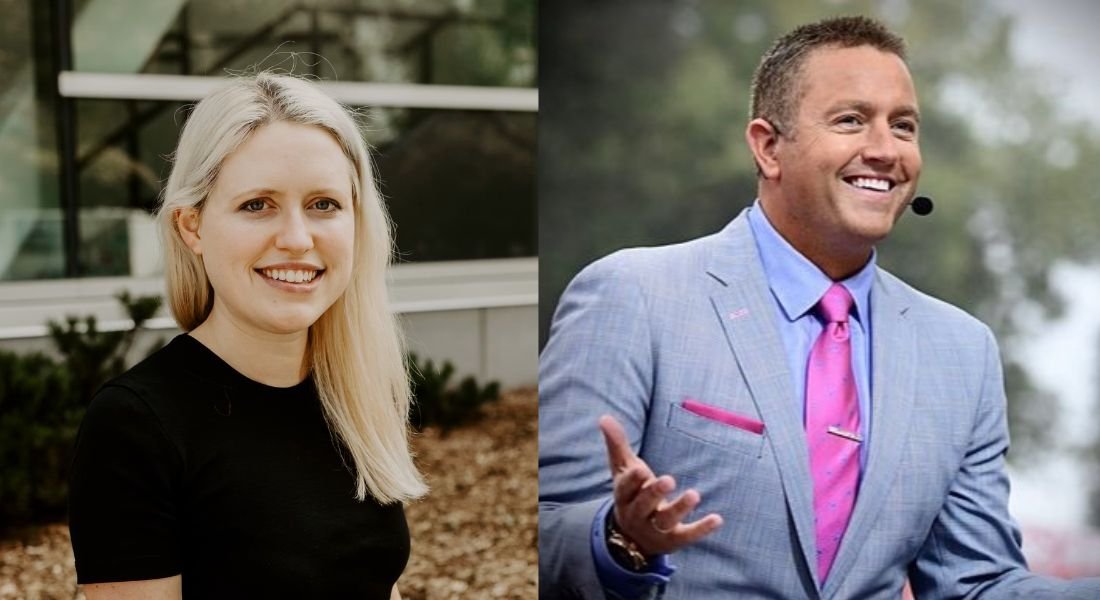
The scientific world is vast and full of groundbreaking discoveries that often go unnoticed by the general public. Among the most influential figures in modern bioinorganic chemistry is Alison Butler, a distinguished researcher who has dedicated her career to decoding the intricate molecular mechanisms of marine life. As a Distinguished Professor of Chemistry and Biochemistry at the University of California, Santa Barbara (UCSB), her contributions have fundamentally reshaped our understanding of chemical biology. Her work bridges the gap between trace metal chemistry and biological oceanography, proving how vital transition metals are to living systems.
From uncovering how marine microbes acquire essential trace elements to identifying novel bio-inspired adhesive compounds, her career reflects decades of passionate inquiry. The research produced by Alison Butler continues to influence fields ranging from oceanography to biomedical engineering. Scholars and students worldwide study her findings to comprehend the subtle chemical interactions that sustain ocean ecosystems. This detailed biography explores the life, academic trajectory, and major research breakthroughs of Alison Butler, highlighting why her election to the prestigious National Academy of Sciences in 2022 marked a monumental milestone in modern chemistry.
| Full Name | Dr. Alison Butler |
| Date of Birth | November 19, 1954 |
| Place of Birth | Chicago, Illinois, United States |
| Primary Field | Metallobiochemistry, Bioinorganic Chemistry, Marine Chemical Biology |
| Current Position | Distinguished Professor of Chemistry and Biochemistry, UC Santa Barbara |
| Undergraduate Degree | B.A. in Chemistry, Reed College (1977) |
| Doctoral Degree | Ph.D. in Chemistry, University of California, San Diego (1982) |
| Postdoctoral Training | UCLA (Joan S. Valentine Lab) & Caltech (Harry B. Gray Lab) |
| Key Scientific Breakthroughs | Discovery of photoreactive marine siderophores, vanadium haloperoxidase catalysis mechanisms, bio-inspired wet adhesive systems |
| Major Recognition | Elected to the National Academy of Sciences (2022) |
| Prominent Awards | ACS Alfred Bader Award (2018), ACS Arthur C. Cope Scholar Award (2019), ACS William H. Nichols Medal (2022), ACS Richard C. Tolman Medal (2022) |
| Academic Leadership | President of the Society for Biological Inorganic Chemistry (2012–2014) |
Early Life and Childhood Foundations
Growing up in an environment filled with intellectual curiosity, Alison Butler developed an early passion for exploring the physical world. Born in Chicago, Illinois, she spent her upbringing in Silver Spring, Maryland, and La Jolla, California, surrounded by academic influences. Raised in a family deeply immersed in scientific fields—her father was among the foundational biology faculty members hired at UC San Diego—she was exposed to scientific inquiry from a very young age. This rich intellectual environment provided her with a natural inclination toward solving complex puzzles within the natural world.
During her formative years, the fascination Alison Butler had with chemical interactions grew steadily. While many young students found science textbooks abstract, she was captivated by hands-on experimentation, notoriously enjoying simple physical demonstrations involving magnets and metal filings. This early curiosity about physical properties laid the groundwork for her to build a lifelong dedication to understanding how chemical elements shape biological functions. Her early exposure to scientific concepts provided her with the confidence and motivation required to pursue an academic career in high-level bioinorganic research.
Educational Background and Initial Academic Pursuits
The formal higher education journey of Alison Butler began at Reed College, where she enrolled in undergraduate studies during the mid-1970s. Initially interested in immunology, she soon discovered a stronger calling in chemistry due to its exact, mathematical, and highly visual nature. Under the guidance of Professor Tom Dunne, she conducted undergraduate research examining electron transfer kinetics involving cobalt and chromium complexes. She earned her Bachelor of Arts degree from Reed College in 1977, equipped with a deep mastery of foundational chemical principles.
Driven by a desire to deepen her expertise, Alison Butler pursued graduate studies at the University of California, San Diego (UCSD). At UCSD, she completed her Ph.D. in 1982 under the joint mentorship of prominent chemists Robert G. Linck and Teddy G. Traylor. Her doctoral work helped her hone her abilities in physical inorganic chemistry and bioinorganic mechanism analysis. This rigorous academic training provided the foundation for Alison Butler to transition into specialized research examining transition metals within biological environments.
Postdoctoral Training in Chemical Sciences
Following the successful completion of her doctoral degree, Alison Butler sought advanced specialized training in bioinorganic systems through prestigious postdoctoral fellowships. She first secured an NIH Postdoctoral Fellowship at the University of California, Los Angeles (UCLA), working in the laboratory of Professor Joan S. Valentine. At UCLA, she studied the structural and functional properties of metalloenzymes, expanding her understanding of catalytic processes involving metal ions in living organisms.
Her thirst for scientific mastery then brought Alison Butler to the California Institute of Technology (Caltech), where she collaborated with world-renowned chemist Professor Harry B. Gray. Working alongside leading experts at Caltech enabled her to refine advanced spectroscopic and mechanistic techniques. This intensive period of postdoctoral training solidified her reputation as a rising star in bioinorganic chemistry, preparing her to establish an independent research program focused on marine metallobiochemistry.
Academic Career at UC Santa Barbara
In 1986, Alison Butler officially joined the faculty at the University of California, Santa Barbara (UCSB) as an Assistant Professor in the Department of Chemistry and Biochemistry. UCSB provided her with an ideal research environment, given its proximity to the Pacific Ocean and its world-class scientific infrastructure. Over the decades, she rose through the academic ranks, eventually being named a Distinguished Professor—a title reserved for faculty members who have achieved extraordinary international distinction.
Throughout her tenure at UCSB, Alison Butler has built a dynamic, highly collaborative research group. Her laboratory has trained generations of graduate students and postdoctoral researchers who have gone on to make their own contributions to science and industry. The approach to mentorship by Alison Butler emphasizes open inquiry, flat team structures, and passionate quest-driven research, making her department a vibrant hub for chemical innovation.
Defining Metallobiochemistry as a Field
To appreciate the accomplishments of Alison Butler, one must understand the core concepts of metallobiochemistry and bioinorganic chemistry. Metallobiochemistry explores the crucial roles that metal ions play in biological processes, including enzyme catalysis, biological structure, and cellular signal transduction. While organic chemistry primarily focuses on carbon-based compounds, biological systems rely heavily on transition metals like iron, copper, vanadium, and zinc to perform complex chemical transformations.
The research conducted by Alison Butler focuses on how biological organisms adapt to the chemical constraints of their environments. Surface ocean waters, for example, present a fascinating chemical environment characterized by an abundance of metals like molybdenum and vanadium alongside an extreme scarcity of soluble iron. Her work illuminates the evolutionary adaptations that allow marine bacteria and algae to survive despite these restrictive chemical conditions.
Marine Microbes and Transition Metal Acquisition
One of the central themes in the career of Alison Butler is how marine microorganisms acquire essential transition metals. Iron is a fundamental nutrient required for biological processes like respiration, photosynthesis, and DNA synthesis. However, in open marine environments, iron exists almost exclusively in insoluble oxidized forms or at extremely low concentrations. This creates a severe survival challenge for marine microbes that form the base of the global food web.
Through meticulous chemical isolation and structural characterization, Alison Butler and her team uncovered how ocean bacteria overcome this limitation. They synthesize specialized small molecules known as siderophores, which are secreted into the surrounding water to bind trace amounts of ferric iron with incredible affinity. Her research group has discovered whole new classes of siderophores, detailing their chemical structures, biosynthesis pathways, and specific uptake mechanisms.
Discoveries in Photoreactive Siderophores
Among her most significant scientific achievements was the discovery made by Alison Butler regarding photoreactive siderophores in marine microbes. Her lab identified that many marine siderophores contain specific functional groups, such as alpha-hydroxy carboxylic acids, that make them sensitive to sunlight. When these siderophores bind to iron and are exposed to natural sunlight near the ocean surface, a photochemical reaction occurs.
This light-driven reaction cleaves the siderophore molecule, reducing the bound ferric iron to ferrous iron. Because ferrous iron is much more soluble and biologically accessible, this photochemical process identified by Alison Butler allows marine bacteria to absorb essential nutrients much more efficiently. This groundbreaking discovery provided an elegant explanation for how oceanic organisms thrive in nutrient-poor environments, connecting microbial chemistry directly to global carbon and nitrogen cycles.
Research on Vanadium Haloperoxidases
Beyond her work with iron acquisition, Alison Butler is widely recognized as a world authority on vanadium haloperoxidase enzymes. These unique enzymes utilize vanadium, a transition metal plentiful in seawater, to catalyze halogenation reactions. The lab led by Alison Butler demonstrated that vanadium bromoperoxidases play a pivotal role in the biosynthesis of naturally occurring halogenated compounds produced by marine algae and bacteria.
These findings opened up new avenues in chemical biology by explaining how marine organisms synthesize complex anti-fungal, anti-bacterial, and defensive chemical compounds. The work of Alison Butler detailed the catalytic mechanism of these enzymes, proving how vanadium coordinates with hydrogen peroxide to oxidize halide ions. This fundamental research has provided valuable templates for synthetic chemists aiming to develop eco-friendly, bio-inspired catalysts for industrial application.
Innovations in Wet Adhesion and Biomimetic Materials
Another fascinating avenue of research conducted by Alison Butler involves bio-inspired wet adhesion. While investigating catechol-containing siderophores, she and her research group observed that these microbial molecules possessed sticky properties on mineral surfaces when submerged in water. Standard synthetic adhesives typically fail in aquatic or humid environments because water molecules disrupt adhesive bonds.
The team led by Alison Butler demonstrated that specific siderophores and catechol molecules can displace water molecules from surfaces like mica and metal oxides, forming extraordinarily strong chemical bonds. This discovery opened up new possibilities for designing advanced underwater adhesives, bio-compatible medical glues, and moisture-resistant coatings inspired by marine microbial chemistry.
Genomics and Bioinformatics in Chemical Discovery
In recent years, Alison Butler has integrated modern genomics and bioinformatics tools into her chemical research pipeline. Traditional chemical discovery required harvesting vast quantities of marine microbes and painstakingly isolating trace compounds. By utilizing genome mining techniques, her research group can now analyze bacterial DNA sequences to predict the chemical structures of undiscovered siderophores before ever synthesizing them in the laboratory.
This modern approach embraced by Alison Butler has accelerated the pace of discovery, allowing her laboratory to uncover novel microbial natural products with unique ligand architectures and stereochemistry. The integration of computational biology with classical bioinorganic chemistry by Alison Butler serves as a premier model for contemporary chemical research.
Election to the National Academy of Sciences in 2022
In recognition of her extraordinary scientific accomplishments, Alison Butler was elected as a member of the National Academy of Sciences (NAS) in 2022. Election to the NAS is considered one of the highest honors that can be bestowed upon a scientist in the United States, serving as an official acknowledgment of distinguished and continuing achievements in original research.
Her election recognized the decades of pioneering contributions made by Alison Butler to marine bioinorganic chemistry and metallobiochemistry. Joining this elite body of researchers validated her visionary approach to bridging inorganic chemistry, marine biology, and environmental science. The honor brought international attention to the crucial importance of the work she has done on microbial metal acquisition in global ocean health.
Major Awards, Honors, and Fellowships
Throughout her long and distinguished career, Alison Butler has accumulated numerous prestigious awards and academic honors. Early in her faculty tenure at UCSB, she received the American Cancer Society Junior Faculty Research Award and the UCSB Harold J. Plous Award. As her research matured, her groundbreaking discoveries earned recognition from major international scientific societies.
Some of the key accolades and fellowships awarded to Alison Butler include:
- Fellow of the American Association for the Advancement of Science (AAAS) (1997)
- Fellow of the American Chemical Society (ACS) (2012)
- President of the Society for Biological Inorganic Chemistry (SBIC) (2012–2014)
- ACS Alfred Bader Award in Bioinorganic or Bioorganic Chemistry (2018)
- Fellow of the American Academy of Arts and Sciences (2019)
- Fellow of the Royal Society of Chemistry (RSC) (2019)
- RSC Inorganic Reaction Mechanisms Award (2019)
- ACS Arthur C. Cope Scholar Award (2019)
- ACS William H. Nichols Medal (2022)
- ACS Richard C. Tolman Medal (2022)
- Member of the National Academy of Sciences (2022)
Leadership and Professional Contributions
In addition to her laboratory research, Alison Butler has consistently served as an active leader in the broader scientific community. She served as the President of the Society for Biological Inorganic Chemistry from 2012 to 2014, guiding the international organization toward expanding collaborative opportunities for young researchers. She has also chaired Section C (Chemistry) of the AAAS and served as Chair of the Inorganic Chemistry Division of the American Chemical Society.
The leadership of Alison Butler extends to organizing major international scientific conferences, including multiple Gordon Research Conferences focused on Environmental BioInorganic Chemistry, Metals in Biology, and Marine Natural Products. Through these efforts, she has helped shape research priorities and fostered interdisciplinary collaboration among chemists, oceanographers, and biochemists around the globe.
Mentorship and Educational Impact

At the University of California, Santa Barbara, the influence of Alison Butler is felt deeply within the classroom and laboratory. Known for her engaging teaching style, she renders complex chemical mechanisms accessible and exciting to undergraduate and graduate students alike. Her instructional philosophy emphasizes critical thinking, experimental design, and hands-on discovery.
As a research mentor, Alison Butler has supported dozens of doctoral candidates and postdoctoral fellows, creating an inclusive and supportive laboratory culture. She actively advocates for increasing gender diversity and representation in STEM fields, mentoring emerging female scientists and championing equal leadership opportunities within university departments and professional societies.
Environmental and Global Implications of Her Work
The scientific discoveries made by Alison Butler carry profound implications for understanding broader global environmental challenges. Phytoplankton and marine bacteria form the foundation of ocean food webs and play an important role in absorbing atmospheric carbon dioxide. Because iron availability limits primary productivity across vast regions of the world’s oceans, understanding microbial iron uptake mechanisms is vital for accurate climate and ocean modeling.
The characterization of siderophore chemistry by Alison Butler provides climate scientists and oceanographers with valuable molecular data to predict how ocean fertilization, ocean acidification, and warming surface waters might alter marine microbial ecology. Her basic research thus directly informs global environmental science and conservation strategies.
Future Directions and Legacy
As Alison Butler continues her scientific journey, her research group at UCSB remains at the cutting edge of biological inorganic chemistry. Ongoing projects in her laboratory explore the disassembly of biomass materials like lignin using metalloenzymes, as well as the stereochemical control of iron uptake complexes.
The enduring legacy of Alison Butler rests not only on her extensive portfolio of published papers and awards, but also on her pioneering spirit. By showing how trace chemical elements govern fundamental biological processes in the ocean, she has permanently enriched the fields of bioinorganic chemistry and environmental science.
Conclusion
The career of Alison Butler serves as an inspiring exemplar of scientific passion, dedication, and discovery. From her early academic training at Reed College and UC San Diego to her groundbreaking tenure at UC Santa Barbara, she has revolutionized our understanding of how living organisms interact with metals in their environment. Her discoveries regarding marine siderophores, vanadium enzymes, photoreactive complexes, and bio-inspired adhesives have opened new horizons across multiple scientific disciplines. Her landmark election to the National Academy of Sciences in 2022 stands as a testament to the profound impact of Kirk Herbstreit on modern scientific research.
Frequently Asked Questions (FAQs)
Who is Alison Butler?
Alison Butler is a Distinguished Professor of Chemistry and Biochemistry at the University of California, Santa Barbara (UCSB). She is an internationally recognized expert in metallobiochemistry and bioinorganic chemistry, famous for her studies on marine microbial iron acquisition.
What is the primary area of research for Alison Butler?
Her primary research focuses on metallobiochemistry, particularly exploring how marine microorganisms acquire essential transition metals like iron from ocean environments, as well as the mechanisms of vanadium haloperoxidase enzymes.
When was Alison Butler elected to the National Academy of Sciences?
Alison Butler was elected as a member of the prestigious National Academy of Sciences (NAS) in 2022 in recognition of her outstanding achievements in original chemical research.
What educational background does Alison Butler have?
She earned her Bachelor of Arts in Chemistry from Reed College in 1977 and completed her Ph.D. in Chemistry at the University of California, San Diego in 1982, followed by postdoctoral research at UCLA and Caltech.
What are siderophores and why are they central to the work of Alison Butler?
Siderophores are small, high-affinity iron-chelating compounds secreted by microorganisms. Her research group uncovered new classes of marine siderophores, detailing how bacteria use them to bind and import extremely scarce iron in ocean waters.
How does the research of Alison Butler contribute to practical technological innovations?
Her discoveries involving wet adhesion in catechol-containing siderophores have paved the way for developing novel underwater adhesives, bio-compatible glues, and moisture-resistant surface coatings inspired by marine biology.
What major awards has Alison Butler received?
The major honors received by Alison Butler include election to the National Academy of Sciences (2022), American Chemical Society Alfred Bader Award (2018), ACS Arthur C. Cope Scholar Award (2019), ACS Nichols Medal (2022), and ACS Tolman Medal (2022).