
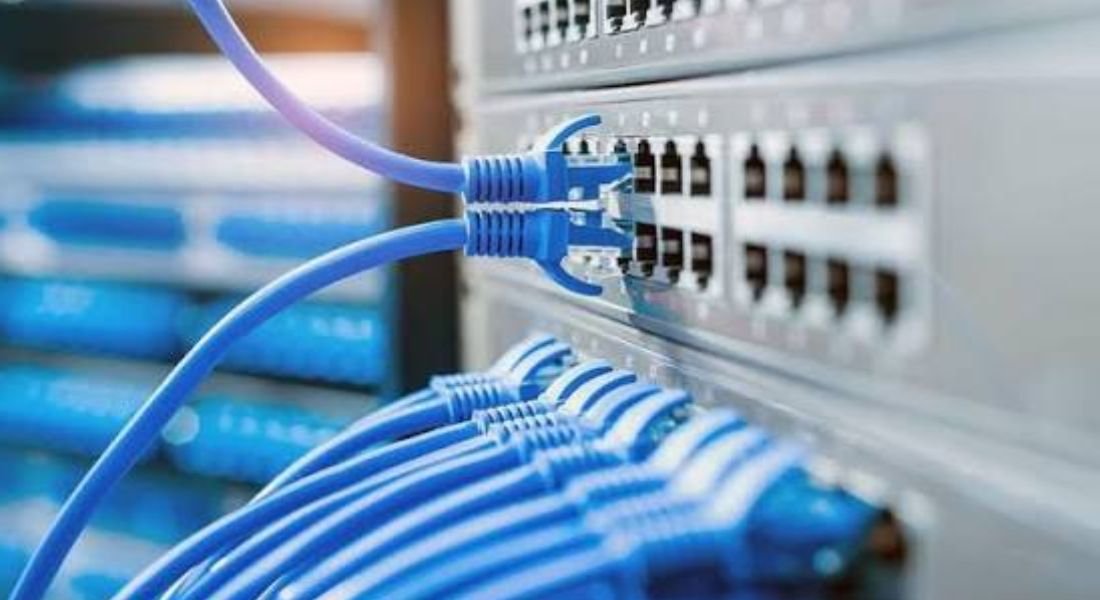
Modern businesses depend heavily on reliable digital infrastructure to handle daily operations, corporate communications, and online transactions. Enterprise network management is the foundation that keeps complex corporate environments running smoothly. It combines software, hardware, operational processes, and administrative controls to maintain, monitor, and optimize an organization’s networking environment. As companies adopt multi-cloud systems, support hybrid workforces, and process huge volumes of data, implementing structured enterprise network management has become essential for long-term business success.
A well-structured corporate network must deliver uninterrupted connectivity, protect sensitive data, and adapt quickly to changing market demands. Achieving this requires holistic planning, automated management tools, and continuous security monitoring. This comprehensive guide explores how enterprise network management governs core components, design architectures, security protocols, and strategic operational practices across global IT environments.
What is Enterprise Network Management?

At its core, enterprise network management refers to the centralized oversight, provisioning, and maintenance of an organization’s entire networking ecosystem. Unlike simple small business networks, these environments must account for complex infrastructures spanning multiple physical locations, data centers, public cloud environments, and remote endpoints. Managing these complex systems requires dedicated platforms that give IT administrators full visibility and control from a single interface.
Effective oversight focuses on making sure every switch, router, server, wireless access point, and firewall communicates reliably. Robust enterprise network management measures help IT teams prevent costly downtime, resolve performance bottlenecks before users notice them, and defend the network perimeter against sophisticated cyber threats.
Core Objectives of Corporate Network Systems
The main goal of modern infrastructure planning is to provide dependable, high-speed, and secure access to business applications and data. Organizations set up structured administrative processes within their overall strategy to maintain consistent service levels across all business operations.
Another key objective is operational efficiency. By automating routine tasks like firmware updates and IP address management, enterprise network management enables network administrators to focus on strategic projects that support business growth.
Scope and Reach Across Modern Infrastructure
The scope of modern corporate networks stretches far beyond local office connections. Today, IT architecture connects on-premises data centers with edge computing devices, branch offices, and multi-cloud platforms like AWS, Microsoft Azure, and Google Cloud Platform.
Managing this broad environment requires enterprise network management frameworks that enforce unified policies, maintaining consistent security controls and performance standards across every connection point, regardless of physical location.
The Evolution of Enterprise Network Management Architecture
The discipline of network control has evolved significantly over the past several decades. Early corporate setups relied on local mainframe connections and simple star topologies that linked desktop terminals directly to centralized servers. As business operations expanded, enterprise network management adapted to distributed computing, local area networks (LANs), and wide area networks (WANs) to connect distant branch offices.
The rise of the internet in the 1990s and the growth of cloud computing in the 2010s completely transformed traditional corporate perimeters. Modern enterprise network management has shifted from managing static, hardware-bound setups to controlling dynamic, software-defined environments that can adapt instantly to real-time traffic demands.
From Hardware-Centric to Software-Defined Models
Historically, infrastructure maintenance meant manually updating individual routers and switches using command-line interfaces. This traditional approach was slow, prone to human error, and difficult to scale across large organizations.
Software-Defined Networking (SDN) revolutionized enterprise network management by separating the control layer from underlying hardware. Administrators practicing modern network operations can now manage system behavior programmatically through centralized software platforms, vastly accelerating deployment speeds.
The Rise of Multi-Cloud and Hybrid Environments
Today’s business applications rarely live in a single physical location. Modern enterprise network management must routinely balance on-premises workloads with public cloud services and third-party SaaS applications.
This shift has made hybrid WAN architectures standard across global organizations. Network operations teams must now ensure seamless connectivity and consistent data traffic routing across both physical hardware and virtual cloud gateways.
Key Pillars of Enterprise Network Management
To organize complex operational tasks, enterprise network management relies on five core functional areas defined by the FCAPS model: Fault, Configuration, Accounting, Performance, and Security. This structured framework covers every essential aspect of infrastructure support.
Mastering these five pillars allows engineering teams to build a resilient infrastructure that minimizes service outages and maintains peak operational efficiency.
Fault Management in Corporate Networks
Fault management within enterprise network management focuses on identifying, isolating, and fixing network anomalies before they trigger widespread system outages. Advanced monitoring platforms track health metrics across every device and alert administrators the moment unusual patterns occur.
By using automated root-cause analysis, system engineering tools help resolve underlying hardware or software issues quickly, keeping business operations running smoothly.
Configuration Management and Compliance
Configuration management in corporate systems maintains detailed records of all hardware settings, software versions, and patch levels. It establishes baseline standards to ensure every device operates safely and consistently.
Automated configuration tools in enterprise network management allow engineers to push security patches and software updates across thousands of endpoints simultaneously, while automatically blocking unapproved setting changes.
Accounting and Resource Allocation

Accounting management tracks how bandwidth and system resources are used across different business units, departments, and user groups. This data provides the visibility needed for accurate internal billing and IT capacity planning.
Monitoring resource usage helps IT leadership identify underutilized network links, optimize contract terms with service providers, and eliminate wasted spending.
Performance Monitoring and Capacity Optimization
Performance monitoring in enterprise network management tracks key metrics like latency, packet loss, jitter, and throughput. Continuous telemetry helps engineers identify hardware bottlenecks and adjust routing policies to maintain fast, reliable connections.
Historical trend analysis allows administrators to forecast future bandwidth needs and upgrade hardware before performance degradation impacts business workflows.
Security Controls and Threat Mitigation
Security management within enterprise network management protects network assets from unauthorized access, malware infections, and data theft. It combines firewalls, intrusion prevention systems, network access controls, and encryption mechanisms into a unified defense system.
Maintaining strong security protocols ensures compliance with global privacy regulations like GDPR, HIPAA, and PCI-DSS, shielding the company from costly regulatory penalties.
Essential Components of Infrastructure Oversight
An environment built for enterprise network management relies on specialized hardware and software components working together smoothly. Understanding how these layers interact is essential for building and maintaining reliable IT operations.
Physical Infrastructure and Edge Equipment
The physical layer includes core routers, distribution switches, high-performance cabling, server racks, and wireless access points. These hardware devices form the physical backbone supporting corporate environments across office spaces and data center facilities.
Redundant physical links and dual power supplies managed by system control software prevent single points of failure from taking down the whole network.
Virtualization and Cloud Networking Integration
Virtual networking uses software abstractions to build virtual private clouds, overlay tunnels, and virtual switches on top of physical hardware. This flexibility allows IT teams to launch new server environments and network segments in minutes rather than weeks.
Cloud gateways integrated with enterprise network management platforms maintain secure, encrypted tunnels between physical offices and external cloud hosting environments.
Software Control Systems and Management Consoles
Centralized management consoles serve as the nerve center for IT operations, providing a single operational dashboard for managing physical and virtual assets. These control hubs give monitoring teams real-time visibility into traffic patterns, system health, and security events.
Intuitive dashboards simplify troubleshooting, lower operational overhead, and allow teams to execute enterprise network management across global networks efficiently.
Advanced Technologies Transforming Infrastructure Control
Emerging software tools and smart technologies continue to transform how corporate networks are engineered, deployed, and maintained day to day.
Software-Defined Wide Area Networking (SD-WAN)
SD-WAN technology has redefined WAN delivery in enterprise network management by intelligently routing branch office traffic across multiple transport links, including broadband, LTE, 5G, and traditional MPLS lines. It continuously measures link quality to optimize data paths.
This dynamic routing improves user experiences for cloud software while significantly reducing reliance on expensive leased lines.
Artificial Intelligence in Network Operations (AIOps)
AIOps platforms bring machine learning capabilities to enterprise network management by processing massive volumes of network telemetry data in real time. They establish baseline behavior patterns and automatically highlight subtle anomalies during routine operations.
Predictive analytics allow IT teams to fix hardware issues and clear traffic congestion before users experience any service disruptions.
Intent-Based Networking Systems (IBN)
Intent-based networking transforms enterprise network management by allowing administrators to set broad operational goals using declarative software policies rather than manually coding individual hardware rules. System platforms automatically translate these high-level policies into precise device configurations.
IBN platforms also continuously monitor network state to ensure actual performance matches intended operational policies.
Designing a Resilient Strategy for Enterprise Network Management
Building a reliable corporate network requires thoughtful strategy, clear design standards, and robust security policies integrated directly into your infrastructure framework.
High Availability Design and Redundancy
High availability architecture ensures critical systems stay online even during unexpected hardware failures. Engineers achieve this by designing redundant routing paths, failover clusters, and backup internet connections across key facilities.
Automated failover protocols in enterprise network management switch traffic to backup hardware in milliseconds, keeping business applications running without human intervention.
Scalability and Future-Proofing

Scalable network designs accommodate organizational growth, new office locations, and sudden spikes in data traffic without requiring full infrastructure overhauls. Standardized hardware modules and cloud-first designs allow for seamless, cost-effective expansion.
Choosing flexible licensing options ensures the network can easily support higher bandwidth speeds as business needs evolve.
Zero Trust Architecture Implementation
The Zero Trust security model enhances enterprise network management by operating on a strict principle: “never trust, always verify.” It assumes threats exist both outside and inside the corporate perimeter, requiring continuous authentication for every user and device connection.
Combining micro-segmentation with identity-aware access controls prevents malicious actors from moving laterally across internal network segments.
Overcoming Challenges in Corporate Network Operations
Executing large-scale enterprise network management comes with complex operational challenges that require smart strategies and modern technical solutions.
Managing Hybrid and Multi-Cloud Complexity
Combining legacy on-premises hardware with multiple public cloud platforms creates operational visibility gaps. Mismatched security policies across cloud environments can easily lead to unintended data exposure and compliance violations.
Deploying cloud-agnostic management tools helps centralize policy enforcement, ensuring consistent control standards across every platform.
Shadow IT and Unsanctioned Devices
The rise of hybrid work makes it easy for unapproved applications and hardware to connect to corporate resources. Unmanaged endpoints present severe security risks because they lack standard monitoring software and endpoint protection.
Using automated Network Access Control (NAC) tools ensures unsanctioned devices are isolated into restricted guest networks immediately upon connection.
Bandwidth Congestion and Latency Issues
High-definition video meetings, large file transfers, and cloud backups can consume massive amounts of bandwidth, creating bottlenecks for enterprise network management.
Implementing strict Quality of Service (QoS) policies prioritizes critical real-time application traffic over routine background downloads, ensuring smooth operations.
Best Practices for Enterprise Infrastructure Teams
Adopting established industry best practices helps IT operations teams increase infrastructure uptime, improve security posture, and optimize overall network operations.
Automate Routine Configuration Tasks
Manual configuration changes remain one of the leading causes of system outages. Using infrastructure-as-code software like Ansible, Terraform, or Python scripts reduces human error and speeds up change management workflows.
Standardized configuration templates ensure every deployed router, switch, and firewall complies with strict corporate security policies from day one.
Implement Comprehensive Network Segmentation
Segmenting large corporate networks into isolated subnets strengthens security by preventing breaches from spreading across the entire organization. Isolating finance systems, production servers, IoT hardware, and guest Wi-Fi networks limits the reach of potential threats.
Micro-segmentation provides granular control, allowing security teams to inspect and filter data traffic moving between individual workload instances.
Establish Continuous Real-Time Auditing
Regular vulnerability audits within enterprise network management help identify outdated software versions, weak password configurations, and unauthorized port forwarding rules before attackers can exploit them.
Automated auditing platforms track changes continuously, keeping system configurations aligned with industry regulatory standards.
Comparing Tools for Enterprise Systems
Choosing the right software suite is a critical step in building an efficient IT control workflow. The table below compares the main tool categories used by modern enterprise IT organizations:
| SNMP & Flow Monitors | Real-time traffic analysis, bandwidth tracking, device status polling | Traditional LAN/WAN and local data centers | Excellent granular visibility into physical switch and router hardware performance |
| SDN Controllers | Centralized control planes, programmatic policy enforcement, dynamic overlays | Modern software-defined data centers and cloud networks | Rapid software-driven provisioning with zero physical hardware touches |
| AIOps Platforms | Anomaly detection, predictive analytics, automated root-cause isolation | Hybrid enterprise networks and multi-cloud environments | Reduces alert fatigue and proactively prevents system outages |
| Zero Trust Systems | Identity verification, granular micro-segmentation, continuous access validation | Distributed environments and remote workforce endpoints | Eliminates implicit internal network trust and limits security breach blast radiuses |
Future Trends in Enterprise Network Management
The field of corporate infrastructure control is advancing quickly, driven by breakthroughs in artificial intelligence, edge computing, and high-speed wireless connectivity.
Wi-Fi 7 and Private 5G Integration
The adoption of Wi-Fi 7 and private corporate 5G networks expands operational capabilities by providing ultra-low latency and high data throughput across office campuses and industrial facilities. Private 5G gives enterprises dedicated, interference-free wireless coverage for sensitive operations.
These advanced wireless standards support high device densities, making them ideal for modern connected workspaces and smart warehouses.
Autonomous Self-Healing Networks
Autonomous self-healing networks represent the future of enterprise network management. By pairing machine learning algorithms with automated remediation scripts, these platforms can detect, diagnose, and fix hardware faults without human intervention.
If a primary connection fails, autonomous systems dynamically redirect traffic and open a support ticket automatically, ensuring maximum system uptime.
Conclusion
Effective enterpriseNetwork management is a fundamental requirement for modern digital organizations. As corporate environments expand to connect remote employees, edge devices, and multi-cloud platforms, executing proper oversight requires modern tools, clear governance, and continuous security oversight. By combining software-defined architectures, automated policy enforcement, and proactive threat monitoring, enterprise network management builds a reliable infrastructure that drives long-term business success.
Investing in comprehensive networking solutions protects your business from expensive system outages and positions your organization to adopt emerging technologies quickly and securely.
Frequently Asked Questions (FAQs)
What is enterprise network management, and why is it important?
Enterprise network management is the process of provisioning, monitoring, optimizing, and securing an enterprise’s networking infrastructure. It is essential because it ensures high-speed connectivity, prevents unplanned downtime, maintains robust security defenses, and supports overall business productivity across distributed operations.
How does Software-Defined Networking (SDN) improve corporate management?
Software-Defined Networking (SDN) improves system administration by separating the control layer from underlying data forwarding hardware. This centralized structure allows administrators to program network configurations using software consoles, making network updates faster, more flexible, and far less reliant on manual hardware changes.
What are the five core pillars of the FCAPS model?
The FCAPS framework structures enterprise network management into five functional areas: Fault Management (identifying issues), Configuration Management (tracking settings), Accounting Management (monitoring resource usage), Performance Management (optimizing speed and latency), and Security Management (protecting assets from threats).
How does Zero Trust security fit into enterprise network management?
Zero Trust security enhances enterprise network management by enforcing a strict “never trust, always verify” access policy across all connections. It requires continuous identity verification, enforces least-privilege access rights, and uses micro-segmentation to prevent attackers from moving laterally across internal networks if a breach occurs.
What role does SD-WAN play in branch network control?
SD-WAN enhances WAN operations across branch offices by dynamically managing multiple internet transport links (like broadband, LTE, and 5G). It routes traffic based on real-time network conditions, reducing costs and improving application performance within the broader corporate infrastructure.
How does artificial intelligence (AIOps) support enterprise operations?
AIOps supports enterprise network management by using machine learning algorithms to analyze massive volumes of network telemetry data in real time. It establishes operational baselines, detects subtle anomalies, automates root-cause analysis, and helps engineers resolve infrastructure issues before they disrupt business operations.

1 Comment
Pingback: Incfidelibus Meaning & Myth Explained: Origin, Latin Roots, and Modern Misconceptions