
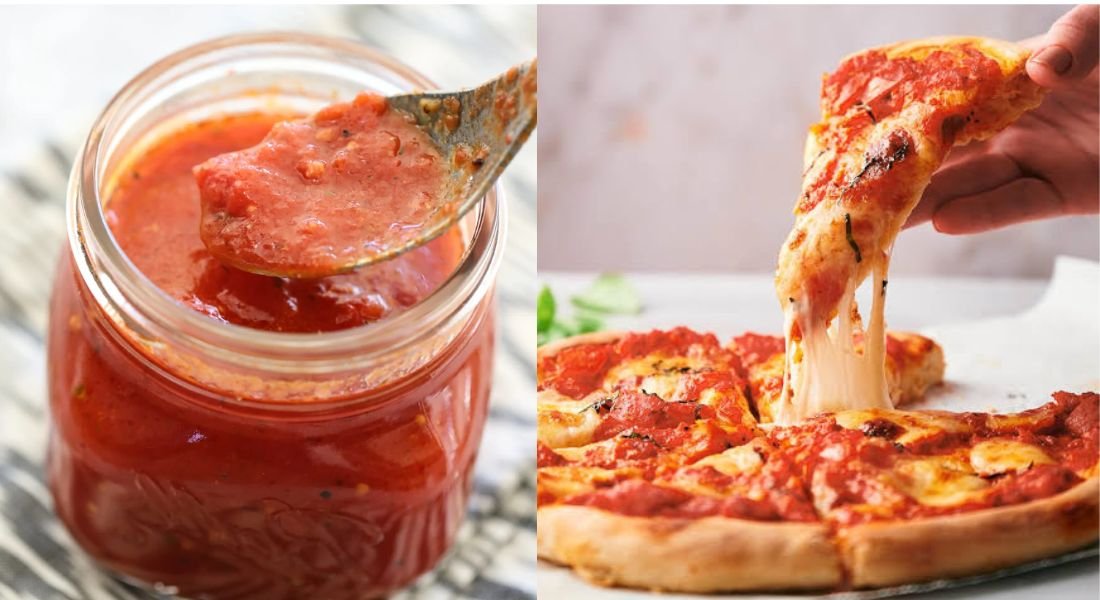
The story of the neapolitan pizza sauce recipe is rooted in the rich culinary history of Naples, Italy, where simplicity meets unparalleled passion. Unlike modern Americanized pizza spreads that rely heavily on long simmering hours, dried oregano, garlic powder, and added sugars, the authentic neapolitan pizza sauce recipe is famously raw, unheated, and stunningly simple. Born in the vibrant streets of Southern Italy during the 18th century, this legendary sauce was created to showcase the natural sweetness and acidity of local harvest tomatoes. Today, pizza enthusiasts worldwide seek to recreate this iconic foundation at home to elevate their handcrafted pies. Understanding the cultural lineage and minimalist philosophy behind this sauce is the first step toward pizza perfection.
The historical evolution of Neapolitan pizza making shifted dramatically when tomatoes were brought to Europe from the Americas in the 16th century. Initially feared as poisonous by wealthy aristocrats, tomatoes were embraced by the working-class citizens of Naples, who combined them with flatbreads to create early iterations of modern pizza. By the late 18th century, street vendors were serving raw, hand-crushed tomatoes over dough baked in wood-fired ovens. This tradition was formalized in 1889 when chef Raffaele Esposito created the famous Pizza Margherita to honor Queen Margherita of Savoy, featuring red tomatoes, white mozzarella, and green basil. The core essence of that historical creation remains completely untouched in every genuine neapolitan pizza sauce recipe used today.
| Origin / History | Naples, Italy (developed during the 18th century; formalized with Pizza Margherita in 1889) |
| Primary Classification | Raw, unheated Neapolitan pizza sauce base |
| Philosophy | Minimalist non-interference; relies on high-heat oven baking (800°F–900°F) rather than pre-cooking |
| Core Key Ingredients | Certified San Marzano DOP tomatoes, fine Mediterranean sea salt |
| Optional Enhancements | Fresh hand-torn basil leaves, drizzle of extra virgin olive oil |
| Preparation Technique | Hand-crushing or manual food mill (electric blenders avoided to prevent seed bitterness) |
| Ideal Ratio | ~10 grams sea salt per 800-gram can of whole peeled tomatoes |
| Texture & Flavor Profile | Rustic, crushed, bright, vibrant, balanced natural acidity and sweetness |
| Shelf Life | 3 to 5 days refrigerated; up to 3 months frozen |
Simple Ingredients over Complex Preparation
At the heart of the authentic neapolitan pizza sauce recipe is a steadfast commitment to minimalism and non-interference. True Italian pizzaiolos believe that high-quality raw ingredients should never be masked by heavy spices or prolonged cooking before hitting the dough. The heat of a high-temperature pizza oven, typically reaching 900 degrees Fahrenheit, acts as the sole cooking mechanism for the sauce. Cooking the tomatoes beforehand destroys their bright, fresh acidity, leaving behind a heavy paste that overpowers delicate dough and fresh mozzarella. By keeping the preparation cold and minimal, you allow the natural, sun-ripened flavors of the Italian countryside to shine through brightly on every slice you serve.
Why Cooking Your Sauce Ruins the authentic Flavor Profile
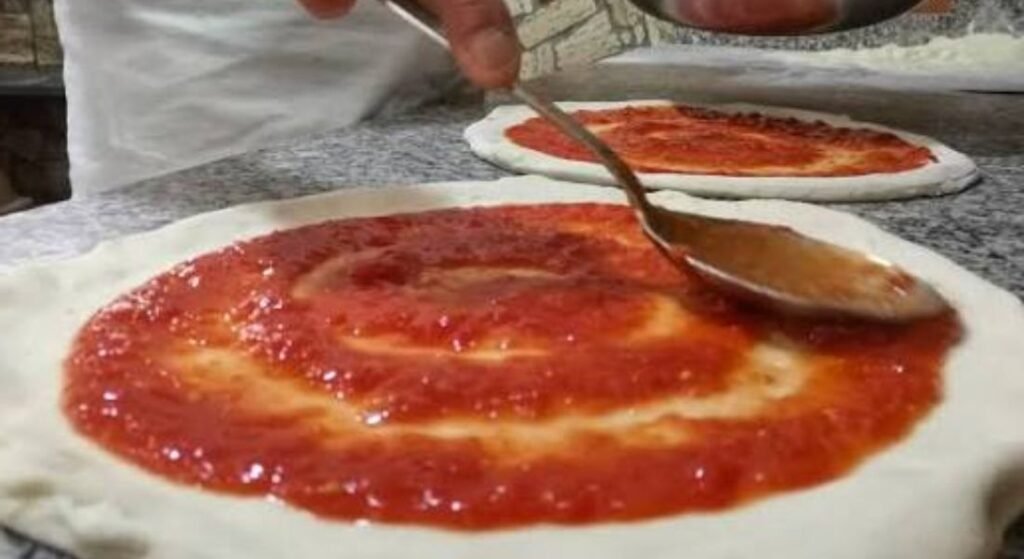
When home cooks simmer tomato sauce on a stovetop, the heat breaks down subtle aromatic compounds, reduces natural moisture, and caramelizes sugars, creating a deep, heavy stew. While cooked sauces suit rich pasta dishes or Chicago-style deep dish pies, they ruin a delicate Neapolitan crust. A pre-cooked sauce prevents the dough beneath it from baking properly, leading to a soggy middle known as a gum line. Furthermore, pre-cooking strips away the sharp, fresh bite that balances rich buffalo mozzarella and charred crust. Using a cold, uncooked neapolitan pizza sauce recipe ensures that the sauce cooks rapidly in tandem with the dough inside the intense heat of the oven.
Selecting the Right Tomatoes: San Marzano DOP
The undeniable star of any legitimate neapolitan pizza sauce recipe is the San Marzano DOP tomato, grown in the volcanic soil near Mount Vesuvius. These legendary plum tomatoes feature a low moisture content, fewer seeds, thick walls, and a sweet, low-acid flavor profile that requires no added sugar. The DOP certification ensures that the fruit was grown, harvested, and processed within specific regions of Campania following strict historic traditions. When purchasing canned tomatoes, look for the official seal and logo on the label to guarantee authenticity. Using subpar standard canned tomatoes often yields an overly watery or aggressively sour sauce that fails to deliver true Italian character.
The Essential Role of Fine Sea Salt
While tomatoes build the core body of the sauce, fine sea salt acts as the crucial catalyst that unlocks their natural flavors. Salt enhances the innate sweetness of the fruit while taming subtle bitter notes present in canned tomatoes. The ideal ratio for a classic neapolitan pizza sauce recipe is roughly 10 grams of sea salt per 800-gram can of whole peeled tomatoes, which equates to about one level teaspoon per large can. It is best to use non-iodized fine Mediterranean sea salt, as coarse salt dissolves unevenly in cold tomato pulp, and iodized table salt leaves an undesirable metallic aftertaste in raw sauces.
Optional Traditional Additions: Fresh Basil and Olive Oil
Purists often debate whether olive oil or fresh herbs belong inside the sauce container or applied directly onto the assembled pie. The official guidelines from the Associazione Verace Pizza Napoletana, established in 1984 to protect authentic pizza standards, state that fresh basil leaves and extra virgin olive oil should be added onto the pizza assembly rather than blended into the sauce container. However, subtle variations exist where a few hand-torn fresh basil leaves are steeped briefly in the sauce for aromatic infusion. If extra virgin olive oil is added directly to the sauce, it should only be drizzled lightly just before spreading onto dough.
Food Mills vs. Hand Crushing vs. Blenders
How you break down whole peeled tomatoes dramatically dictates the final texture of your neapolitan pizza sauce recipe. Hand crushing whole tomatoes with clean hands or a potato masher leaves rustic, textured chunks that hold up beautifully on thin crusts. A stainless steel food mill equipped with a medium disk is the professional gold standard, efficiently removing tough seed pockets and skins while yielding a silky, uniform texture. Conversely, electric food processors or immersion blenders should generally be avoided. Electric blades chop seeds, releasing bitter compounds into the pulp, and incorporate unwanted air bubbles that pale the rich red color of your raw tomato sauce.
Essential Kitchen Tools for Preparation
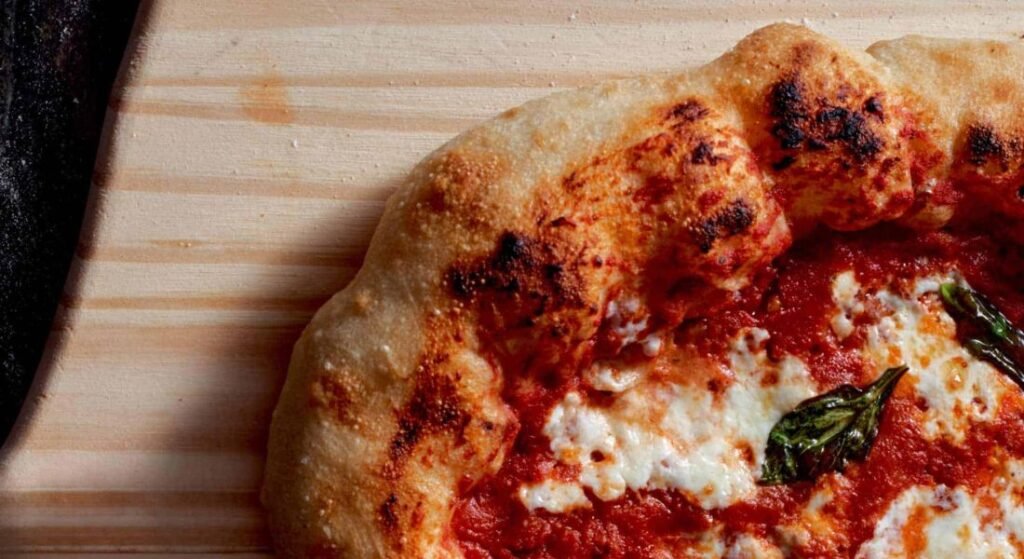
Preparing a batch of high-grade sauce requires basic, non-reactive kitchen tools to preserve pure flavors. Always use stainless steel, glass, or ceramic mixing bowls when handling raw tomato sauce, as reactive materials like bare aluminum impart a unpleasant metallic taste into acidic liquids. A fine-mesh sieve or strainer is helpful if your canned tomatoes carry excessive thin juice that requires light draining. Additionally, a soft silicone spatula ensures you gather every drop of valuable tomato puree without damaging delicate fruit solids. Keeping your equipment pristine and dry guarantees that no extra water thins out your carefully crafted neapolitan pizza sauce recipe.
Step-by-Step Neapolitan Pizza Sauce Recipe
Step 1: Draining and Preparing the Tomatoes
Begin your traditional neapolitan pizza sauce recipe by opening an 800-gram can of certified San Marzano DOP whole peeled tomatoes. Pour the contents into a large glass or stainless steel bowl, carefully separating the whole fruit from the extra puree packed in the can. Depending on your preferred thickness, you can drain off a portion of the thin tomato liquid through a strainer, reserving it for soups or pasta. Carefully inspect each whole tomato, removing any stray bits of tough skin or green stem caps left behind during packaging. Cleaning the fruit carefully ensures an immaculate texture in your final pizza sauce.
Step 2: Crushing the Fruit for Optimal Texture
Once the tomatoes are prepped, choose your crushing method to break down the fruit. If using clean hands, gently squeeze each tomato inside the bowl, allowing the juices to break open while leaving satisfying, rustic chunks of rich tomato flesh. If using a manual food mill, pass the tomatoes through the mill directly over your mixing bowl to capture the velvety puree while leaving seeds behind. Avoid pureeing the mixture into an ultra-smooth liquid; an authentic neapolitan pizza sauce recipe should maintain a substantial body that sits proudly on top of raw pizza dough without running off the edges during baking.
Step 3: Seasoning and Resting the Sauce
With the crushed tomatoes ready in your bowl, measure out 8 to 10 grams (roughly one teaspoon) of fine Mediterranean sea salt. Sprinkle the salt evenly across the surface of the tomato pulp, using a wooden spoon or silicone spatula to fold the salt gently into the mixture. If desired, tear two fresh basil leaves by hand and submerge them in the liquid to infuse a soft herbal note. Cover the bowl securely with plastic wrap and let it sit at room temperature for at least 30 minutes before use, allowing the salt to dissolve completely and bind with the tomato juices.
Water Content Management and Crust Protection
Managing moisture levels is an essential scientific component when executing a neapolitan pizza sauce recipe. High-heat pizza ovens operating above 800 degrees Fahrenheit vaporize liquid instantaneously, turning excessive water into steam that ruins crust crispness. If your raw sauce is too watery, the moisture migrates downward into the raw dough, creating an unbaked, gummy layer underneath the cheese. By selecting low-moisture San Marzano tomatoes and lightly straining excess juices before crushing, you maintain the precise liquid balance required to cook the sauce down rapidly during a short 60 to 90-second bake time.
Acidity Levels and Oven Caramelization
The natural balance of citric acid and natural sugars in raw tomatoes plays a vital role during high-temperature baking. Raw tomatoes feature a bright pH level around 4.2 to 4.5, providing a tangy punch that cuts through rich cheeses. When exposed to intense wood-fired oven heat, the natural sugars present in a properly made neapolitan pizza sauce recipe caramelize quickly along the edges, developing deep, savory flavor notes known as the Maillard reaction. Pre-cooking tomato sauce alters these natural sugars prematurely, resulting in scorched, bitter patches when baked under extreme heat conditions inside modern home or commercial ovens.
Adding Dried Herbs, Garlic, and Sugar
The most frequent error home cooks commit when trying a neapolitan pizza sauce recipe is over-seasoning the mix with dried oregano, garlic powder, onion powder, or granulated sugar. While these additions are standard in traditional American pizza sauce recipes, they clash with the fresh simplicity of Neapolitan style pizza. Garlic and dried herbs burn quickly under intense oven heat, producing a bitter, unpleasant taste across the pie. Furthermore, adding refined sugar masks the authentic flavor of quality San Marzano tomatoes. Trust the natural sweetness of premium Italian fruit and keep your seasoning strictly limited to fine sea salt.
Over-Processing with Electric Blenders
Using high-speed electric blenders or immersion sticks is another common pitfall that ruins the integrity of your sauce. High-velocity blades pulverize small tomato seeds, releasing bitter polyphenols that sour the entire batch of sauce. Additionally, fast blades incorporate air into the tomato solids, turning your vibrant, deep-red sauce into a foamy, pinkish liquid that lacks texture. To protect the visual and culinary quality of your neapolitan pizza sauce recipe, stick strictly to hand crushing, manual potato mashers, or traditional stainless steel food mills.
Refrigeration Best Practices
Because an authentic neapolitan pizza sauce recipe contains no added chemical preservatives or cooked oils, proper refrigeration is crucial to preserve freshness. Store leftover sauce in an airtight glass jar or food-grade plastic container in the refrigerator at temperatures below 40 degrees Fahrenheit. Fresh raw sauce will maintain its peak flavor and vibrant color for 3 to 5 days. Before spreading cold refrigerated sauce onto fresh pizza dough, bring the desired portion out to room temperature for 20 minutes, as cold sauce slows down dough expansion inside the oven.
Freezing and Thawing Guidelines

If you prepare a large batch of sauce, freezing is an excellent way to preserve it for future pizza nights. Pour the crushed, seasoned sauce into freezer-safe containers or sealable freezer bags, leaving an inch of headspace for liquid expansion. Freeze for up to 3 months without losing flavor quality. When ready to cook, thaw the frozen sauce slowly overnight inside the refrigerator. Avoid microwaving or heating the sauce on a stovetop to thaw it quickly, as applying heat breaks down the fresh, raw structural integrity that defines a true neapolitan pizza sauce recipe.
Comparing Neapolitan Pizza Sauce to Other Global Sauce Styles
As demonstrated in the comparison table above, the distinct identity of the Neapolitan pizza sauce recipe rests entirely on its raw, minimalist approach. While American and New York style sauces rely on heavy simmering, dried spices, garlic, and tomato pastes to build concentrated flavor for lower-temperature baking, Neapolitan sauce relies on premium raw quality. The intense heat of a specialized pizza oven transforms raw crushed tomatoes into a vibrant, perfectly balanced topping within seconds, proving that fewer ingredients often yield vastly superior culinary results.
Frequently Asked Questions
Can I use fresh tomatoes instead of canned for this recipe?
Yes, you can use fresh plum tomatoes like San Marzanos or Roma tomatoes, but they require extra preparation. You must blanch the fresh tomatoes in boiling water for 30 seconds, peel off the skins, remove the seed pockets, and drain excess juice before hand-crushing them with sea salt.
Why is my homemade Neapolitan pizza sauce too watery?
Your sauce is likely watery because you used standard canned tomatoes with high juice content or failed to strain the liquid. To fix this, strain whole canned tomatoes through a fine-mesh sieve for 5 minutes to discard excess thin liquid before crushing the remaining tomato solids.
Do I need to cook the sauce before putting it on the pizza?
No, authentic neapolitan pizza sauce recipe guidelines strictly forbid cooking the sauce beforehand. The raw tomato sauce cooks quickly on top of the dough inside your high-temperature pizza oven, preserving a bright, sweet, and fresh fruit flavor.
What is the best brand of tomatoes for Neapolitan sauce?
Look for certified San Marzano DOP canned whole peeled tomatoes imported from Italy. Reputable brands include Cento San Marzano, Rega, Strianese, and La San Marzano. Ensure the label bears the official DOP seal to guarantee authentic flavor and low acidity.
How long does raw Neapolitan pizza sauce stay fresh in the fridge?
When stored in an airtight glass container at cold temperatures below 40 degrees Fahrenheit, raw Neapolitan pizza sauce remains fresh for 3 to 5 days. Discard the sauce if you notice sour odors or fluid separation over time.
