
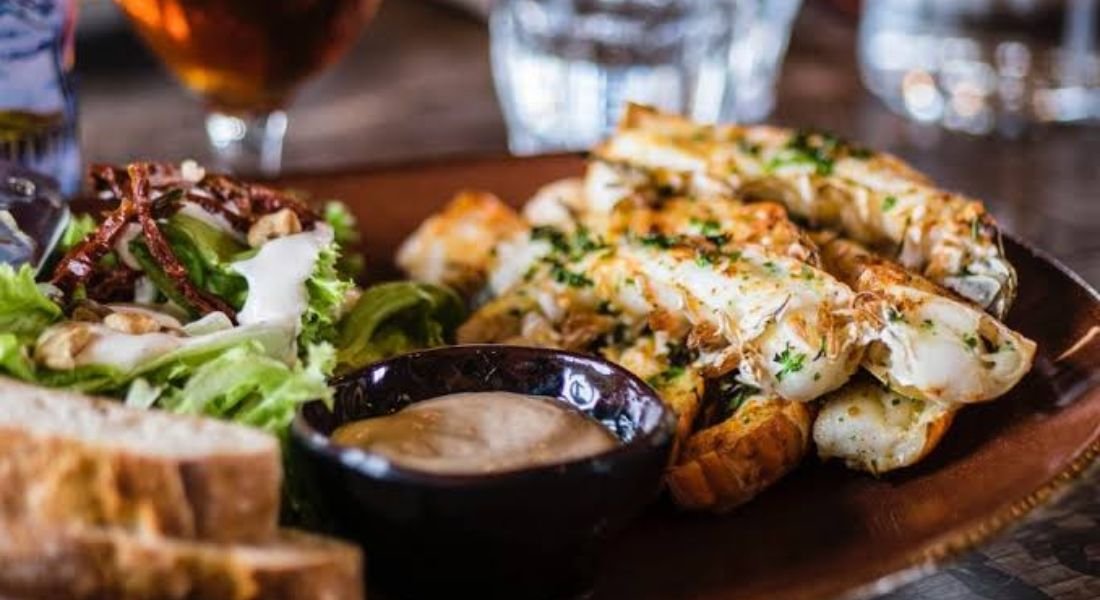
The global market presents endless possibilities for entrepreneurs seeking high-margin food and beverage business ideas. Whether you want to launch a mobile dining brand, a digital kitchen, or a consumer packaged product, choosing the right concept requires balancing your startup capital, risk tolerance, and operational goals. Modern consumers actively look for convenience, functional ingredients, authentic local flavors, and transparent dietary options. Evaluating these shifting consumer habits allows you to select scalable food and beverage business ideas that match your personal strengths and local market demands.
Turning great food and beverage business ideas into sustainable enterprises requires strong operational planning and disciplined financial execution. Startup founders must evaluate unit economics, local regulatory requirements, supply chain networks, and labor needs upfront. From direct-to-consumer digital channels to physical retail distribution, modern culinary brands use hybrid strategies to expand market reach. This comprehensive guide explores actionable food and beverage business ideas, strategic growth blueprints, cost breakdowns, and compliance requirements to help you transform your culinary vision into a commercial success.
| Topic / Niche | Food and Beverage Business Ideas (Culinary Entrepreneurship) |
| Primary Focus | Food and Beverage (F&B) Industry Strategies, Startup Pathways, and Execution Models |
| Key Categories Covered | Mobile Dining (Food Trucks), Cloud/Ghost Kitchens, Specialty Bakeries, Craft Beverages, Coffee Roasteries, Meal Prep Services, CPG (Consumer Packaged Goods), Plant-Based & Upcycled Foods |
| Core Target Audience | Aspiring Entrepreneurs, Culinary Founders, Small Business Owners, and Food Innovators |
| Operational Capital Range | $2,000 (Home-based/Cottage) to $500,000+ (Full Commercial Retail/Manufacturing) |
| Target Prime Cost | $< 60\%$ (Combined Cost of Goods Sold + Direct Labor) |
| Key Regulatory Standards | Local Cottage Food Laws, ServSafe Management, HACCP Compliance, and Health Department Licensing |
| Primary Revenue Models | Direct-to-Consumer (DTC), B2B Catering, Wholesale Retail Distribution, and Subscription Services |
Understanding the Market for Food and Beverage Business Ideas
Evaluating modern food and beverage business ideas requires analyzing how consumer preferences drive industry growth. Today’s consumers demand speed, nutritional value, and specialized choices. This shift allows lean startups to enter markets once dominated by corporate brands. Focusing on targeted niches, flexible operational models, and modern digital ordering systems helps small operators capture market share and quickly cultivate direct customer loyalty.
Selecting top-performing food and beverage business ideas depends on aligning capital resources with realistic growth goals. Operators who favor personal customer interaction often choose specialized brick-and-mortar setups or event Catering. Entrepreneurs seeking rapid scalability frequently adopt digital-first delivery platforms or shelf-stable packaged goods. Studying operational requirements early helps you pick food and beverage business ideas that build sustainable profits over the long term.
Mobile Dining: Launching Food and Beverage Business Ideas on Wheels
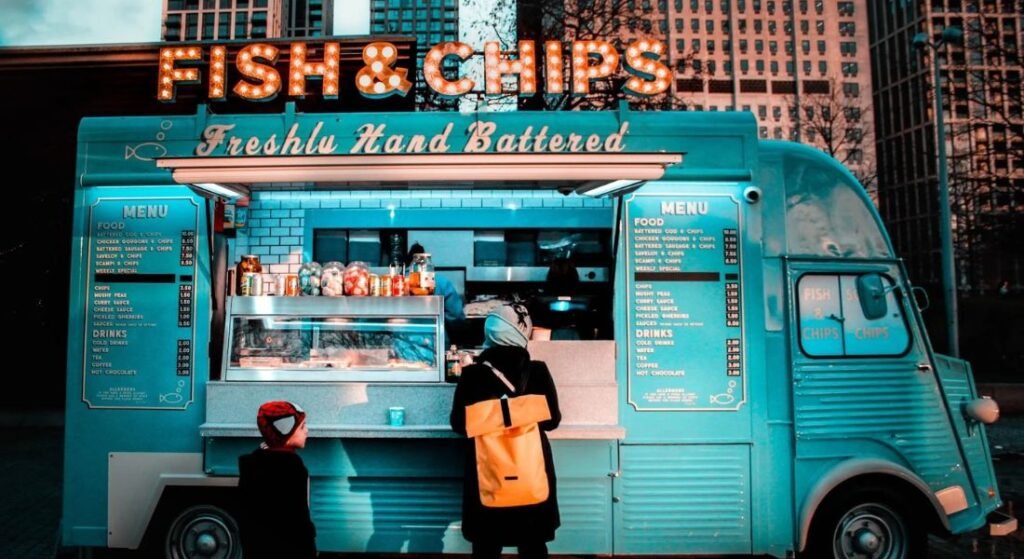
Mobile dining models represent accessible food and beverage business ideas with low overhead costs. Operating a food truck allows founders to test culinary offerings, explore different geographic locations, and build brand equity without committing to an expensive commercial building lease. Serving corporate hubs, weekend events, and high-foot-traffic urban districts lets you maximize daily sales exposure while keeping ongoing operational expenses manageable.
To run a profitable mobile venture, streamline your menu around specific high-margin items. Specialized concepts like artisanal flatbreads, gourmet street tacos, or global street foods keep food prep times low and ingredient inventories efficient. Use social media updates to inform customers about daily location changes, building an active local community around your brand.
Digital-First Dining: Ghost Kitchens and Delivery Concepts
Delivery-focused concepts are among the most fast-growing food and beverage business ideas in urban markets. Operating out of shared commercial kitchens allows cloud kitchens to eliminate expensive dining room rentals and front-of-house payroll. Capital can instead be directed into ingredient sourcing, custom delivery packaging, and targeted local social media ads.
A core advantage of delivery-first food and beverage business ideas is running multiple virtual brands from a single production line. One kitchen team can prepare smash burgers, Korean fried chicken, and healthy vegan bowls using overlapping inventory. Success requires high packaging quality that preserves food temperature during transit, as well as easy direct-ordering tools that turn delivery app users into repeat customers.
Gourmet Specialty Bakeries: High-Margin Niche Baking
Specialty baking offers lucrative food and beverage business ideas focused on specialized dietary needs and premium event markets. Moving away from standard high-volume bakeries lets you target profitable micro-niches, such as certified gluten-free products, artisan sourdoughs, or custom celebration cakes. Unique recipe positioning commands premium prices that offset ingredient expenses and handcrafting labor.
Building a profitable bakery requires strict portion control and standardized scaling processes. Many founders start under local cottage food regulations before expanding into commercial retail spaces. Combining retail sales with wholesale accounts to nearby cafes creates stable revenue during quieter shopping periods.
Craft Beverage Production: Distilleries, Breweries, and Functional Drinks
The drink market provides exceptional possibilities for scalable food and beverage business ideas. Beyond craft beers and micro-distilleries, non-alcoholic drinks—such as adaptogenic sparkling waters, botanical brews, and functional cold brew coffees—are experiencing surging consumer demand. Functional drink options cater to health-conscious buyers looking for low-sugar beverages with natural health benefits.
Launching beverage food and beverage business ideas requires clear distribution planning. Beverage brands can open taprooms or partner with established contract manufacturers to scale up batch runs without purchasing expensive canning lines. Combining online direct-to-consumer sales with retail placements builds strong market presence and protects profit margins.
Specialty Coffee Concepts: Modern Cafes and Micro-Roasteries
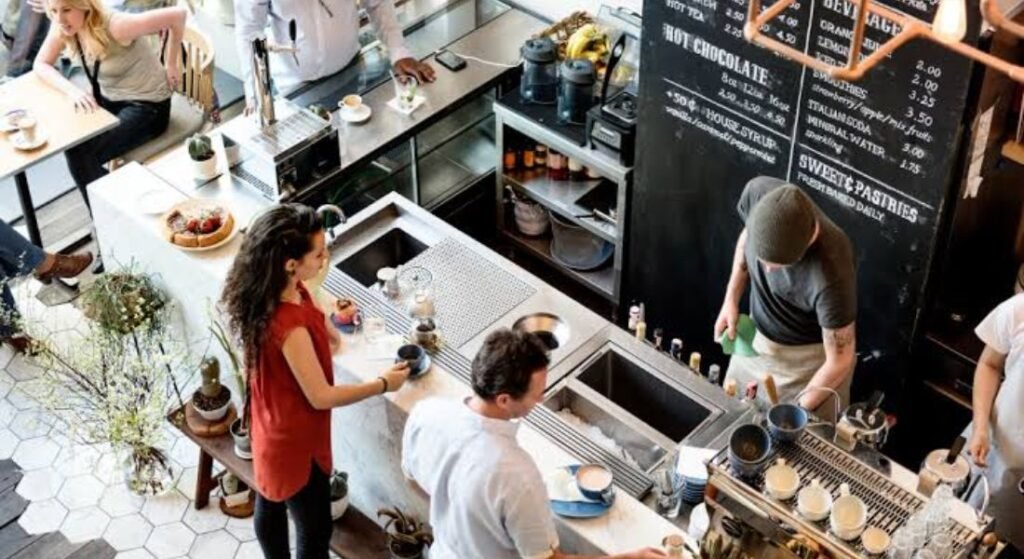
Coffee concepts remain reliable food and beverage business ideas built around daily consumer habits. Contemporary coffee brands go beyond basic espresso service by emphasizing bean origin, custom roasting profiles, and fast order pick-up services. Combining specialized beverage menus with sleek store design helps attract steady foot traffic throughout the day.
Roasting coffee beans in-house lowers ingredient costs while creating secondary sales streams, such as selling retail coffee bags or supplying local offices. Offering subscription delivery options and order-ahead apps helps build recurring sales and increases long-term customer value.
Healthy Meal Prep Services: Recurring Revenue Models
Meal prep services represent highly organized food and beverage business ideas that meet consumer demand for health and convenience. Delivering portion-controlled, pre-cooked meals tailored to specific dietary plans provides customers with hassle-free nutrition. Operating on a weekly subscription model gives owners predictable recurring income and clear inventory visibility.
Controlling food waste is critical to profitability in meal prep. Because meals are ordered in advance, kitchen teams buy precise ingredient quantities in bulk. Utilizing scheduled batch cooking, organized delivery routes, and partnerships with local fitness centers helps attract loyal subscribers efficiently.
Consumer Packaged Goods (CPG): Shelf-Stable Product Innovations
Packaged goods provide scalable opportunities among food and beverage business ideas. Hot sauces, spice blends, marinades, upcycled snacks, and artisan condiments convert recipes into retail-ready goods. Transitioning to packaged goods moves your business away from hourly labor models toward automated production lines and wider retail placement.
Scaling packaged food and beverage business ideas requires strict compliance with food regulations, including nutritional testing, standardized barcoding, and shelf-life safety checks. Contracting production out to co-packers lets you manufacture larger inventory runs without heavy capital investments in equipment, allowing you to focus on securing retail shelf placements.
Plant-Based and Vegan Products: Serving Conscious Buyers
Plant-based concepts continue to represent high-growth food and beverage business ideas. Modern consumers look for clean-label foods made from whole vegetables, grains, and cultured botanicals rather than heavily processed meat imitations. Launching a dedicated plant-based line positions your brand to serve health-conscious and eco-minded shoppers.
Prioritizing flavor, authentic texture, and clean ingredient panels is essential for competitive plant-based food and beverage business ideas. Developing nutrient-dense offerings—such as cultured cashew cheeses or oat-based desserts—builds consumer trust and separates your product line from mass-market alternatives.
Sustainable and Zero-Waste Concepts: Upcycling Food Assets
Upcycled products offer environmentally responsible food and beverage business ideas that appeal to eco-conscious consumers. Transforming surplus ingredients or agricultural byproducts into commercial items—such as turning fruit pulp into fruit snacks or spent brewing grains into flours—creates sustainable profit models while reducing landfill waste.
Sustainable food and beverage business ideas benefit from reduced raw ingredient costs by sourcing underutilized food streams. Sharing clear environmental impact metrics on product packaging builds authentic connections with consumers and helps earn support from mission-driven investors.
Catering and Event Services: High-Margin B2B Operations
Event catering represents versatile food and beverage business ideas that avoid the overhead costs of fixed retail locations. Caterers supply weddings, business lunches, and community events with pre-ordered food menus. Working with advance client deposits and verified guest numbers minimizes financial risk and optimizes kitchen purchasing efficiency.
Selecting a defined operational niche helps maximize catering earnings. Menu items should be designed to transport easily without loss of quality. Building corporate catering partnerships delivers reliable weekday revenue, while specialized weekend social events generate higher profit margins.
Functional Nutrition: Adaptogenic Foods and Wellness Drinks
Functional food products are lucrative food and beverage business ideas catering to the growing wellness market. Consumers seek out items enriched with adaptogens, prebiotics, and natural plant extracts designed to support focus, energy, or digestion. Launching functional food products allows you to serve wellness-oriented shoppers willing to pay premium prices.
Focusing on bio-available, high-quality ingredients backed by clear packaging statements is key when building functional food and beverage business ideas. Convenient formats—like ready-to-drink functional teas or botanical snack bites—fit easily into modern lifestyles and keep health-minded consumers returning.
Financial Planning for Food and Beverage Business Ideas
Evaluating startup expenses and cash management strategies is necessary when reviewing food and beverage business ideas. Capital requirements depend heavily on the scale and operational model you choose. Low-overhead businesses like home catering can start under $10,000, while mobile food units or delivery kitchens typically require $25,000 to $100,000. Brick-and-mortar storefronts or full manufacturing operations can require investments of $200,000 to $500,000 or more.
Managing your Prime Costs (the total sum of ingredient costs and direct labor) is essential across all food and beverage business ideas. Well-managed operations aim to keep Prime Costs below 60% of total revenue. Monitoring supplier pricing, tracking kitchen waste, and optimizing labor schedules protects gross margins and maintains business liquidity.
Licensing and Health Safety Compliance
Executing any food and beverage business ideas requires strict compliance with food safety regulations and local health licensing laws. Securing required permits before starting sales protects public health and safeguards your venture against regulatory fines or forced closures.
- Business Licensing and Entity Setup: Form an LLC or corporate structure and secure tax identification filings.
- Health Inspections: Pass local health department inspections to gain food handling authorization.
- Food Handler Certifications: Mandate certified food manager credentials for lead kitchen staff.
- HACCP Management Plans: Establish Hazard Analysis Critical Control Point systems to monitor temperature safety and raw handling.
- Packaging Compliance: Ensure packaged product labels clearly display ingredients, net weight, major allergens, and accurate nutrition panels.
Embedding strict food safety guidelines into daily operations protects customer well-being and protects brand reputation. Regular staff training and organized sanitation logs support reliable business growth across all commercial food and beverage business ideas.
Effective Marketing for Food and Beverage Business Ideas

Even the best food and beverage business ideas require active marketing to generate sales and attract repeat customers. Modern consumers find brands across social channels, search engines, and delivery platforms. Integrating online ordering tools with community engagement drives customer acquisition and increases retention.
Optimizing your Google Business profile and online ordering platforms captures high-intent local customer searches. Physical stores benefit from pop-up events and local neighborhood partnerships. Packaged goods brands can build direct sales momentum using targeted social media campaigns, automated email offers, and subscription incentives.
Scaling Food and Beverage Business Ideas into Commercial Brands
Expanding successful food and beverage business ideas requires moving from hands-on daily preparation to organized operational workflows. Scaling up requires replacing custom batch prep with standardized commercial equipment, co-packer partnerships, and professional distribution services. Delegating daily execution tasks allows owners to focus on strategic sales expansion and new market distribution.
Maintaining consistent quality standards is the central challenge when growing food and beverage business ideas. Documenting standard operating procedures for every recipe and packaging protocol ensures uniform product execution. Using modern digital inventory tools helps track supplier costs, manage stock levels, and support sustainable business expansion.
Conclusion
The market offers dynamic opportunities for entrepreneurs who pair culinary creativity with structured execution. Whether you launch a mobile food truck, a delivery kitchen, a specialty bakery, or a packaged retail line, success comes down to choosing the right food and beverage business ideas, controlling operating costs, and delivering consistent product quality. By analyzing market demand and applying sound business fundamentals, you can build a profitable enterprise that grows over time.
Frequently Asked Questions (FAQs)
What are the most profitable food and beverage business ideas for beginners?
Delivery kitchens, mobile food trucks, and weekly meal prep services are among the most accessible food and beverage business ideas for new entrepreneurs. Their lower startup overhead and smaller operational teams make it easier to manage costs and reach profitability faster than full-service restaurants.
What initial capital is needed to launch food and beverage business ideas?
Startup costs vary depending on the business model. Home-based catering operations can start for $2,000 to $10,000. Food trucks and cloud kitchen concepts usually require $25,000 to $100,000. Full-scale cafes or manufacturing operations often require investments ranging from $100,000 to over $350,000.
How can I legally start food and beverage business ideas at home?
You can start selling home-prepared items legally under local cottage food regulations. These rules allow individuals to produce non-perishable products like baked items, dry spices, and preserves in home kitchens. Scaling beyond these limits or selling perishable goods requires operating out of a certified commercial kitchen and obtaining local health permits.
What consumer trends are shaping modern food and beverage business ideas?
Key growth trends include functional wellness drinks, clean-label plant-based foods, eco-friendly upcycled goods, and convenient direct-to-consumer meal delivery models. Modern buyers prioritize transparent ingredient sourcing, health benefits, and fast digital ordering options.
How do founders set retail prices for food and beverage business ideas?
Price your menu items or products by calculating total ingredient and packaging costs (Cost of Goods Sold). In foodservice, multiply raw ingredient costs by 3 to 3.5 to achieve a target food cost percentage around 28% to 32%. For packaged retail goods, price your wholesale tier to leave a 40% to 50% profit margin above costs, enabling retail partners to mark up the product for end consumers.
Why are cloud kitchen food and beverage business ideas gaining popularity?
Cloud kitchens eliminate expensive customer dining areas, host teams, and front-of-house operational expenses. This streamlined approach lets operators run multiple virtual delivery brands out of one kitchen line, lowering operational risk and maximizing profit potential.
